

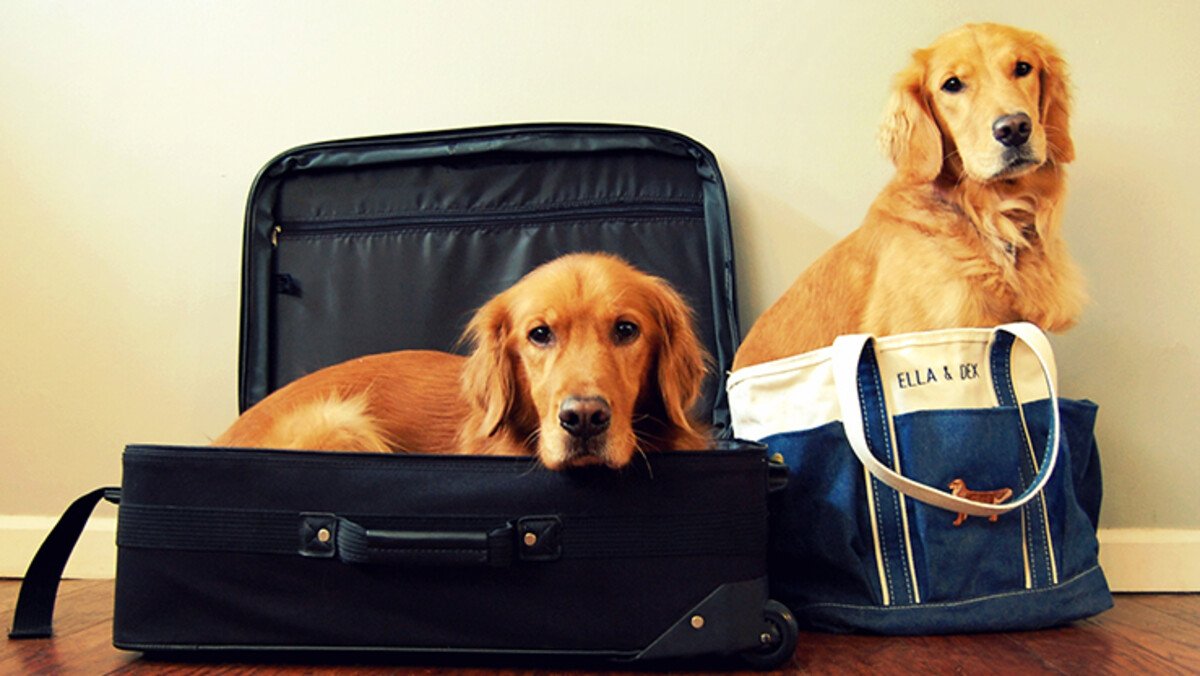
Pet Travel Economy Soars: Airlines Adapt to Pawprint Economy
The pet travel economy is rapidly ascending as airlines and travel services worldwide expand their offerings to cater to furry passengers. This shift not only increases the number of travelers flying with pets but also compels the industry to reconsider logistics, economics, and accommodations for these cherished companions. What was once an afterthought in travel planning has now become a multi-billion dollar market segment driving innovation across the aviation industry.
Amadeus’ Travel Trends 2026 report highlights this phenomenon, designating it as the ‘Pawprint Economy,’ where a global surge in pet ownership drives the call for more inclusive services. The report indicates that pet ownership increased by 32% globally between 2020 and 2025, with millennials and Gen Z travelers leading the charge in demanding pet-inclusive travel options.
The Rise of the Pawprint Economy
The transition from pets being considered ‘cargo’ to full-fledged family members traveling in style is well underway. Over twenty-five percent of pet owners traveled with their companions for the first time in 2025, underscoring a pivotal shift towards ensuring pet comfort and safety. This demographic represents a new class of travelers willing to pay premium prices for enhanced pet travel experiences.
Industry analysts report that pet-friendly flights have shown 40% higher customer satisfaction rates compared to traditional pet cargo services. The emotional bond between travelers and their pets has created a market where convenience and comfort often outweigh cost considerations, with pet owners spending an average of 60% more on travel when bringing their animals along.
Specialized Operators and Airline Strategies
The emergence of specialized operators like Bark Air and SkyePets, companies leading the charge in the Pawprint Economy, illustrates the industry’s responsiveness to this growing demand. These boutique airlines are redefining what it means to travel with pets by prioritizing animal welfare and owner peace of mind.
U.S.-based Bark Air offers pet-friendly flights to European destinations including Paris, Lisbon, and Milan, featuring small-jet cabins designed specifically for canine comfort. Their aircraft include specialized ventilation systems, non-slip flooring, and even onboard pet amenities such as calming music and aromatherapy. Meanwhile, SkyePets, based in Australia, is planning transpacific flights where pets can join their owners in luxury, with the cost placed between USD $23,990 and USD $29,990 per journey.
While major airlines have yet to fully embrace pet-centric services, many, such as Lufthansa and Air France–KLM, are directing significant resources towards optimizing animal handling in their cargo sections, adhering to the IATA Live Animal Regulations. These standards cover everything from temperature control to containment and handling, with some airlines investing in climate-controlled pet lounges and dedicated veterinary staff at major hubs.
Navigating Regulations and Regional Policies
Navigating the regulatory landscape remains one of the most complex aspects of traveling with pets. In Canada, Air Canada and WestJet allow small pets in cabins, with larger animals reserved for the cargo hold, though recent policy discussions suggest potential expansions to cabin access for medium-sized dogs.
U.S. policies typically require pets to fly in the hold, though some airlines permit them in cabins under strict size and weight restrictions. In Europe, strict guidelines require pets to fit under seats, while the UK maintains some of the most restrictive policies, insisting on cargo travel for most animals from non-EU countries due to quarantine regulations.
Meanwhile, Italy is pioneering progressive policies allowing medium and large dogs in cabins if secured properly. ITA Airways and Neos Air are both involved in these trials, which could set precedents for European aviation if successful.
Economic Impact and Future Outlook
In 2025, the pet travel economy contributed USD $2.51 billion to pet-friendly travel services, with expectations to exceed USD $5.7 billion by 2035. This growth trajectory reflects not just increased pet ownership, but also changing consumer priorities and spending patterns. Budget airlines like Frontier and Southwest have strategically tapped into this market by offering flat fees for small pet flights, making pet travel more accessible to middle-income travelers.
Concurrently, Chinese railways and European ferries are introducing similar innovations to ensure pet safety and comfort across various transportation modes. High-speed rail operators in Japan and Germany are testing pet-specific carriages, while Mediterranean ferry companies report 25% increases in bookings after introducing pet-friendly cabin options.
As the pet travel economy continues to expand, the travel industry is likely to increasingly embrace comprehensive pet-friendly services. Such initiatives are integrating pets into the fabric of travel, confirming the economy’s role as a driving force behind industry evolution and offering enhanced travel options for pet owners worldwide. The next decade promises even more innovative solutions as airlines, hotels, and transportation companies recognize that the pawprint economy represents not just a trend, but a fundamental shift in how families travel.
Sources: Amadeus Travel Trends 2026 Report, International Air Transport Association (IATA), industry operator websites and press releases.

