

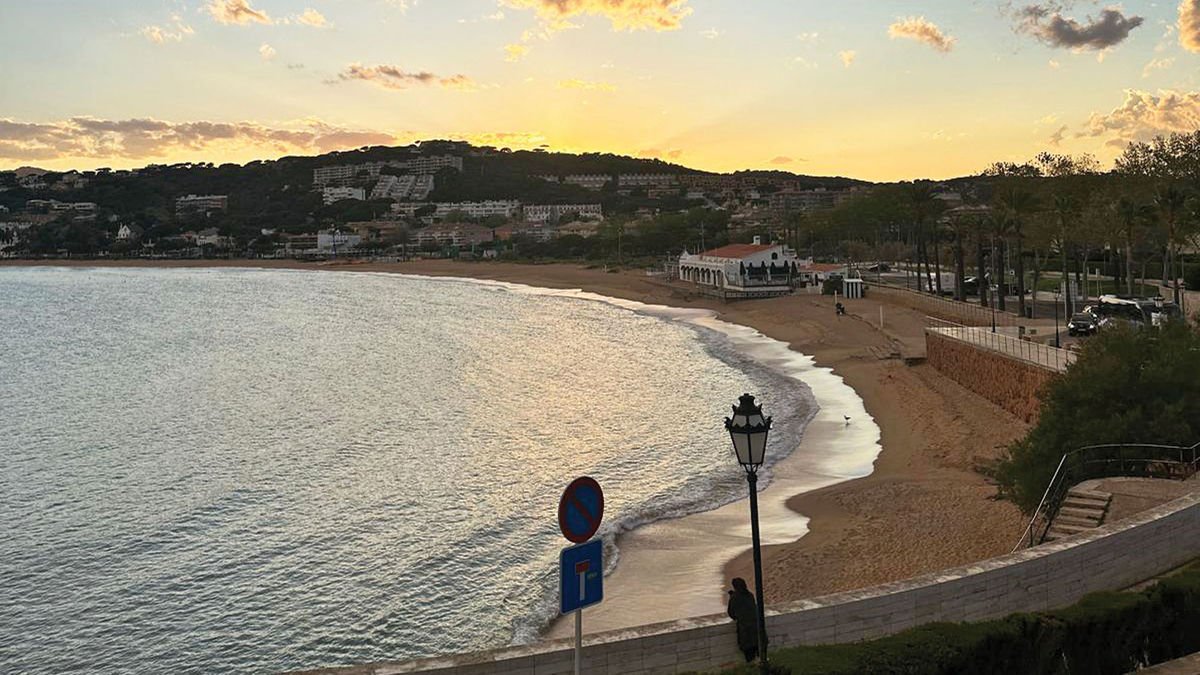
The ongoing dialogue around tourism has led many travelers to reconsider their plans, opting to avoid well-trodden destinations or to visit during less busy periods. Tour operators and travel advisors are adapting their itineraries to emphasize responsible tourism practices. This shift comes after overtourism concerns escalated dramatically last summer, particularly when protesters resorted to novelty tactics to make their point.
Jungho Suh, a teaching assistant professor at the George Washington University School of Business, states that finding a balance between attracting tourists and addressing local community needs presents a significant challenge for popular destinations. Many tour operators are taking the initiative to promote lesser-known areas and off-peak travel in an effort to mitigate these issues.
G Adventures aims to divert tourists from the beaten path, developing alternative experiences. Yves Marceau, the company’s product vice president, mentions that they limit time spent in crowded cities like Barcelona and Rome, collaborating with local organizations to create mutually beneficial experiences. One such partnership includes Migrantour Rome, where migrants lead city tours, offering unique insights often missed by traditional sightseeing.
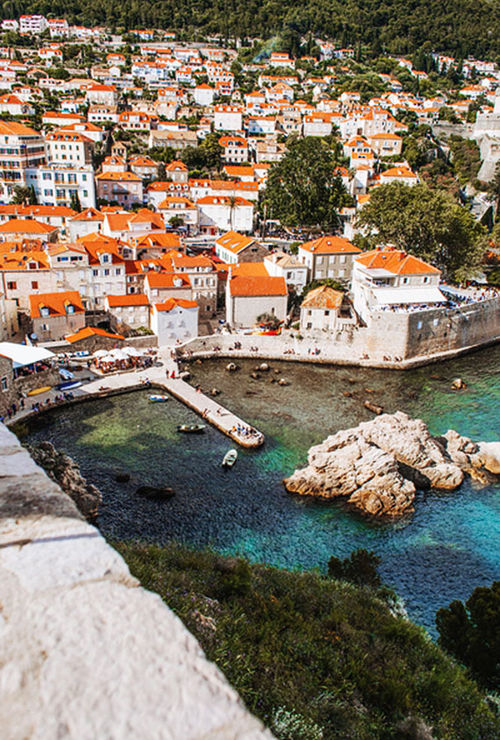
Intrepid Travel has adjusted itineraries in Europe due to overtourism concerns, such as visiting Dubrovnik’s city walls later in the day.
Intrepid Travel has responded to the surging concerns regarding overcrowding by altering its itineraries. Leigh Barnes, the company’s president for the Americas, explains that they now schedule visits to popular sites like the Dubrovnik city walls during quieter evening hours and have replaced crowded destinations, such as Positano, with Minori. This plan enhances visitors’ experiences while alleviating pressure on local resources.
Adapting to Community Insights
Barnes highlights the urgent challenges faced in cities like Venice and Barcelona, where overtourism has taken a visible toll. He cites one of their tour guides comparing Venice to a fragile crystal, emphasizing the need for conscious travel planning. Intrepid Travel empowers its leaders to tailor itineraries that favor lesser-known neighborhoods and promote offseason excursions.
This year marked a critical juncture for the travel industry, with over 60% of American travelers expressing a desire for alternative destinations, often referred to as destination dupes. Many now aim to experience authentic culture rather than simply checking off iconic sites from their lists.
Shift in Travel Preferences
Alex Bentley, product lead at Audley Travel, notes a significant increase in clients seeking to dodge peak travel times. Travelers are opting for less crowded locales, such as choosing Alentejo over the Douro Valley in Portugal. Bentley explains that the company’s approach includes personalized consultations to recommend unique, lesser-known spots that promise memorable experiences.
Recommendations often include swapping vacation highlights during the summer for destinations like Syros or Tinos instead of the heavily trafficked Santorini, or exploring popular sights during the offseason.

Fulvio De Bonis
Fulvio De Bonis, co-founder of Imago Artis Travel in Italy, advocates for combining popular attractions with hidden gems. Their offerings may include intimate experiences, such as visiting private homes following a Vatican tour, or collaborating with local vendors like truffle hunters or art restorers who typically remain off the tourist radar.
Understanding Local Sentiments
Miriam Martinez, a travel advisor based in Portugal, emphasizes that many locals express frustration not toward tourists but rather toward government policies regarding tourism management. “It’s not that we’re mad at the tourists; we’re frustrated with how the government addresses tourism alongside other pressing issues,” she explains. Rising tourism levels correlate with increased living costs, requiring a balanced responsibility from all stakeholders.
For Martinez and her colleagues who predominantly cater to American clients, achieving a harmony between popular destinations like Barcelona and less-crowded sites along Costa Brava is essential. “It’s about balancing things out,” she asserts.

Torry K. covers tourism trends, policy shifts, and airlift strategy for Travel News Today, bringing a business lens to the stories that matter to Canadian travel professionals. With expertise in cross-border marketing and brand positioning, he writes with a focus on how destinations can grow visibility and demand in an increasingly competitive landscape. From Sunwing partnerships to global route expansions, Torry K. connects the dots between news and market opportunity.
