

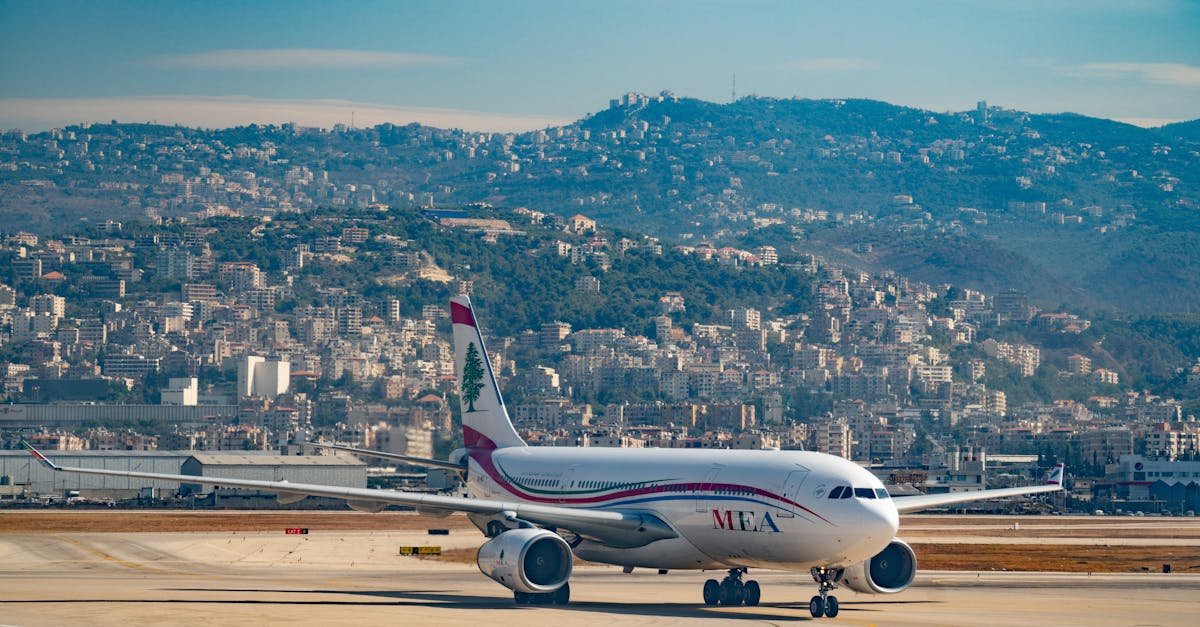
In a dramatic escalation of tensions across the Middle East, air travel has been severely disrupted following significant military strikes involving the US, Israel, and Iran. These operations have triggered a cascade of Middle East flight cancellations, severely affecting routes through Iranian airspace and creating extensive travel chaos throughout the region.
Immediate Travel Disruptions Across Major Hubs
The impact on Middle East flight cancellations is immediate and far-reaching, as travelers face unprecedented delays and route changes. Key air travel hubs such as Dubai International Airport, Hamad International Airport in Doha, and King Khalid International Airport in Riyadh have become epicenters of travel disruption. Terminal departure boards overflow with canceled and delayed flights, while passenger service desks struggle to accommodate thousands of stranded travelers attempting to rearrange their itineraries.
Airport authorities are implementing emergency protocols, including providing temporary accommodations for passengers affected by overnight cancellations. Dubai International Airport has opened additional rest areas and extended food service hours to support displaced travelers, while Qatar Airways has deployed extra customer service staff to manage the unprecedented volume of rebooking requests.
Major Airlines Suspend Regional Operations
International carriers including KLM Royal Dutch Airlines, Air France, Lufthansa Group, United Airlines, and Air Canada have suspended flights to crucial regional destinations. The suspensions primarily affect routes to Tel Aviv’s Ben Gurion Airport, Dubai International, and Doha’s Hamad International Airport, with airlines citing elevated security risks and soaring insurance premiums as primary factors.
Regional carriers face the most severe operational challenges, with Middle East flight cancellations creating substantial revenue losses. Emirates has reported booking declines exceeding 30% for the upcoming holiday season, while Etihad Airways has been forced to reduce frequencies on key European and North American routes. Industry analysts estimate collective losses for Middle Eastern carriers could reach $2.5 billion if disruptions persist through the peak winter travel season.
Airspace Closures Create Operational Complexity
Several countries have implemented temporary airspace restrictions, significantly complicating flight routing throughout the region. Iraq and Jordan have announced complete airspace closures for civilian aircraft, while the United Arab Emirates has implemented selective restrictions affecting northern approach routes.
Iran’s airspace, typically a crucial corridor for Europe-Asia flights, remains largely inaccessible to international carriers. This has forced airlines to implement costly detours over Turkey and southern routing through Saudi Arabian airspace, adding 2-4 hours to flight times and increasing fuel costs by up to 40% on affected routes.
The ripple effects extend beyond the immediate region, with flights from European cities to Southeast Asia and Australia experiencing delays due to necessary route adjustments. Singapore Airlines and Thai Airways have modified their European routes to avoid restricted airspace, resulting in extended journey times for passengers.
Passenger Impact and Industry Response
Airlines have rapidly implemented comprehensive advisory systems, warning passengers about potential ad-hoc Middle East flight cancellations and urging flexibility in travel plans. Air Canada has extended its travel advisory affecting Dubai and Tel Aviv routes through March 31st, while European carriers have implemented blanket warnings for all Middle Eastern destinations.
Current data indicates over 200 daily flights connecting to Dubai International Airport have been canceled or rescheduled, representing approximately 15% of the airport’s typical daily operations. Tel Aviv’s Ben Gurion Airport reports nearly 25% of international flights affected, with particularly severe disruptions on European routes.
Airlines are offering enhanced flexibility policies, including waived change fees, extended rebooking windows, and full refunds for affected passengers. Many carriers have also implemented proactive rebooking systems, automatically transferring passengers to alternative flights before cancellations are officially announced.
Long-term Industry Implications
As geopolitical tensions continue, aviation industry experts predict sustained pressure on Middle Eastern route networks. The ongoing situation highlights the vulnerability of airlines dependent on regional connectivity, with Middle East flight cancellations potentially reshaping long-term route planning strategies.
Industry stakeholders are developing enhanced contingency frameworks to better manage future geopolitical disruptions, including diversified routing options and improved passenger communication systems. The current crisis underscores the critical need for adaptive operational strategies in an increasingly volatile regional environment, with recovery timelines dependent on diplomatic resolution of underlying tensions.
Sources: Airline industry reports, airport operational data, International Air Transport Association (IATA), regional aviation authorities

