

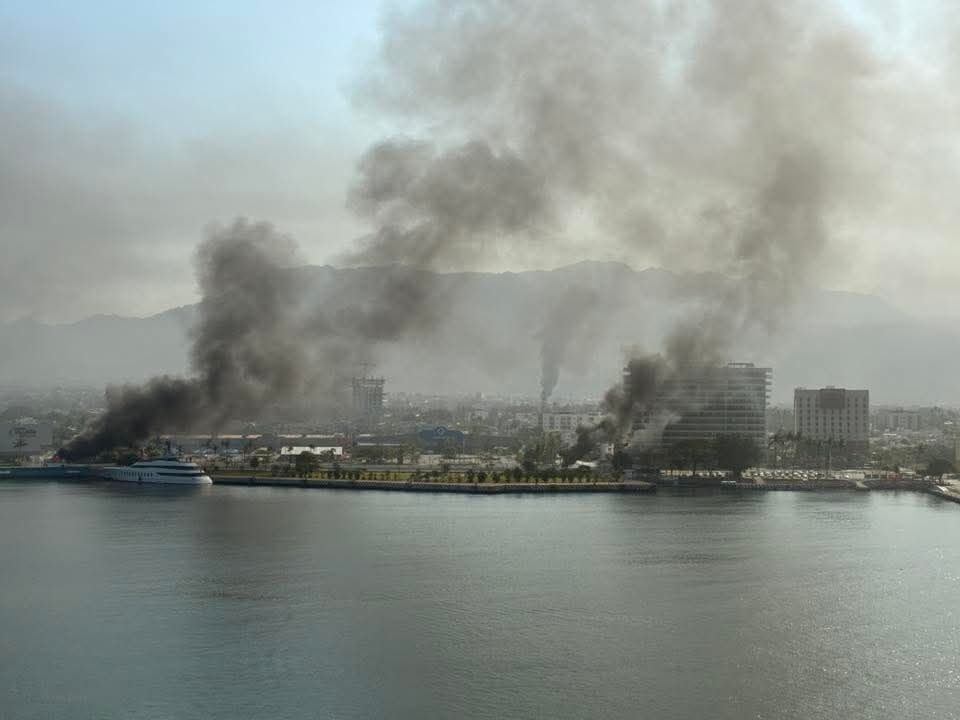
Mexico Travel Cancellations Surge Amid Puerto Vallarta Violence
Recent outbreaks of violence in Mexico, impacting prominent tourist areas such as Puerto Vallarta, have led to a significant increase in Mexico travel cancellations. This alarming situation extends as far as Cancun, over 2,000 kilometres away, raising concerns for both travelers and the tourism industry worldwide. Travel advisors and airlines are now dealing with the ripple effects, as anxiety mounts among potential visitors to one of North America’s most popular vacation destinations.
Escalating Violence Triggers Widespread Disruptions
The current wave of Mexico travel cancellations stems from rising violence in key regions, including Jalisco, Michoacán, and Guanajuato. These disturbances have prompted international advisories, with Global Affairs Canada revising its cancellation alerts for areas like Cancun and stressing heightened risks across several Mexican states. Such developments have posed substantial challenges for travelers planning visits, as well as for the broader travel industry that relies heavily on Mexican tourism revenue.
The tourism sector, which accounts for approximately 8.7% of Mexico’s GDP, is experiencing unprecedented pressure as major tour operators reassess their exposure to affected regions. Industry analysts estimate that the violence-related disruptions could impact up to 15% of winter bookings, traditionally the peak season for Mexican beach destinations.
“Working to support clients amid these crises has become increasingly difficult,” shared Mike Snider, President of Northstar Travel, reflecting the multifaceted challenges faced by travel agencies. Previously dealing with disruptions in Cuba, agencies are now burdened with additional pressures arising from issues in Mexico. The compounding effect of multiple destination challenges has stretched agency resources thin, with some reporting 300% increases in customer service inquiries.
Impact on Quintana Roo and Economic Implications
Despite Quintana Roo and the Yucatan Peninsula largely being unaffected by violence directly, the surge in Mexico travel cancellations has prompted preventive cancellations for trips to destinations like Cancun and Playa del Carmen. Angela Landry of Trevello described scenes of panic at the Puerto Vallarta airport, where travelers sought refuge in a WestJet office, illustrating the prevalent atmosphere of fear and uncertainty.
The economic ramifications extend beyond immediate cancellations. Hotel occupancy rates in Puerto Vallarta have dropped by 40% week-over-week, while resort operators in unaffected areas like the Riviera Maya report booking declines of 20-25%. This ripple effect demonstrates how localized violence can impact Mexico’s entire tourism ecosystem, affecting thousands of hospitality workers and service providers.
Airline Response and Flexible Policies
In response, Air Canada and WestJet have proactively adapted by implementing flexible rebooking policies for flights to Puerto Vallarta and Guadalajara, prioritizing traveler safety. This strategic maneuver allows for informed decision-making without incurring financial penalties, thereby mitigating some of the anxiety these disruptions induce. Additional carriers, including American Airlines and Delta, have followed suit with waived change fees for affected routes.
Travel advisor Jennifer McPherson of TurnKey Travel highlighted the emotional impact, emphasizing the critical role of professional guidance during uncertain times. “The mention of ‘Mexico’ often prompts panic for most audiences,” she explained, “without fully grasping the geographic distances involved,” underlining the need for clear communication during these disruptions. Many travelers fail to understand that Mexico spans nearly 2 million square kilometres, making blanket safety assumptions problematic.
Recovery Strategies and Future Outlook
Tourism officials are working closely with security forces to restore confidence in affected regions. The Mexican Tourism Board has launched enhanced communication campaigns emphasizing the safety protocols in place at major resort areas and the geographical separation between conflict zones and popular tourist destinations.
Travel insurance companies report a 60% spike in policy purchases for Mexican destinations, indicating that while some travelers are proceeding with plans, they’re taking additional precautions. Industry experts suggest this trend reflects a maturing approach to travel risk management among consumers.
In conclusion, as the situation persists, the travel industry remains committed to securing a balance between traveler safety and satisfaction amid ongoing Mexico travel cancellations. Both travelers and industry professionals must navigate these challenges with flexibility and strategic planning, focusing on long-term safety considerations and industry resilience. The coming weeks will be crucial in determining whether enhanced security measures can restore confidence in Mexico’s vital tourism sector.

