


Traveling to less-explored destinations not only broadens one’s horizons but also promotes sustainable tourism. By redistributing tourist traffic, these hidden gems enhance visitor experiences by steering clear of overcrowded landmarks. For those seeking authentic encounters, France is rich with stunning yet lesser-visited locales. For instance, the Drôme region, noted for its lavender fields and truffle culture, offers experiences akin to those found in popular Provence without the hefty crowds. Similarly, Charleville-Mézières boasts Place Ducale, an impressive replica of Paris’s Place des Vosges, crafted by the same architectural lineage.
Travelers are encouraged to explore Auxerre, known for its exquisite Second Empire architectural style and just a short drive from Beaune. Other notable mentions include Nancy, renowned as the French capital of Art Nouveau, and Metz, home to the sophisticated Maison Heler, designed by Philippe Starck. Promoting tourism in these less-traveled regions not only stimulates local economies but also fosters a fuller understanding of France’s diverse culture and heritage.
French regional parliamentarians express a keen interest in welcoming more tourists, indicating a potential for growth in these areas. Especially for visitors seeking a more comprehensive view of France after their travels through the country’s more famous attractions, these hidden locales present a more nuanced exploration.
New Market Segments for Tourism in France
With the remarkable influx of 100 million visitors driven by the 2024 Olympic Games, France has an opportunity to target emerging customer segments. The long-stay winter market is especially promising given the steady increase in the population of retirees. Potential growth also lies in niche tourism, including events like soccer and rugby matches that appeal to sports enthusiasts.
Another area ripe for exploration is ‘spirit tourism,’ which encompasses the discovery of local distilleries or the Cognac region during the winter months. This season provides an ideal backdrop for immersive experiences. Popular rum tours in Martinique and Guadeloupe serve as successful case studies that could inspire similar tourism initiatives in mainland France.
Strategies for Travel Agents to Enhance Sales
Travel agents play a crucial role in promoting travel to France. First, they should highlight essential aspects of France’s allure—its rich culture, gastronomy, heritage, and history—especially for first-time visitors. For seasoned travelers, introducing lesser-known destinations and unique experiences within France remains vital. Even off the beaten path, visitors can discover the core themes that define French tourism.
Targeting the Canadian Market
When approaching English-speaking Canadian clients, travel advisors should underscore familiar destinations like Bordeaux, Burgundy, and Nice. The latter, historically popular among British visitors since the 18th century, continues to attract long-stay tourists. Notably, French locations have garnered attention from eminent publications; for example, Marseille was listed as one of the best places to visit by Time magazine in 2022, while Lonely Planet spotlighted Toulouse in 2025.
Despite Canada’s vast size, France isn’t as distant as it may appear. Vancouver, for instance, is just a 9.5-hour flight from Paris. Additionally, Canadians outside Quebec often seek extravagant experiences—travel advisors should capitalize on this trend by promoting bespoke offerings, such as guided tours of the Eiffel Tower, complete with access to private areas and champagne at the summit.
For further insights into planning your next trip to France, resources are readily available at France.fr.
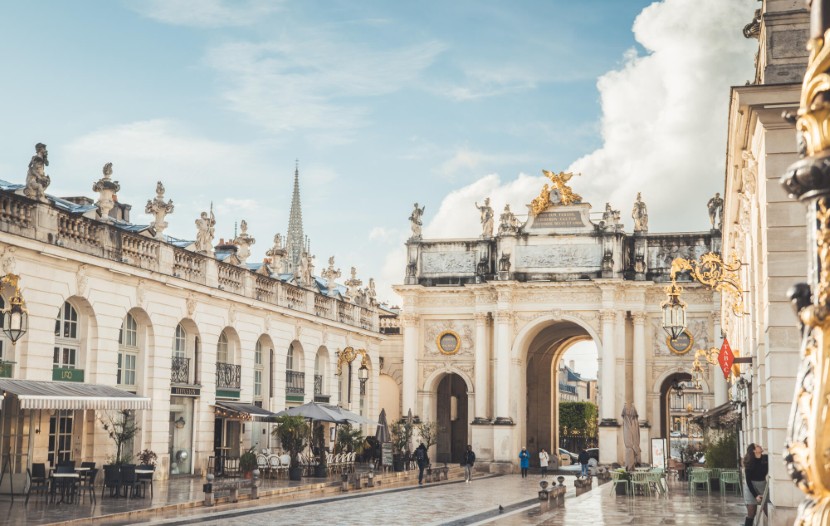
Place Stanislas – Nancy _©ART GE – Pierre Defontaine

