

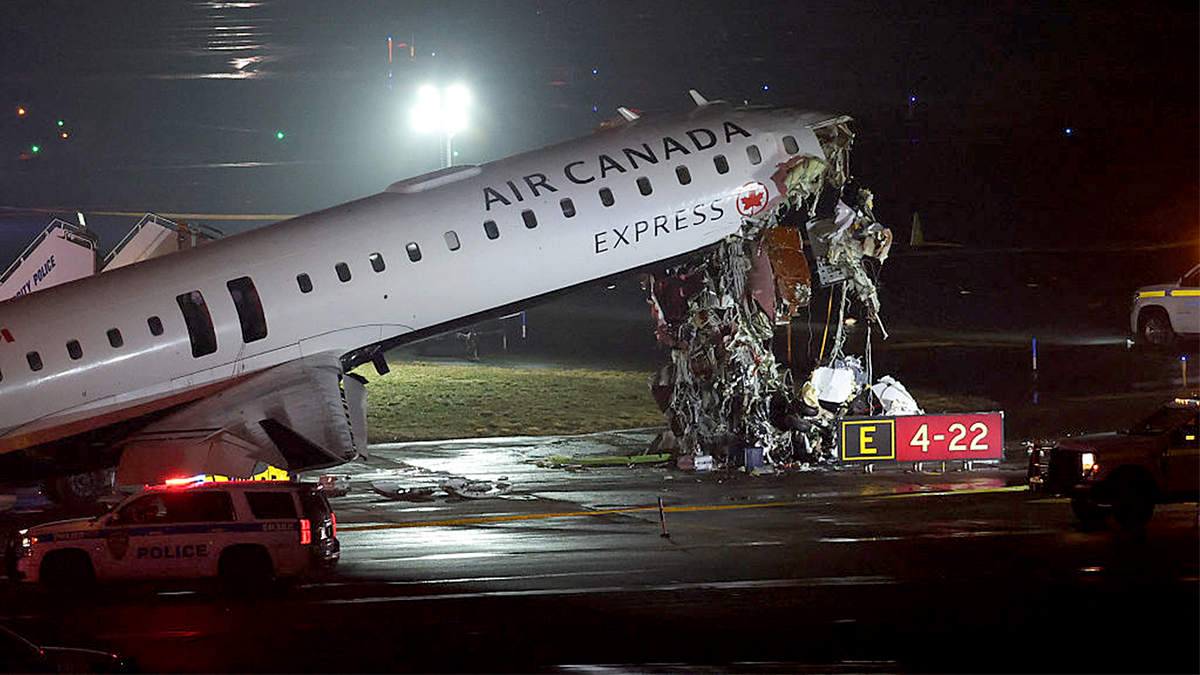
New York’s LaGuardia Airport continues to operate under severe restrictions as one of its primary runways remains closed following a devastating collision between an Air Canada Express flight and a Port Authority fire truck late Sunday evening. The LaGuardia airport runway closure has created a ripple effect throughout the aviation industry, with passengers facing unprecedented delays and cancellations at one of America’s busiest transportation hubs.
Tragic Collision Claims Lives, Injures Dozens
The fatal incident occurred at approximately 11:45 p.m. on Runway 4/22, resulting in the deaths of two crew members and injuring 40 others. The collision between the passenger aircraft and emergency vehicle has raised serious questions about ground coordination protocols at major airports. While airport operations resumed at reduced capacity by 2 p.m. Monday, the Federal Aviation Administration (FAA) has extended the runway closure through at least Friday, March 28, significantly hampering LaGuardia’s operational efficiency.
The crash has particularly impacted the aviation community, as it highlights the critical importance of ground safety protocols during nighttime operations when visibility and staffing levels may be reduced. Industry experts note that such incidents are extremely rare, making this collision all the more concerning for aviation safety officials.
Operational Chaos: Delays Stretch Seven Hours
The LaGuardia airport runway closure has triggered the FAA’s Ground Delay Program, creating a cascading effect of flight disruptions. By Tuesday morning, nearly 90 flights had been canceled, with average arrival delays stretching up to seven hours. The airport, which typically handles over 30 million passengers annually, is now operating at severely reduced capacity with only one runway available for commercial operations.
Air traffic controllers are working around the clock to manage the complex logistics of rerouting flights and coordinating arrivals and departures through the single operational runway. The situation has been particularly challenging during peak travel hours, when the airport would normally utilize multiple runways to handle the high volume of traffic.
NTSB Launches Comprehensive Investigation
The National Transportation Safety Board (NTSB) has deployed a full investigative team to examine the circumstances surrounding the collision. Initial findings from air traffic control recordings reveal that a controller initially cleared the fire truck onto the runway but quickly attempted to withdraw the permission. NTSB Chair Jennifer Homendy has indicated that the investigation will thoroughly examine “controller workload” and “tower staffing levels,” particularly focusing on overnight shift operations when the incident occurred.
The investigation is expected to take several months and will likely result in new safety recommendations for airport ground operations nationwide. Aviation safety experts are closely monitoring the proceedings, as the findings could influence future protocols for emergency vehicle movements on active runways.
Airlines Implement Emergency Response Measures
Major carriers have swiftly activated their disruption management protocols to assist affected passengers. Delta Air Lines is offering passengers booked through March 24 the flexibility to reschedule to March 27 without penalty, provided they remain in the same cabin class. American Airlines has expanded rebooking options to include nearby airports such as JFK and Newark at no additional cost to passengers.
United Airlines has similarly implemented fee-free rescheduling options through March 25, while also deploying additional customer service representatives to handle the increased volume of rebooking requests. The airlines’ proactive response demonstrates the industry’s commitment to passenger welfare during crisis situations.
Long-Term Implications for Airport Safety
The LaGuardia airport runway closure extends beyond immediate operational challenges, highlighting broader questions about airport infrastructure and safety protocols. Aviation industry analysts suggest this incident may accelerate discussions about modernizing ground radar systems and implementing advanced collision avoidance technology for ground vehicles.
The economic impact is also significant, with estimated losses in the millions of dollars for airlines, passengers, and the broader New York metropolitan area economy. Business travelers, in particular, are seeking alternative transportation methods or rescheduling important meetings due to the uncertainty surrounding flight operations.
Recovery and Future Outlook
While the path to full operational recovery remains uncertain, airport authorities are working diligently to restore normal operations as quickly and safely as possible. The Port Authority of New York and New Jersey has indicated that additional resources are being deployed to support the ongoing investigation and facilitate the eventual reopening of the affected runway.
Travelers are strongly advised to check flight statuses frequently and take advantage of the flexible rebooking policies offered by airlines. The situation serves as a reminder of the complex coordination required to maintain safe and efficient airport operations, and the far-reaching consequences when that coordination breaks down. As the investigation continues, the aviation industry remains focused on learning from this tragedy to prevent similar incidents in the future.

