

Japan Implements New Tourist Taxes to Combat Overtourism in Kyoto and Himeji
Japan is taking decisive action to address overtourism by introducing comprehensive tourist taxes and fees across key destinations, with significant impacts on popular cities like Kyoto and Himeji. These strategic measures represent more than short-term revenue generation—they’re part of a long-term vision to protect Japan’s invaluable cultural heritage while creating more sustainable and enjoyable experiences for visitors. The initiative reflects a growing global trend where destinations prioritize preservation over pure visitor volume.
Kyoto’s Revolutionary Five-Tier Lodging Tax System
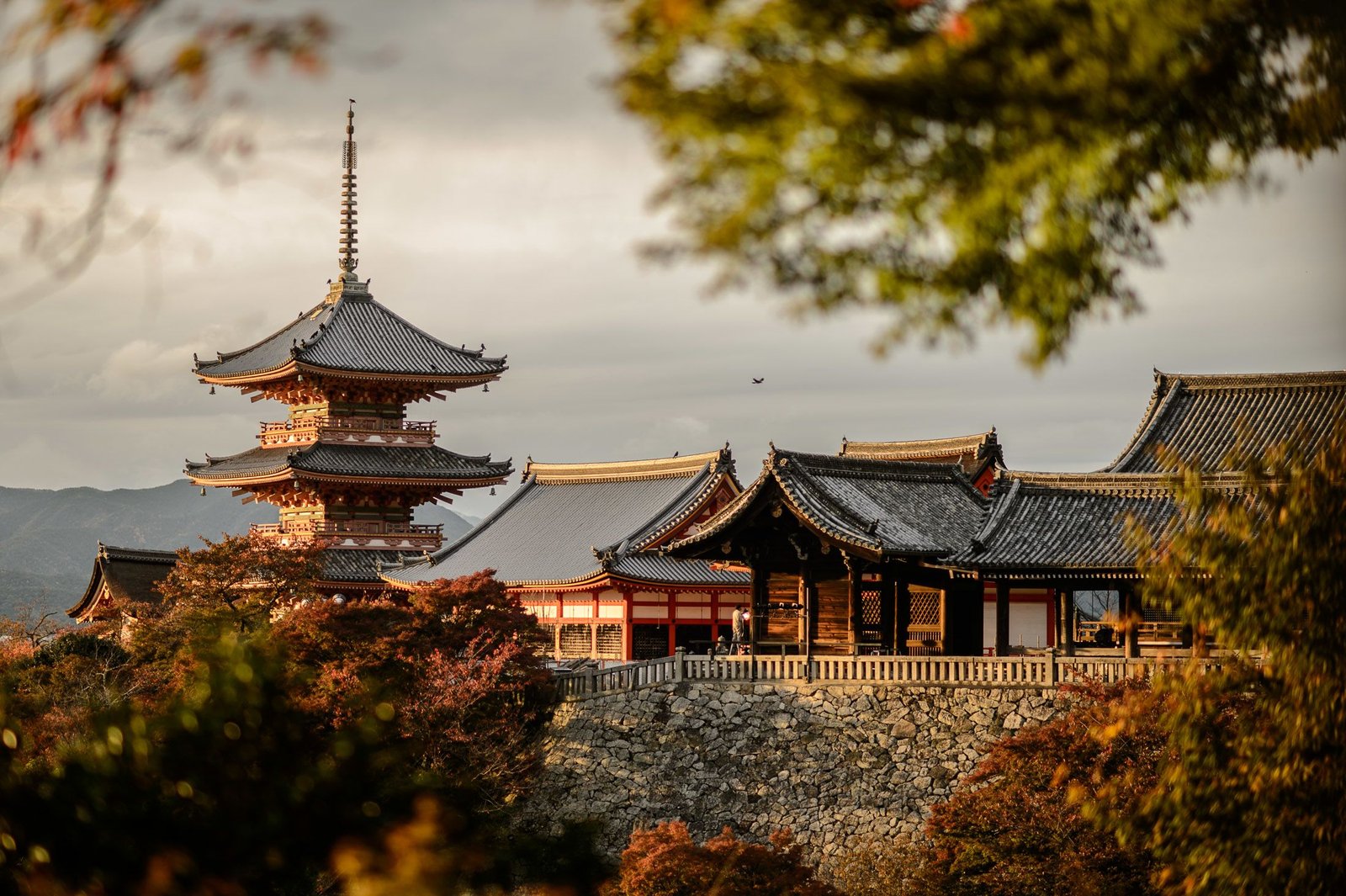
Kyoto, renowned worldwide for its ancient temples, traditional districts, and stunning cherry blossom displays, has launched an ambitious restructured lodging tax targeting overnight visitors. This innovative five-tier taxation system, now in effect, creates differentiated rates based on accommodation costs, ensuring that luxury travelers contribute proportionally more to conservation efforts.
Under the new structure, visitors staying at premium hotels with rates exceeding 100,000 yen (approximately $635) face the highest tax bracket of 10,000 yen per person per night—roughly $64. This substantial fee targets high-end tourism while generating significant revenue for cultural preservation. Meanwhile, budget-conscious travelers spending under 6,000 yen nightly will see only a modest increase of 200 yen, equivalent to about $1.30, making cultural tourism accessible across economic levels.

According to Kyodo News, this revised taxation framework could more than double Kyoto’s lodging tax revenue, potentially reaching 13.2 billion yen annually. These substantial funds will directly support cultural restoration projects, infrastructure improvements, and enhanced tourism management during peak seasons like the cherry blossom period, when visitor numbers traditionally surge.
Himeji Castle Admission Fee Increases Target Preservation
Himeji has implemented similar sustainable tourism measures, significantly increasing admission fees for its crown jewel attraction. The iconic Himeji Castle, widely considered Japan’s finest original castle and a UNESCO World Heritage site, now charges nonresident adults 2,500 yen instead of the previous 1,000 yen—an increase from approximately $6.50 to $16.
This pricing adjustment reflects the city’s unwavering commitment to maintaining the castle’s structural integrity and preserving its UNESCO status for future generations. The additional revenue will fund essential conservation work, visitor management systems, and educational programs that enhance the cultural value of the experience while protecting this 400-year-old architectural masterpiece.
Global Tourism Industry Response and Implications
The implementation of these tourist taxes in Japan aligns with international trends where destinations worldwide increasingly rely on lodging taxes and attraction fees as essential tools for managing tourism’s environmental and cultural impacts. Cities from Amsterdam to Venice have adopted similar strategies, recognizing that sustainable tourism requires financial mechanisms that support long-term preservation over short-term profits.
However, industry perspectives remain divided. The World Travel & Tourism Council has raised concerns about the potential negative impacts of increased overnight fees, particularly citing examples from regions like the United Kingdom. They argue that inconsistent fee structures could potentially hinder economic growth, limit job creation, and reduce international competitiveness in the global tourism market.
Tourism economists suggest that Japan’s tiered approach may offer a more balanced solution, ensuring that luxury travelers bear greater responsibility for their environmental impact while maintaining accessibility for budget-conscious visitors who contribute to local economies through dining, shopping, and cultural activities.
Future of Sustainable Tourism in Japan
For international travelers planning visits to Japan, these new tourist taxes signal a fundamental shift toward more responsible tourism practices. The country is actively working to achieve an optimal balance between welcoming eager international visitors and safeguarding its irreplaceable cultural heritage.
Travel industry analysts predict that other Japanese destinations may follow Kyoto and Himeji’s lead, potentially implementing similar taxation structures for popular attractions like Mount Fuji, historic Nara, and the temples of Nikko. This coordinated approach could establish Japan as a global leader in sustainable tourism management.
Looking ahead, these changes represent part of a broader worldwide movement toward responsible travel, where visitors to Japan will not only enjoy rich cultural experiences but also actively contribute to conserving the country’s cherished landmarks. The success of Japan’s tourist tax initiatives may serve as a model for other culturally significant destinations struggling with overtourism challenges, demonstrating that thoughtful policy implementation can protect heritage sites while maintaining vibrant tourism economies.

