

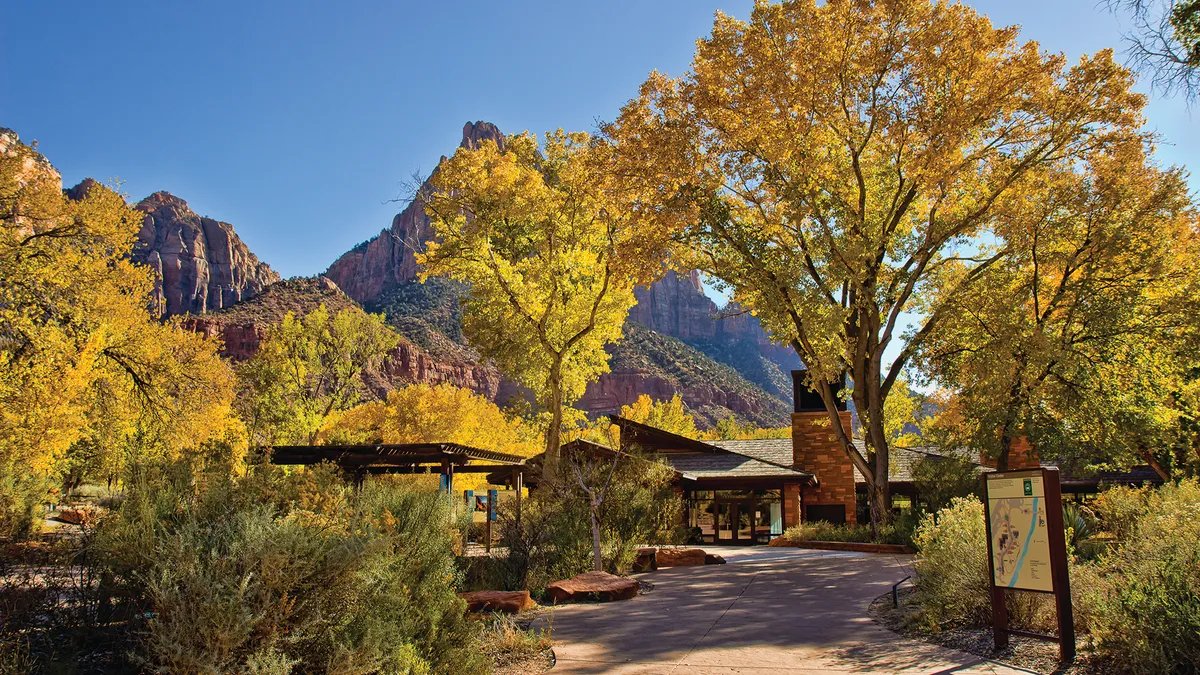
As the federal government shutdown continues into its second month, national park itineraries remain largely unaffected, with many parks operational and accessible.
According to travel operator Tauck, all scheduled tours are proceeding without any changes. Kelly Rossiter, Associate Director of Product for North America at Tauck, noted that Xanterra, the company responsible for managing concessions in several parks, is actively maintaining restrooms and public spaces. Parks such as Yellowstone, Grand Canyon, Bryce, Zion, Yosemite, and Sequoia National Park continue their operations normally, ensuring that visitors can enjoy their experiences.
Other travel companies, including Intrepid Travel and the Globus family of brands, have also reported that their tours are running smoothly without any significant operational disruptions caused by the shutdown. Amanda Neiman, Intrepid’s North America Operations Director, shared that their Urban Adventures day tour collection in Washington, D.C. has seen increased demand, largely due to many museums and attractions being closed, which has led visitors to seek alternative activities.
“With fewer rangers and programs available, small-group travel fills that gap in a really meaningful way,” Neiman noted. This shift underscores the importance of adaptable travel options during times of uncertainty.
Economic Impact on National Park Gateway Communities
While many national parks remain operational, the effects of the government shutdown are varied across gateway communities. The Utah Governor’s Office of Economic Opportunity has funded visitor centers at the state’s five national parks, allowing Zion to maintain steady visitor rates. Jamie Allen, Grant Funding and Operations Manager at the Greater Zion Convention & Tourism Office, confirmed that this funding has helped mitigate potential declines in visitation.
Conversely, Montana’s Visit Big Sky has reported a noticeable dip in visitor numbers. CEO Brad Niva indicated that actual statistics are still being compiled, but early indications suggest that the community is experiencing a larger-than-normal decline in tourism. The timing is significant, as it typically sees decreased activity after Yellowstone’s summer season and before the ski season commences.
Niva attributes this decline partly to the public perception that parks are closed, saying, “Visitors in general are sensitive.” He drew a parallel to potential travelers to Paris who might reconsider their plans if they learned that the Eiffel Tower would be closed during their visit.
Conclusion
Despite the ongoing government shutdown, many national parks continue to function and welcome visitors, while tour operators adapt to changing circumstances. The varied impact on gateway communities highlights the delicate balance between park accessibility and public perception. As travelers continue to seek unique experiences in these natural treasures, the resilience of both parks and local businesses remains a key factor in maintaining visitor engagement and support.

