

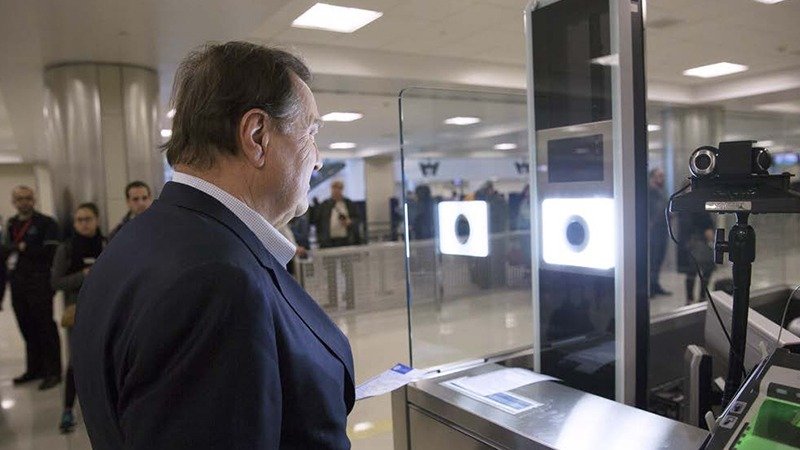
A new biometric photography initiative, previously reported by Open Jaw, is set to become official U.S. policy beginning December 26, 2025. This significant shift marks an expanded use of facial recognition technology and data collection across all entry and exit points for travelers in the United States.
Under this updated regulation, U.S. Customs and Border Protection (CBP) will require photographs—and sometimes fingerprints—of all non-U.S. citizens, including lawful permanent residents and children, whenever they enter or depart from the country, regardless of whether they are traveling by air, land, or sea.
Overview of the Rule
The Department of Homeland Security (DHS) finalized this comprehensive rule, which does not allow for any exceptions based on age, traveler type, or specific border crossings. As a result, every non-citizen will be subject to photo capture, which will be processed through CBP’s facial recognition technology. The data could remain in DHS databases for as long as 75 years, filling what officials claim are gaps in current policies that have allowed for visa overstays and identity fraud.
Biometric Photo Capture
Photographs will be taken by identifiable CBP officers as part of a formal biometric entry-exit system. These images will be live captures, matched against existing government databases to confirm identities and to monitor movement. This system was initially mandated by Congress nearly thirty years ago but is only now being uniformly enforced.
Photos may be captured at various locations, including passport control booths, airport boarding gates, cruise port kiosks, and even pedestrian crossings or private airfields.
Image Capture Process Before Boarding
For travelers returning to Canada from the U.S., their image will likely be captured at the airport gate before boarding. Although details remain unclear, it is believed that CBP will utilize either a fixed camera or an agent equipped with a device to take the necessary images for facial recognition and exit verification. The implications for airlines regarding this development remain uncertain.
Data Retention for Up to 75 Years
Captured photographs will be stored in a DHS database for potentially 75 years. This extensive database will be integrated into a large facial recognition system designed to enhance the enforcement of immigration laws, reduce document fraud, and combat visa overstays. The implementation of this system will allow for nearly instantaneous identity verification for CBP officers during inspections. In some scenarios, cameras will be strategically placed to automatically capture faces, eliminating the need for manual photo taking.
Timeline for Full Implementation
Officials are optimistic that this expansion of biometric measures will enhance border security, reduce visa fraud, and support the enforcement of immigration laws. However, privacy advocates have raised concerns, asserting that this regulation could usher in a level of surveillance that may infringe on traveler privacy and data security. While the rule is set to take effect this December, federal agencies estimate that it may take three to five years to achieve complete coverage at all commercial ports, particularly concerning land and sea crossings.
For more information on facial recognition technology and its implications, read more on sources such as CBP and DHS.

