

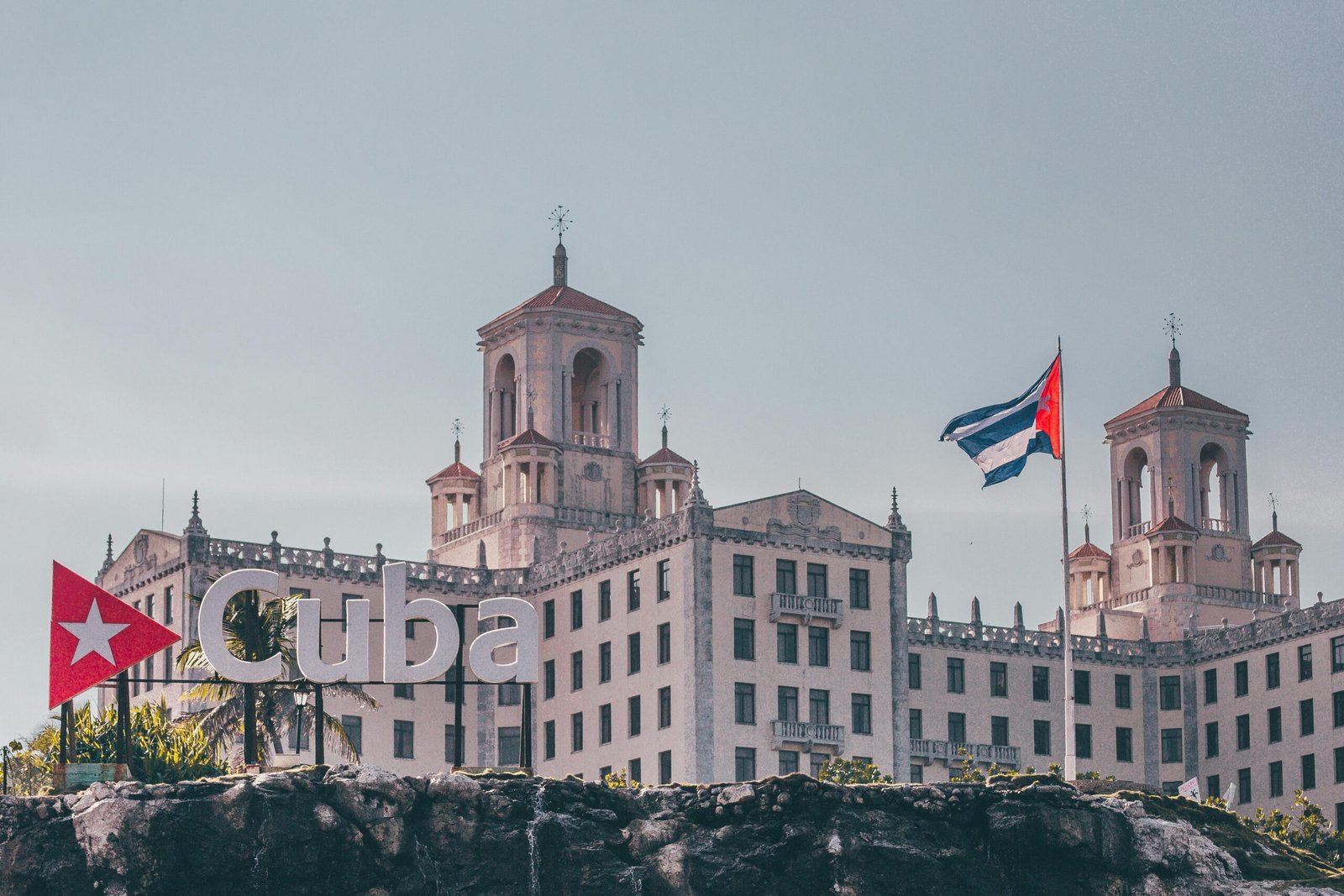
Cuba Tourism Resilient Despite Power Outage Concerns
In recent Cuba tourism news, travelers planning their Cuba winter holidays may find themselves weighing reports of power outages and fuel shortages against the island’s ongoing promises of operational stability and growth, particularly in visitor numbers from Canada. Despite infrastructure challenges that have dominated headlines, Cuba tourism continues to demonstrate remarkable resilience, with industry professionals reporting steady booking patterns and maintained visitor confidence.
Understanding the Infrastructure Challenges
Cuba’s recent infrastructure difficulties stem from a combination of factors including aging power grid systems, limited fuel imports, and ongoing economic pressures. The island nation has experienced intermittent blackouts affecting residential areas, while fuel shortages have impacted transportation and some service sectors. These challenges have created uncertainty among potential visitors who rely on consistent power and transportation services during their vacations.
However, the Cuban government has prioritized tourist areas in its resource allocation strategy. Hotels, restaurants, and key tourist attractions receive priority power distribution, ensuring that visitor experiences remain largely uninterrupted. This strategic approach reflects the critical importance of tourism revenue to Cuba’s economy, representing approximately 10% of the nation’s GDP in recent years.
Navigating Fuel Shortage Concerns
Officials assert that despite fuel shortages, tourist areas remain largely unaffected, with continued steady increases in visitor numbers. These disruptions have sparked curiosity among tourists rather than widespread concern, with many travelers viewing the situation as part of Cuba’s authentic character rather than a significant deterrent.
For those involved in the travel industry, the primary challenge lies in addressing an influx of inquiries rather than facing a downturn in bookings. Travel agents report that while client questions have increased, actual cancellations remain minimal, suggesting that Cuba tourism maintains its appeal despite infrastructure concerns.
Julie Smigadis, the owner of Travel Our World – Envoyage Canada, commented on these concerns: ‘A friend traveling to Cuba recently asked me if we should be alarmed by these reports. This reflects more curiosity than genuine alarm.’ Insights from local residents report occasional blackouts, though usually with minimal impact on tourists staying in resort areas or major hotels equipped with backup generators.
Mixed Messages and the Role of Travel Advisors
The situation is made more complex by differing messages from various sources. A recent Cuba travel advisory from Canada suggests a heightened level of caution due to potential shortages, contrasting with reassurances from the Cuban Tourist Board that operations proceed normally. This disconnect creates confusion for travelers who must navigate conflicting information when making vacation decisions.
Lou Anne Fradsham of Uniglobe Bon Voyage Travel reports that while bookings remain steady, there has been an increase in client queries about these advisories. ‘Our bookings are consistent, yet we’re fielding a lot more questions about the advisories and mixed messages,’ she explains. Travel advisors have become crucial interpreters of these mixed signals, helping clients understand the real situation on the ground.
The Canadian market represents Cuba’s largest source of international visitors, making Canadian travel advisories particularly significant. Industry data shows that Canadian travelers account for approximately 40% of Cuba’s annual tourist arrivals, highlighting the importance of maintaining confidence among this key demographic.
Industry Adaptation and Resilience Strategies
Cuban tourism operators have demonstrated adaptability in addressing infrastructure challenges. Many hotels have invested in backup power systems, ensuring uninterrupted service even during grid outages. Resort operators have also diversified their fuel sources and implemented energy conservation measures without compromising guest experiences.
Tourism industry stakeholders have increased communication efforts, providing regular updates to international partners about operational status. This proactive approach helps counteract negative publicity and maintains booking confidence among travel agencies and tour operators worldwide.
Prioritizing Clear Communication
In uncertain times like these, clear and consistent communication is vital. While reservations have not dramatically decreased, a straightforward approach is necessary to maintain trust. The Cuban government, travel advisors, and tourist boards play crucial roles in providing accurate information to alleviate concerns.
Experts in the travel industry emphasize the importance of coordinated updates from various advisories to maintain traveler confidence. With the high season for Cuba winter holidays approaching, tourists will depend on their travel advisors for reliable guidance about current conditions and practical travel considerations.
The steady stream of assurances from travel professionals and the Cuban tourism board inspires optimism for those eager to explore Cuba’s beautiful landscapes and cultural offerings. As Cuba tourism continues to navigate these infrastructure challenges, robust communication and proactive management remain crucial to ensuring that travelers receive the guidance they need to enjoy their vacations with confidence. The industry’s resilience suggests that Cuba will continue to attract visitors who value authentic experiences and cultural richness over perfect infrastructure.
Sources
Information compiled from industry reports, travel advisor interviews, and Cuban Tourist Board communications. Travel advisories referenced from Canadian government official publications.

