


Cuba’s national power grid collapsed on March 16, plunging the entire island nation into darkness and intensifying the worst economic crisis the country has faced in decades. The Cuba power grid collapse has left millions without electricity, exacerbating existing shortages of fuel, food, and essential medicines while raising serious concerns about the future of tourism to this historically popular Caribbean destination.
Trump Administration Hints at Potential Cuba Intervention
In an unprecedented development, President Donald Trump suggested during a Washington D.C. press briefing that the United States might consider intervention in Cuba. His remarks indicated a potential shift in decades-old U.S.-Cuba policy, with Trump stating it “would be an honor” to assume control over the island nation.
“Taking Cuba — I mean, whether I free it or take it, I think I can do anything I want with it,” Trump declared, though he stopped short of announcing concrete military or political action. These statements echo similar rhetoric the administration has used regarding Venezuela, amplifying international scrutiny of U.S. intentions in the region.
Secretary of State Marco Rubio has reinforced calls for regime change in Havana, while administration sources suggest ongoing diplomatic channels remain open for potential negotiations. Any U.S. intervention would represent the most significant shift in Cuban-American relations since the 1962 Cuban Missile Crisis.
Widespread Protests Erupt Across Cuba
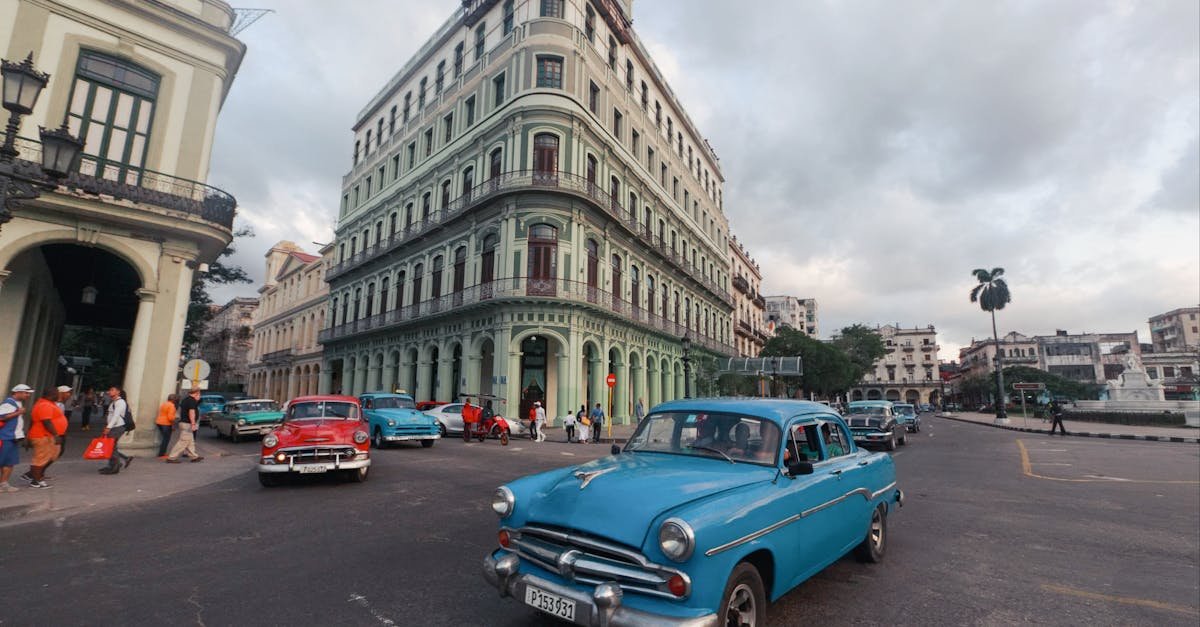
The Cuba power grid collapse has triggered the largest civil unrest the island has witnessed in years. In Havana and other major cities, frustrated residents have taken to the streets in traditional “cacerolazo” protests, banging pots and pans to express their anger over deteriorating living conditions.
These demonstrations reflect mounting public frustration with chronic power outages, water shortages, and food scarcity that have plagued the nation for months. Local reports indicate protests have spread beyond the capital to Santiago de Cuba, Camagüey, and other provincial centers, suggesting widespread discontent with the government’s handling of the crisis.
Caribbean Travel Industry Faces Major Disruptions
The infrastructure collapse has sent shockwaves through the Caribbean travel sector, with multiple airlines suspending service to Cuba due to severe fuel shortages. Canadian carriers, which traditionally provide significant tourist traffic to the island, have indefinitely canceled flights citing safety concerns and operational challenges.
The ongoing U.S. oil embargo has intensified fuel scarcity, driving black market gasoline prices to an astronomical $9 USD per liter. For context, this means filling an average vehicle tank would cost more than most Cubans earn in an entire year, effectively paralyzing ground transportation networks that tourists rely on.
Travel advisories have been issued for the broader Caribbean region as the crisis threatens to destabilize regional tourism patterns. Hotel operators report widespread cancellations, while cruise lines have rerouted itineraries to avoid Cuban ports.
Economic Implications and Tourism Outlook
Cuba’s tourism industry, which generated approximately $3 billion annually before the pandemic, now faces its greatest challenge since the collapse of the Soviet Union. The Cuba power grid collapse has forced luxury resorts in Varadero and Cayo Coco to operate on emergency generators, significantly impacting guest experiences and operational costs.
Industry analysts predict the crisis could reshape Cuba’s position in the competitive Caribbean tourism market. Without reliable electricity, the island’s historic attractions, including Old Havana’s UNESCO World Heritage sites, struggle to maintain basic visitor services.
Trump’s references to a potential “deal” with Cuba have created additional uncertainty for international investors and tourism operators who have spent years navigating complex U.S. sanctions regimes.
International Response and Future Prospects
The European Union and Latin American governments are closely monitoring developments, with several nations offering humanitarian assistance while calling for peaceful resolution of the crisis. Mexico and Canada have expressed willingness to provide emergency fuel supplies, though logistical challenges remain significant.
As Cuba struggles to restore electrical service and address mounting humanitarian needs, the international community watches for signs of either gradual recovery or further deterioration. The coming weeks will prove critical in determining whether the island can stabilize its infrastructure and preserve its tourism industry.
Travelers planning visits to Cuba or the broader Caribbean region should monitor official advisories and maintain flexible booking arrangements as this historic crisis continues to unfold.

