

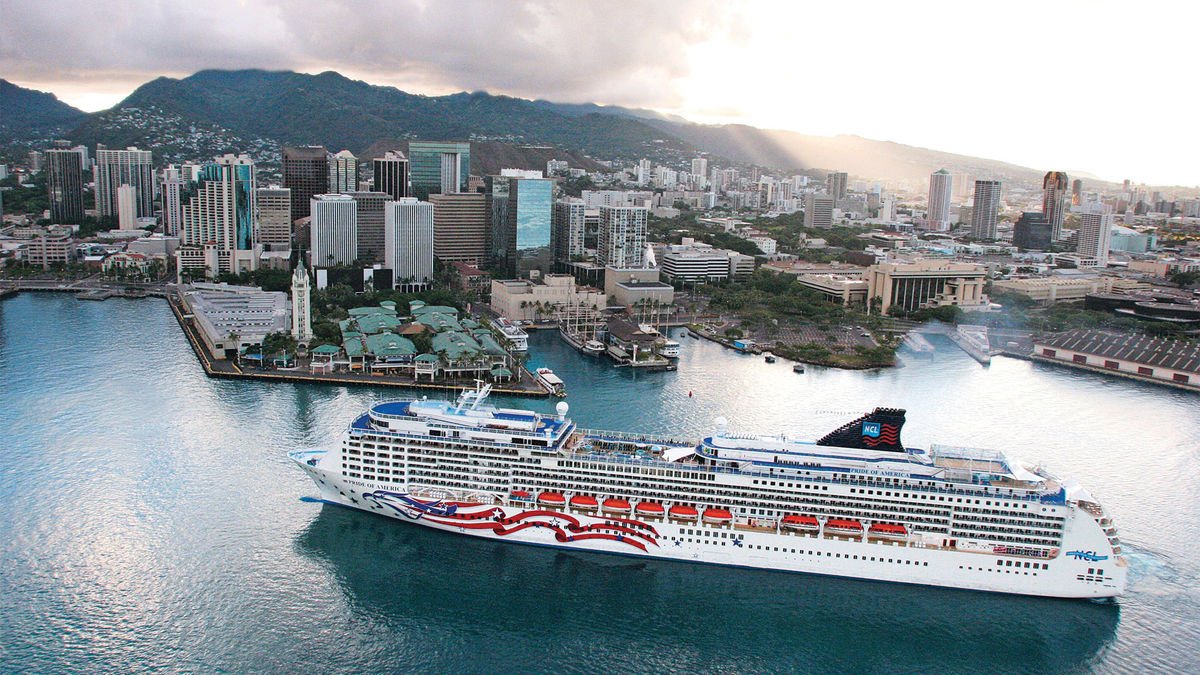
Cruise destinations are increasingly implementing taxes on ships and passengers to generate revenue aimed at mitigating the effects of overtourism. Recent months have seen states like Hawaii, Norway, Mexico, and Skagway, Alaska finalize these new tax structures.
These taxes are specifically designated to help destinations cope with the surge of tourists since the pandemic, including addressing environmental impacts. For example, the tax revenues generated in Hawaii are planned for initiatives such as park management and climate resilience projects. Similarly, Norway has introduced a 3% tourism tax that requires municipalities to demonstrate that tourist activity has strained local resources, such as roads and parks, before they can access the funds.
While the Florida-Caribbean Cruise Association played a role in negotiating a lower tax rate for Mexico’s new cruise tax, the Cruise Lines International Association (CLIA) has taken action against Skagway’s new tax by filing a lawsuit and expresses intentions to challenge similar regulations in Hawaii. A CLIA spokesperson warned, “If the cruise industry failed to challenge this surcharge, other states and municipalities could feel unconstrained in adopting similar unlawful surcharges, leading to exorbitant and ultimately untenable cruise fares.”
Balancing Economics and Quality of Life
When these taxes are introduced, destinations face a challenging balancing act; they must maintain a welcoming atmosphere for tourists to reap the economic benefits while ensuring local residents remain content. Jungho Suh, a management professor at George Washington University, emphasizes that the local community’s well-being is crucial to attracting visitors. He notes that local hospitality and friendliness significantly contribute to a destination’s appeal, but overtourism has negatively affected community sentiment, especially in the post-pandemic landscape. Suh added that policymakers must navigate these complexities by considering the opinions of local residents, tourists, and commercial cruise lines.
Generally, cruise passengers tend to spend less onshore compared to other travelers, as highlighted by Robert Rosen, a law professor at the University of Miami. The introduction of taxes may serve as a way to compensate for this revenue shortfall, according to Daniel Guttentag, director of the Office of Tourism Analysis at the College of Charleston. Since tax burdens fall on visitors rather than local residents, lawmakers might perceive reduced political risks in instituting such taxes. According to Cruise.com president Anthony Hamawy, political motivations often steer lawmakers to favor tourist taxes as “it’s a softer hit” compared to taxing constituents.
Potential Consequences for Cruise Lines
With numerous alternatives for docking, cruise lines might consider steering clear of destinations that impose taxes. Rosen points out that competition among various locations is fierce; for instance, Mexico competes with Guatemala, and Caribbean islands vie for the same cruise traffic. Hence, introducing a tax can deter cruise lines from selecting a specific port of call.
CLIA has cautioned about the “unintended consequences for local communities,” indicating that increased cruise fares might result in decreased spending by passengers and less visitation by cruise ships overall. Taxes might also prompt cruise lines to allocate more of their itineraries to private destinations or include extra sea days in their routes, as noted by Richie Karaburun, a clinical associate professor at New York University’s Jonathan M. Tisch Center of Hospitality.
When faced with taxes, cruise lines may choose to absorb these costs or pass them on to customers. Karaburun suggests that if a single destination increases its fees by $5 or $6, a cruise line might absorb it. However, if several ports introduce similar taxes, the cumulative effect—such as $24 for a week with a capacity of 5,000 passengers—would compel the cruise line to pass the additional costs on to consumers.
As cruise destinations navigate fiscal challenges while catering to both tourists and residents, the evolving landscape will undoubtedly prompt ongoing discussions regarding travel economics and community well-being.

