

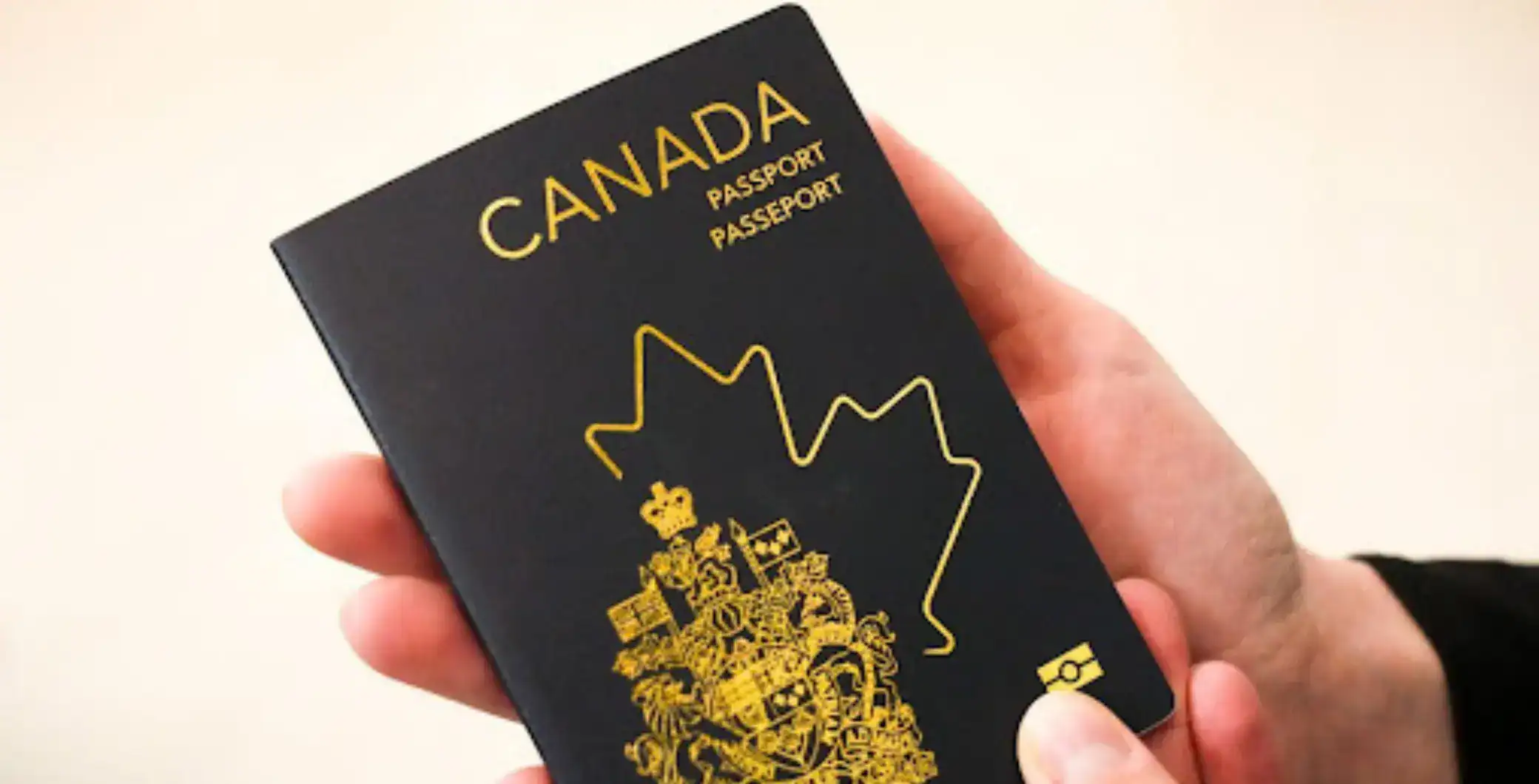
Canadian Travel Spending 2026: A Record $47.6 Billion Projection
As the travel industry braces for a transformative year, a comprehensive study by Allianz Global Assistance Canada reveals that Canadian travel spending is projected to soar to an unprecedented $47.6 billion in 2026. This optimistic forecast signals a fundamental shift in Canadians’ travel habits, emphasizing quality and enriching experiences over mere quantity, despite the backdrop of ongoing economic challenges including inflation and currency fluctuations.
Surge in Canadian Vacations Planned for 2026
The Vacation Confidence Index Study conducted by Allianz highlights a notable 22% increase in vacation spending compared to the previous year, representing one of the most significant year-over-year growth rates in recent travel industry history. In the face of persistent economic headwinds such as inflation rates hovering above historical averages and a Canadian dollar that has experienced volatility against major currencies, Canadians are demonstrating remarkable resilience in their quest for leisure travel.
This trend underscores a broader societal preference for experience-driven travel that provides lasting personal value and mental health benefits. Travel psychologists note that the pandemic fundamentally altered how Canadians view the importance of travel, with many now prioritizing meaningful experiences over material possessions.
According to Tayjua Squire, Manager of Corporate Communications at Allianz Global Assistance Canada, “Canadians are clearly feeling the pressure of the current economic environment, yet their wanderlust remains undiminished. We’re seeing a fundamental shift where travelers are willing to make sacrifices in other areas of their lives to maintain their travel aspirations.” Whether opting for domestic escapes to destinations like the Canadian Rockies, Maritime provinces, or international adventures, Canadians are increasingly seeking stress-free getaways that offer genuine cultural immersion and personal growth opportunities.
The Allure of European Destinations
A significant spending disparity is evident among Canadians planning overseas trips to long-haul destinations, with Europe leading as the preferred international destination. On average, these travelers budget $6,354 per trip, vastly exceeding the $2,398 reserved for domestic travel within Canada. This substantial difference reflects not only the higher costs associated with international travel but also Canadians’ willingness to invest in once-in-a-lifetime experiences.
Popular European destinations among Canadian travelers include traditional favorites such as Italy, France, and the United Kingdom, alongside emerging hotspots like Portugal, Croatia, and the Baltic states. Travel agents report increased interest in multi-country European itineraries, with many Canadians opting for extended trips of two to three weeks to maximize their investment and minimize the impact of long-haul flight costs.
Despite possible limitations on travel frequency due to financial concerns, the allure of profound cultural experiences, historical exploration, and culinary adventures continues to captivate Canadian travelers. Many are adopting a “fewer but better” approach, choosing to take one significant international trip every two years rather than multiple shorter domestic trips.
Financial Factors Shaping Travel Decisions
Financial considerations remain the primary determinant in Canadian travel planning decisions for 2026. The Allianz study reveals that for those foregoing travel entirely, 63% cite direct financial constraints as the primary reason, while 36% mention broader economic uncertainty and concerns about job security as influencing factors.
The weakening Canadian dollar has led approximately half of surveyed travelers to revise their original travel plans, with many opting for destinations where the Canadian dollar performs more favorably or choosing to extend domestic travel options. Financial advisors specializing in travel planning report increased consultations from Canadians seeking strategies to maximize their travel budgets through points optimization, advance booking strategies, and alternative accommodation options.
Interestingly, the study also reveals that 42% of Canadian travelers are willing to extend their trip duration while reducing frequency, viewing this as a cost-effective strategy to achieve more immersive travel experiences. This approach allows travelers to spread fixed costs like flights over longer periods while enjoying deeper cultural engagement.
Demographic Insights into Travel Behavior
The Allianz research provides fascinating insights into how different demographic groups approach travel planning and spending. Canadians aged 35 to 54, often referred to as the “sandwich generation,” are significantly more likely to curb their travel plans compared to those over 55, who typically have fewer dependent-related financial obligations and more established retirement savings.
Millennials and Gen Z travelers, despite facing unique economic challenges including housing affordability and student debt, show remarkable dedication to travel, with 73% indicating they would reduce spending in other categories to maintain their travel budgets. This demographic particularly favors adventure travel, sustainable tourism options, and destinations offering strong social media opportunities.
Perhaps most tellingly, 81% of surveyed Canadians express an urgent need for a vacation, with many describing travel as essential for mental health and work-life balance rather than a luxury. This shift in perception from discretionary spending to wellness investment has profound implications for how the travel industry positions its offerings.
A Rising Importance of Travel Insurance in Canada
There is a growing recognition of the critical importance of comprehensive travel insurance among Canadian travelers. Three-quarters of travelers now regard travel insurance as absolutely crucial for offsetting unexpected travel-related disruptions, including medical emergencies, flight cancellations, trip interruptions, and even pandemic-related complications.
This represents a dramatic evolution in Canadian travel behavior, where insurance has transitioned from being considered an optional add-on to an essential component of trip planning. Insurance industry experts attribute this shift to increased awareness of potential travel disruptions, higher medical costs abroad, and the substantial financial investments Canadians are making in their trips.
The most popular insurance coverage options include comprehensive medical coverage, trip cancellation and interruption protection, and increasingly, “cancel for any reason” policies that provide maximum flexibility. Travel insurance providers report a 45% increase in policy purchases compared to pre-pandemic levels, with Canadians particularly focused on coverage that includes pandemic-related protections.

Implications for the Travel Industry
The travel industry stands at the precipice of a record-breaking year in Canadian travel spending, presenting both opportunities and challenges for service providers across all sectors. Airlines are responding to increased demand by expanding route networks, particularly to European destinations, while hotels and resorts are developing premium packages that cater to Canadians’ preference for high-value experiences.
Tour operators report surge in demand for small-group, experiential travel options that provide authentic cultural interactions and unique access to destinations. Adventure travel companies are seeing particular growth, with Canadian bookings for activities like hiking, culinary tours, and wildlife experiences increasing by over 35% compared to previous projections.
Travel advisors and agencies are adapting their service models to provide more comprehensive planning support, helping Canadian travelers maximize their substantial investments through expert destination knowledge, insider access, and detailed itinerary customization.
Technology and Booking Trends
Canadian travelers are increasingly leveraging technology to optimize their travel investments, with 68% using multiple booking platforms to compare prices and secure the best value. Mobile booking apps, price alert systems, and AI-powered travel planning tools are becoming essential resources for budget-conscious travelers seeking premium experiences.
Sustainable travel considerations are also influencing booking decisions, with 54% of Canadian travelers willing to pay premium prices for eco-friendly accommodations and carbon-offset flight options. This trend aligns with broader environmental consciousness and represents a significant market opportunity for travel providers offering sustainable alternatives.
Conclusion: Embracing High-Value Travel Experiences
Despite significant economic hurdles, Canadians are demonstrating unwavering commitment to fulfilling travel adventures in 2026. The projected $47.6 billion in Canadian travel spending represents more than just economic activity—it reflects a fundamental shift toward viewing travel as an investment in personal well-being, cultural understanding, and life enrichment. This pivot toward significant travel experiences underlines the critical importance of strategic planning, comprehensive insurance coverage, and expert guidance to ensure peace of mind for those ready to explore the globe. The coming year promises a dynamic and robust travel market, ready to evolve in line with these shifting preferences and deliver unprecedented value to Canadian travelers seeking transformative experiences.
Sources
- Allianz Global Assistance Canada – Vacation Confidence Index Study 2026
- Travel Industry Association of Canada
- Statistics Canada Tourism Indicators
- Canadian Travel and Tourism Research Institute

