

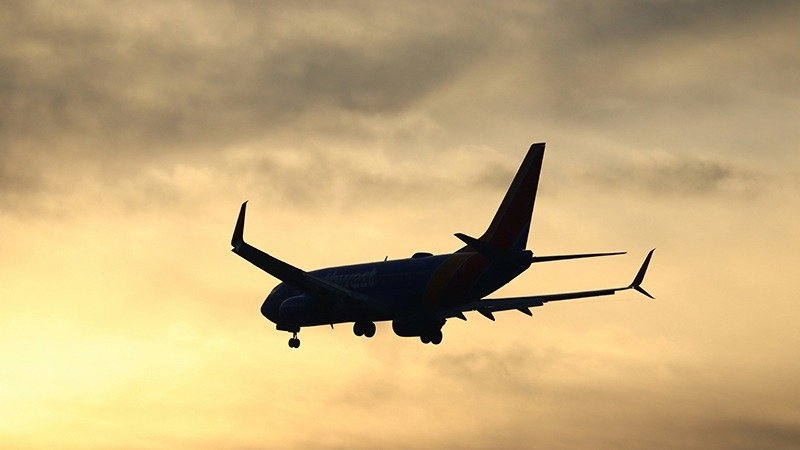
Boeing is facing significant challenges with the recent return of two 737 MAX jets from China to the United States, underscoring the ongoing ramifications of the escalating tariff war between the two nations.
Impact of Tariff War on Boeing
The aviation giant has struggled to navigate the turbulent waters of international trade disputes, which have led to varying market dynamics and diplomatic tensions. The return of these jets marks another setback for Boeing as it grapples with a production environment that demands both resilience and adaptability.
Ongoing Negotiations with Malaysia Airlines
In light of these developments, Boeing is currently engaged in discussions with Malaysia Airlines regarding a potential order as a strategic pivot to counterbalance recent setbacks. This exploration of new partnerships highlights Boeing’s efforts to stabilize its footing in the global market. According to industry analysts, collaborating with Malaysia Airlines may provide Boeing with an opportunity to boost its sales figures as it seeks to recover from supply chain disruptions and regulatory hurdles.
Market Response and Future Prospects
The reaction from the market has been mixed, with some investors expressing concern over Boeing’s ability to manage its international relationships effectively. Meanwhile, others remain optimistic about the company’s long-term recovery strategies. Boeing is likely to continue reassessing its operational strategies as geopolitical tensions evolve.
For more details on the impacts of the tariff war on international trade, check out this report from the Council on Foreign Relations.
Challenges Facing the Aviation Industry
The complications arising from the return of the 737 MAX jets highlight larger issues within the aviation industry, which has been grappling with supply chain disruptions exacerbated by geopolitical conflicts. As manufacturers adapt to these changing conditions, it’s crucial for companies like Boeing to innovate and maintain competitiveness.
Conclusion
The return of Boeing’s jets from China is a critical moment in the ongoing narrative of the company’s recovery from setbacks, including the well-documented challenges associated with the 737 MAX line. As Boeing navigates partnerships and strategizes to overcome the ripple effects of tariffs, its future performance remains a focal point for analysts watching the aviation sector. For further insights on the aviation industry’s recovery, visit Aviation Week.
By staying informed on these developments, stakeholders can better understand the complexities faced by Boeing and the broader aviation landscape.

