

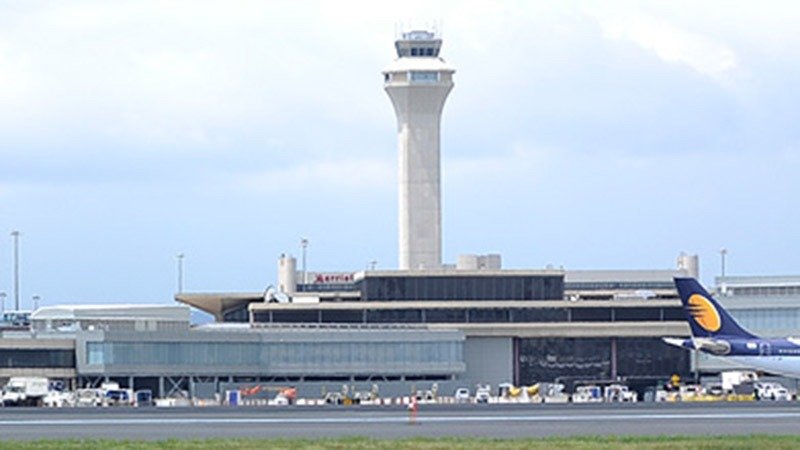
A veteran air traffic controller at Newark Liberty International Airport has raised serious concerns regarding the mounting pressures and challenges faced by air traffic personnel amid a staffing crisis and frequent technical outages. Jonathan Stewart, who has been in the industry for years, recently shared his experiences with the Wall Street Journal and highlighted the urgent need for additional resources to ensure safety and efficiency in air travel.
Stewart revealed that he has been on trauma leave following two significant technological blackouts that crippled communication with aircraft and obstructed visibility of their movements. He elaborated on the harrowing experience by stating, "It’s like playing 3-D chess at 250 miles an hour." These blackouts not only create chaos in the control tower but also pose serious risks to the safety of both air traffic controllers and passengers.
The staffing shortage in the air traffic control sector exacerbates these issues, leaving remaining personnel overworked and strained. Stewart’s comments underscore the growing demand for more trained professionals in this critical field, a concern echoed by many in the aviation industry. The Federal Aviation Administration (FAA) has repeatedly faced scrutiny for not adequately addressing these staffing gaps, which could compromise flight safety and operational efficiency at one of the busiest airports in the United States.
The challenges are not just confined to Newark. Similar issues have been reported at other major airports across the country, raising alarms about the need for prioritizing staff well-being and technological upgrades. Ongoing technical outages disrupt service and increase the risk of miscommunication during critical flight operations.
Industry experts warn that without immediate action to bolster staffing and technology, the consequences could be severe. Enhanced training programs and investments in state-of-the-art systems are essential steps towards improving the overall air traffic control framework.
Furthermore, it raises the question of how the aviation industry can maintain safety standards when faced with dwindling resources and an overstressed workforce. Addressing these concerns has never been more crucial to ensure safe skies as air travel continues to recover post-pandemic.
To read the full insights from Jonathan Stewart and learn more about the impact of staffing shortages and technological challenges in air traffic control, you can visit CNN.
As air traffic controllers advocate for better working conditions and more support, the aviation community watches closely, knowing that the stakes are higher than ever.

