

American Airlines Miami Airport Expansion: $1 Billion Project Announced
American Airlines is charting an ambitious course towards cementing its influence in Miami with the announcement of a formidable $1 billion expansion at Miami International Airport (MIA). At the heart of this expansion, unveiled as the MIA expansion project, is the much-anticipated Gate D60 renovation, set to commence in 2027. This massive investment encapsulates American’s vision for the future of travel at MIA and represents one of the largest single airline investments in airport infrastructure in recent years.
Core Expansion Details
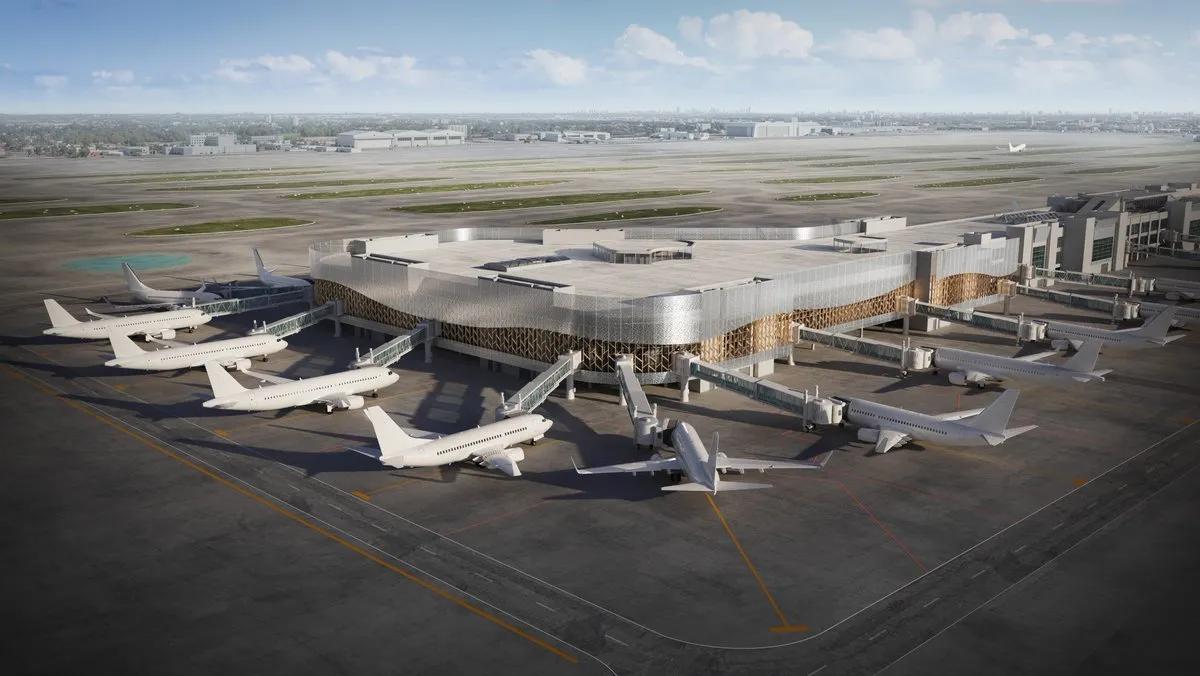
The cornerstone of the American Airlines Miami Airport expansion lies in the planned three-level extension of Concourse D, marking a significant uplift in MIA’s infrastructure. Seventeen new gates will be installed, amplifying MIA’s capacity to accommodate larger aircraft and handle the growing demand for international travel. Currently, American Airlines commands over 60% of MIA’s passenger traffic, orchestrating nearly 400 daily departures during peak periods, making it the dominant carrier at one of America’s busiest international gateways.
This renovation is intended to optimize operations further, particularly for high-volume international routes, as it phases out regional jets previously used for shorter trips. The expansion will enable American to deploy wide-body aircraft more efficiently, with improved gate configurations designed to handle Boeing 787s and Airbus A330s that serve the airline’s most lucrative long-haul markets.
Enhanced Passenger Experience and New Routes
The transformation at Gate D60 promises to replace bus boarding with dedicated boarding zones at each new gate, enhancing passenger experience and convenience. This adjustment will allow larger jets to dock directly, reinforcing efficiency and comfort while reducing transfer times for connecting passengers. Among the new offerings is the launch of routes to Milan, Italy, and Bimini, Bahamas, underscoring American Airlines’ commitment to expanding its international reach.
The Milan route represents a strategic move into the lucrative European market, capitalizing on Miami’s position as the gateway to Latin America while attracting business travelers and tourists seeking connections between Europe and the Americas. Meanwhile, the Bimini service caters to the growing leisure market, offering convenient access to the Bahamas’ pristine beaches and resort destinations.
These enhancements contribute to broadening American’s network, enabling it to reach 155 destinations in 45 countries, solidifying its position as a global carrier with Miami as a crucial hub for international connectivity.
Premium Features and Cutting-Edge Amenities
Complementing the gate enhancements is the introduction of a new Flagship Lounge, designed to provide superior comfort for premium passengers with state-of-the-art amenities including spa services, premium dining options, and dedicated workspaces. Additionally, the expansion of Admirals Club amenities aims to offer enhanced services and spaces for travelers wishing to relax before their flights, featuring improved Wi-Fi connectivity and expanded seating areas.
An innovative feature to include direct access from the new third floor to MIA’s customs hall is envisioned to streamline international travel experiences significantly, reducing connection times for passengers and improving overall airport flow. This design innovation reflects industry best practices and positions MIA as a model for efficient international airport operations.
Industry Impact and Economic Implications
Although construction is set to break ground in 2027, American Airlines has yet to confirm a completion date for the terminal’s operations. Industry analysts estimate the project will create thousands of construction jobs and permanent positions, contributing significantly to South Florida’s economy. The expansion is expected to increase MIA’s annual passenger capacity by approximately 8 million travelers, generating substantial revenue for local businesses and tourism operators.
American Airlines’ investment has substantial implications beyond immediate infrastructure improvements. By leading these critical upgrades, the airline not only strengthens its strategic hold at Miami International Airport but also elevates MIA’s stature as a pivotal international travel hub. Aviation experts predict this expansion will intensify competition among carriers seeking to establish or expand their presence in the lucrative Miami market.
In essence, this $1 billion expansion project is a testament to American Airlines’ confidence in Miami’s future as a premier global aviation center. As these ambitious plans unfold over the coming years, the transformation of Miami International Airport will likely set new standards for airport design and passenger experience, potentially reshaping the landscape of international air travel and cementing Miami’s position as the premier gateway between the Americas and the world.

