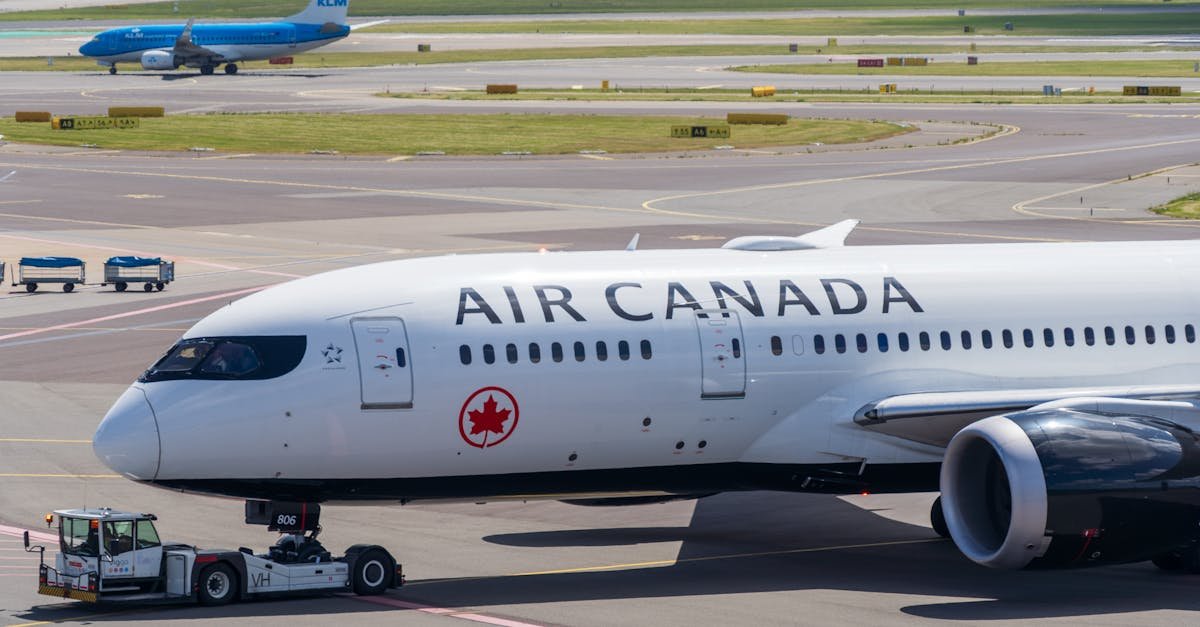


Airspace Closures Trigger Global Flight Disruptions
The unexpected airspace closures across the Middle East have sparked significant disruptions throughout the international travel industry, compelling airlines to rapidly adjust their schedules amidst escalating geopolitical tensions. This unforeseen development has notably impacted Air Canada and numerous international carriers, which have halted flights to Israel, the United Arab Emirates, and surrounding regions. The extensive airspace closures leave travelers and industry experts questioning when regular operations might resume, while creating a domino effect across global aviation networks.
Middle East Airspace Restrictions Escalate Travel Chaos
Military actions in the region have triggered widespread airspace restrictions throughout the Middle East, affecting major aviation corridors that connect Europe, Asia, and North America. Airlines, including Air Canada, quickly suspended flights to Israel and Dubai, navigating the increasingly volatile geopolitical landscape. The closures have impacted critical flight paths used by hundreds of daily international flights, forcing carriers to seek alternative routes that often require additional fuel stops and significantly longer flight times.
Canadian officials have addressed the crisis, emphasizing safety protocols while urging Canadian nationals in affected regions to seek secure locations. Foreign affairs representatives have reiterated Canada’s position on regional stability, attributing much of the current destabilization to ongoing conflicts. The absence of full diplomatic representation in several affected countries compounds challenges for nationals requiring consular assistance, creating additional strain on available support networks.

Air Canada Implements Emergency Response Measures
Air Canada’s Manager of Corporate Communications, Peter Fitzpatrick, has provided regular updates on the airline’s response to the widespread airspace closures. With Israeli airspace completely shuttered, numerous flights scheduled through February have faced immediate cancellations. The airline is cautiously monitoring conditions for potential resumption of services in early March, though no definitive timeline has been established given the fluid security situation.
Dubai route closures have particularly impacted Toronto-bound flights, forcing significant adjustments to passenger itineraries and crew scheduling. Fitzpatrick emphasized that passengers with canceled flights are eligible for full refunds without penalties, reinforcing the airline’s commitment to customer service during this unprecedented crisis. The airline has also waived change fees for travelers with upcoming bookings to affected destinations, providing flexibility during these uncertain times.
International Aviation Networks Face Widespread Impact
The travel disruptions extend far beyond Israel and Dubai, as Qatar, southern Syria, and other regional authorities have announced comprehensive airspace closures affecting major international corridors. These developments pose severe logistical challenges for Emirates Airlines, Qatar Airways, and regional carriers, escalating global flight cancellations and creating bottlenecks at alternative airports.
Dubai International Airport and Dubai World Central, both serving as crucial international travel hubs connecting East and West, have experienced dramatic reductions in traffic. The ripple effects have reached European and Asian carriers that rely heavily on Middle Eastern airspace for efficient routing between continents. Alternative flight paths over Turkey and southern Europe have become congested, leading to delays even for flights not directly serving affected destinations.
Airlines are implementing comprehensive contingency measures, including enhanced customer communication systems, flexible rebooking policies, and coordination with partner carriers to accommodate stranded passengers. The International Air Transport Association has issued guidance to member airlines on managing the crisis while maintaining safety standards.
Long-Term Aviation Industry Implications
The current airspace closures may have profound implications for the aviation industry’s economic stability and operational resilience. Airlines and aviation authorities are reassessing route planning strategies and fuel hedging policies to account for prolonged instability in this critical region. Industry analysts estimate potential revenue losses in the hundreds of millions as carriers absorb cancellation costs and operational inefficiencies.
The crisis highlights the aviation industry’s vulnerability to geopolitical events and the need for more robust contingency planning. As Air Canada and other international carriers navigate this challenging period, the focus remains on passenger and crew safety while adapting to rapidly changing circumstances. This evolving situation promises to reshape international air travel patterns, testing both airline operational flexibility and traveler adaptability in ways not seen since major global disruptions of recent years.