

Airlines Implement Significant Fuel Surcharges as Costs Skyrocket
The aviation industry faces unprecedented financial pressure as global jet fuel prices have skyrocketed by 96.4%, compelling airlines worldwide to impose substantial fuel surcharges that are fundamentally altering the travel landscape. According to the International Air Transport Association (IATA), jet fuel prices surged to $195.19 per barrel by the week ending March 27, 2026, marking a dramatic increase from $99.40 at the end of February. This surge has caused fuel expenses to constitute nearly 45% of overall operating costs, up from approximately 25% previously, forcing carriers to reassess their pricing strategies.
The rapid escalation in fuel costs stems from multiple global factors including geopolitical tensions, supply chain disruptions, and increased demand for air travel following the post-pandemic recovery. Airlines, operating on traditionally thin profit margins of 3-5%, find themselves in an untenable position where absorbing these costs would result in significant financial losses across the industry.
Major Carriers Roll Out Comprehensive Fuel Surcharges
Facing volatile market conditions, several international carriers are transferring portions of these increased costs to passengers through systematic fuel surcharges. Asiana Airlines implemented comprehensive new surcharges effective April 1, 2026, with travelers on routes from North America, Central America, or South America to South Korea encountering surcharges of $405 in business class and $305 in economy per leg. The Korean carrier is also imposing a $192 flat fee on routes to Japan and charges up to $300 and $200 for business and economy classes respectively on other major Asian destinations.
Air India has similarly revised its pricing strategy, announcing a $280 surcharge for international flights to North America and Australia effective April 10. The Indian carrier is applying lower fees for flights to Europe and other regions as part of their new distance-based pricing grid, reflecting the varying fuel consumption across different route lengths.
European and Middle Eastern Airlines Respond to Crisis
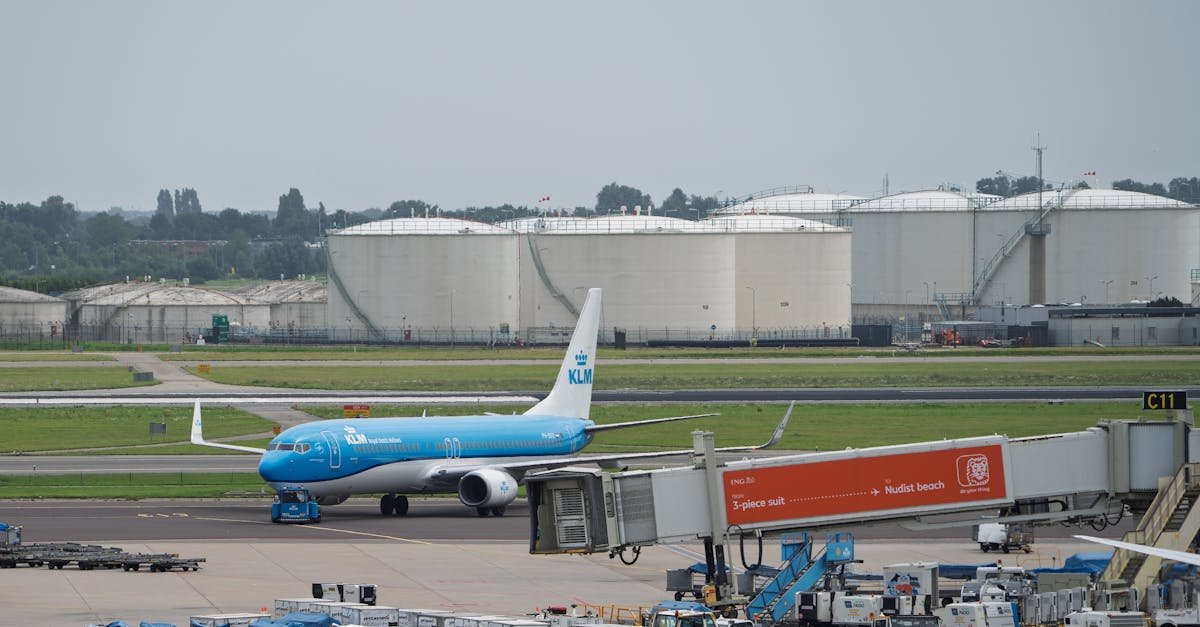
Air France-KLM has joined the surcharge movement, introducing a €50 fee for long-haul economy round-trips. This adjustment will remain as a “contractual adjustment” until fuel price volatility subsides, with the airline indicating monthly reviews of these charges. The Franco-Dutch carrier expects these measures to offset approximately 30% of the additional fuel costs incurred.
British Airways has enacted new surcharges specifically impacting long-haul routes to the Asia-Pacific region, with passengers flying from London to Singapore facing an additional €150 ($163) added to their ticket prices. The carrier is also considering similar measures for routes to Australia and New Zealand.
Cathay Pacific has doubled its existing fuel levy, resulting in a surcharge of approximately HK$1,560 ($200) for long-haul flights to North America and Europe as of April 1, 2026. The Hong Kong-based airline cited the need to maintain operational viability while preserving service quality standards.
Gulf Carriers Implement Substantial Adjustments
Emirates, aligning with global counterparts, has instituted the most significant changes among Gulf carriers. Their fuel surcharges for flights to the Americas range from $322 in economy to $1,023 in business and first class per leg. European routes experience surcharges of $226 in economy and $623 in premium cabins. Emirates plans monthly reviews of these surcharges in direct response to fuel cost fluctuations, establishing a dynamic pricing model that could become industry standard.
Industry-Wide Implications and Traveler Impact
While major U.S. airlines have largely avoided implementing similar surcharges, instead opting to increase baggage fees and reduce capacity on certain routes, international travelers should expect continued evolution in ticket pricing structures. Industry analysts predict that if fuel prices remain elevated beyond the third quarter of 2026, American carriers may be forced to adopt similar surcharge models.
Travel industry experts estimate that these surcharges will increase the average cost of international travel by 15-25%, potentially dampening demand for leisure travel while business travel remains relatively resilient. Corporate travel managers are already negotiating new contracts that account for fuel price volatility.
The implementation of these fuel surcharges represents a strategic response by the aviation industry to navigate unprecedented cost pressures while maintaining operational stability. As airlines continue monitoring fuel market dynamics, passengers can expect these pricing adjustments to remain fluid, directly reflecting the volatile energy landscape that has reshaped global travel economics in 2026.

