

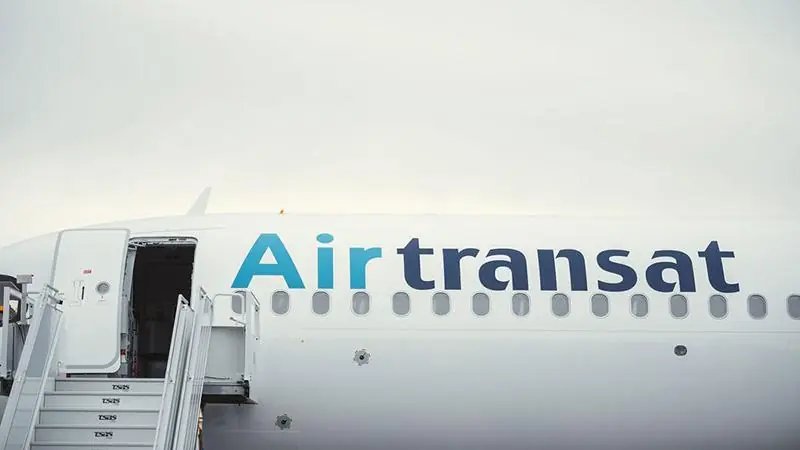

Concerns Emerge Over Possible Air Transat Pilot Strike
Air Transat pilots, numbering around 700 and represented by the Air Line Pilots Association, International (ALPA), are considering a strike authorization as contract negotiations stall, potentially marking the first strike in the airline’s 38-year history. The deadline for a final contract is set for December 10, 2023, or the pilots will proceed with a vote.
Prolonged Negotiations and Pilot Discontent
The current situation arises from protracted negotiations that began earlier this year. In January, pilots filed a notice to bargain, bringing forth a range of grievances. ALPA has characterized management’s responses as “frustratingly slow,” resulting in increasing disappointment among the pilot workforce.
Capt. Bradley Small Speaks Out
Capt. Bradley Small, Chair of the Air Transat Master Executive Council, voiced the pilots’ dissatisfaction, stating, “Our pilots have carried this airline through a decade of challenges, often at the expense of their own quality of life.” He highlighted that pilots are wrestling with outdated working conditions and benefits that rank among the weakest in the industry. “We lag behind our peers in virtually every aspect of pay, benefits, and job security,” he remarked.
Strike Authorization: A Standard Bargaining Step
Small clarified that seeking a strike vote is not an indication of a desire to strike, but rather a necessary step in the bargaining process. “We do not want to strike—we want a modern contract that reflects the work we do,” he stated. However, he emphasized their readiness to act if circumstances necessitate, asserting confidence that members would overwhelmingly support this action.
Current Negotiation Status
Despite the looming possibility of a strike, Robert Kokonis, president of AirTrav Inc., confirms that negotiations are still progressing, with parties actively engaged at the bargaining table under the guidance of federal conciliators since mid-September.
“The approval of a vote to seek a strike mandate is a normal part of the bargaining process,” Kokonis said, noting that the vote is expected to occur over two weeks in late November, where historically, similar votes have received an overwhelming margin of support, often up to 99.8%.
Potential Consequences and Broader Economic Context
Kokonis pointed out that heightened media attention surrounding the strike vote might apply additional pressure to the negotiations. “All of this negative attention could hurt ALPA’s position. Transat has never had a strike in its 38-year history, and both parties are committed to reaching a negotiated solution,” he remarked. The broader economic landscape complicates matters, as Kokonis noted concerns over evolving labor relations in Canada and warnings regarding wage stagnation for non-union workers.
As conciliation efforts continue, unless a resolution is reached by November 18, a cooling-off period will begin, putting pilots in a legal position to strike after November 21. While a strike authorization vote does not guarantee a work stoppage, it signals that pilots are prepared to take action if negotiations fail.
Implications for Travelers and Travel Advisors
The uncertainty surrounding Air Transat’s potential strike adds a layer of concern for travelers and travel advisors, especially during one of the airline’s busiest seasons. As negotiations unfold, those planning to fly with Air Transat should stay informed about the progress and potential impacts on travel schedules.

