


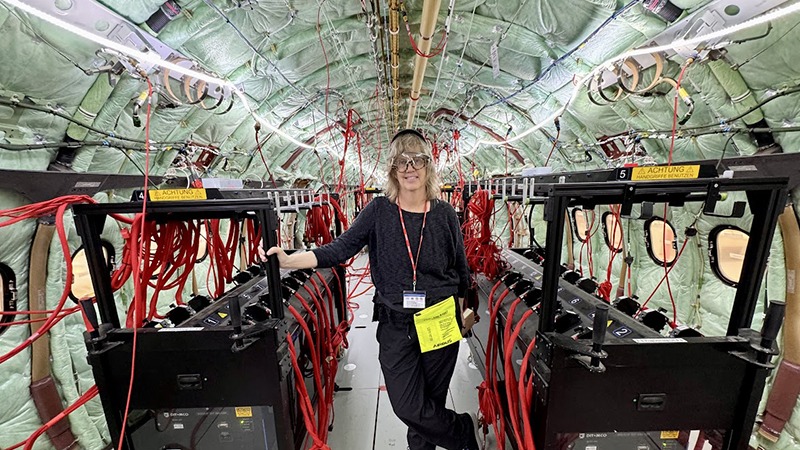
At Airbus’s assembly facility in Hamburg, the excitement surrounds Air Canada’s inaugural A321XLR, an aircraft poised to redefine transatlantic travel. This long-range single-aisle plane can cover up to 4,700 nautical miles, a leap from its predecessor, the A321LR.
Inside the A321XLR
The sleek interior of this jet is expected to house 13,000 liters of jet fuel in its rear fixed center tank, a feature making it ideal for longer flights. Airbus Production Leader Michael Witt explains that this “wet area” is critical for fuel transport, emphasizing its importance while restricting visual documentation.
The Future of Air Travel
Wearing safety gear, visitors explored the skeletal structure of the passenger cabin, where newly installed windows and advanced systems piqued curiosity. This aircraft is set to join Air Canada’s fleet by the first quarter of 2026, opening avenues to non-stop flights that can last up to 11 hours.
Operational Enhancements
Air Canada has placed an order for 30 A321XLR jets, which are anticipated to transition smoothly into its fleet, blending leased and owned models. Alexandre Lefèvre, Air Canada’s Vice President of Network Planning, expressed enthusiasm about how this model expands possibilities for route planning, particularly in unexplored markets.
Economic Benefits
The A321XLR promises approximately 12% better Revenue per Available Seat Mile (RASM) compared to the A321ceo, alongside nearly a 30% reduction in fuel burn, enhancing profitability for airlines. Its design caters to various passenger demands and anticipates supporting increased traffic in key regions.
Strategic Market Expansion
With aspirations to connect new destinations like Marrakech and Toulouse, along with bolstering existing routes to Dakar and Marseille, the A321XLR enables Air Canada to think big but operate efficiently. The aircraft’s design fits more snugly within regional demographics of Eastern Canada, broadening its operational scope.
Air Canada’s Growing Fleet
Current operations consist of a fleet of 354 aircraft, which will welcome more than 90 new additions from Airbus and Boeing within the next four years. These new aircraft will primarily facilitate growth, assisting Air Canada in expanding its market presence by over 5% annually.
Passenger Comfort and Experience
Passengers can look forward to a superior flying experience aboard the A321XLR, which will feature the latest Airspace cabin. Innovations include enhanced in-flight entertainment systems, improved meal options, and complimentary fast Wi-Fi, encapsulating Air Canada’s commitment to customer satisfaction.
Innovative Aircraft Development
With over 500 orders already placed globally, the A321XLR is hailed as a revolutionary addition to the aviation industry. Its ability to link distant markets with efficiency could transform air travel significantly. Following its introduction with Iberia Airlines, expectations are high for its impact.
Final Assembly and Future Prospects
As preparation for this groundbreaking aircraft accelerates, the fuselage will soon be completed by integrating wings and cockpit structures, following strict adherence to design specifications. Once fully assembled and branded, this airplane will undergo numerous critical tests before entering service.
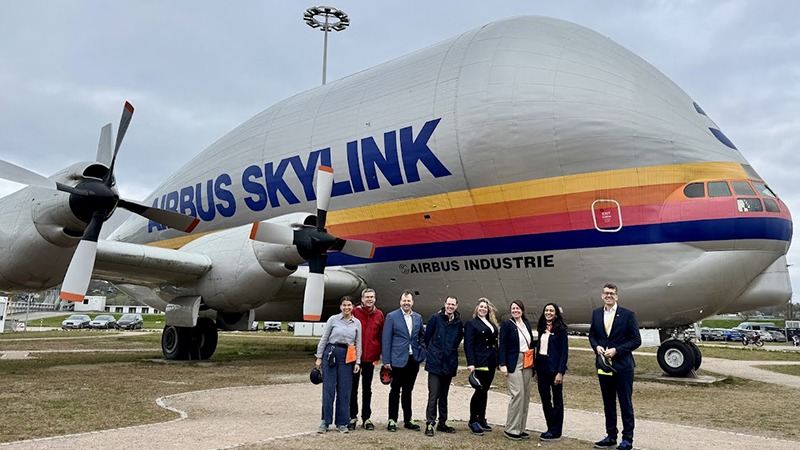
With firm industry commitments and a forward-looking strategy, the A321XLR prepares to usher in a new era of expanded transatlantic connectivity and enriched passenger experiences. The future of air travel indeed looks promising, with the A321XLR leading the charge.

