

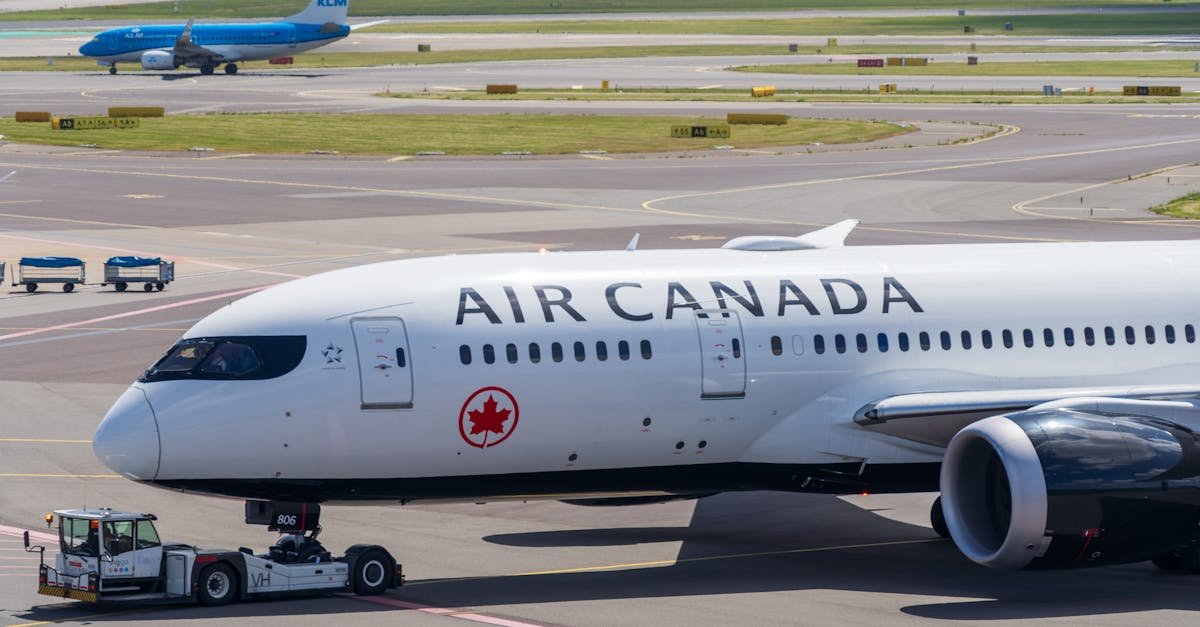
Air Canada Dubai Flights: Suspension Amid Regional Tensions
Faced with escalating tensions in the Middle East, Air Canada has confirmed the suspension of its flights between Toronto and Dubai, extending the halt until at least May 1st. This decision arises amidst significant unrest in the region, impacting not only travel operations but also the thriving tourism tied to Dubai, a city renowned for its modern architecture and vibrant beach life. This significant move by a major airline highlights the profound geopolitical influence on international travel patterns.
The suspension affects thousands of travelers who rely on this popular route for both business and leisure purposes. Air Canada’s Toronto-Dubai service has been a crucial link for Canadian travelers seeking to reach the Middle East, with Dubai serving as a major hub for onward connections to Asia, Africa, and other Middle Eastern destinations. The route typically operates three times weekly using wide-body aircraft, making its suspension a significant capacity reduction for trans-Atlantic Middle East travel.
Last communicated on March 13th via a post on X, formerly known as Twitter, Air Canada emphasized its dedication to resuming services once regional conditions stabilize. Presently, flights to Tel Aviv are also on pause, though there is an intention to resume operations by May 2nd, subject to the security landscape.
“We plan to reintroduce service gradually when flights can safely resume,” stated the airline in its recent update. The operational hiatus represents part of a broader trend among international carriers reassessing their Middle Eastern operations based on evolving security assessments and government travel advisories.
Impact on Dubai Travel and Tourism Industry
Dubai, a hub known for luxury shopping and ultramodern architecture, is experiencing unprecedented challenges as multiple international carriers adjust their operations. The city, which welcomed over 16 million visitors in 2023, relies heavily on international connectivity to maintain its position as a global tourism and business destination. The cessation of Air Canada’s Dubai flights represents just one piece of a larger puzzle affecting the emirate’s tourism recovery.
Local businesses, from five-star hotels to tour operators, are adapting to reduced visitor numbers from North America. Many hospitality providers are implementing flexible cancellation policies and offering enhanced safety protocols to reassure international travelers. The Dubai Department of Tourism and Commerce Marketing has launched initiatives to maintain confidence in the destination, emphasizing the city’s distance from conflict zones and robust security measures.
Travel agents across Canada report increased inquiries about alternative routing options, with many clients seeking reassurance about travel safety and booking flexibility. The suspension has also affected cargo operations, as Air Canada’s wide-body aircraft typically carry significant freight between the two commercial hubs.
Strategic Route Adjustments by Air Canada
Adapting to the suspension, Air Canada is implementing strategic capacity redeployments to maintain service levels on other international routes. The airline is increasing capacity on the Toronto–Delhi route with a second daily flight, and deploying larger aircraft on the Toronto–London–Mumbai route, showcasing their operational flexibility. These measures ensure alternative travel paths for Canadians and help absorb some of the displaced demand from suspended Middle Eastern operations.
Industry analysts note that Air Canada’s approach mirrors strategies employed by other major carriers during periods of regional instability. The airline’s ability to quickly redeploy aircraft and crew to alternative routes demonstrates the importance of operational flexibility in modern airline management.
Navigating Ongoing Travel Uncertainties
Air Canada’s decision reflects a cautious but necessary approach in tackling Middle Eastern travel complexities, showcasing how major airlines must adapt swiftly amid global geopolitical challenges. The airline continues monitoring the situation through government advisories, security assessments, and direct consultation with international aviation authorities.
Travelers are encouraged to remain updated through direct airline communications and consider purchasing comprehensive travel insurance for international trips. The situation underscores the importance of flexible booking policies and the value of working with experienced travel professionals who can navigate complex itinerary changes.
Looking forward, the resumption of Air Canada’s Dubai flights will depend on sustained improvements in regional stability and updated government travel guidance. The travel industry’s resilience continues to be tested, requiring both airlines and passengers to maintain adaptability as global circumstances evolve. As the situation develops, the focus remains on passenger safety while preserving essential international connectivity for Canadian travelers.

