

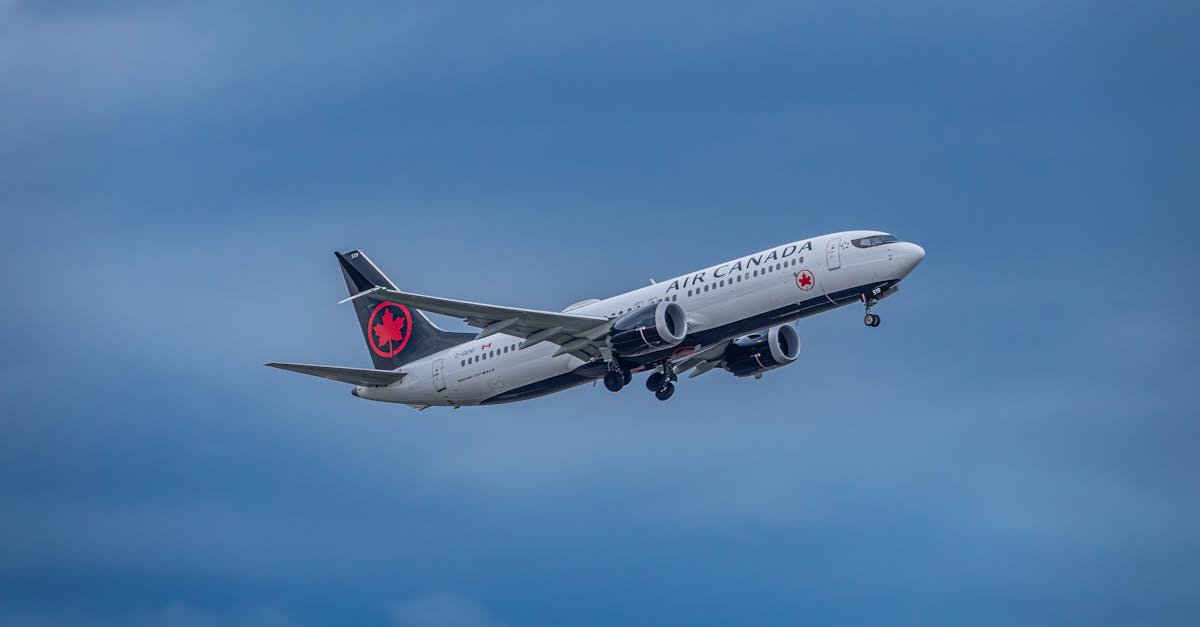
Air Canada Flight Suspension: Routes to Israel and Dubai Halted
In an unprecedented move reflecting escalating geopolitical tensions across the Middle East, Air Canada has announced the suspension of its flights to both Israel and Dubai, prioritizing passenger and crew safety above all operational considerations. This significant decision comes as key airspaces in the volatile region have been closed to commercial aviation, forcing the Canadian flagship carrier to make substantial adjustments to its international route network.
Air Canada Route Suspensions Impact Major Markets
Peter Fitzpatrick, Air Canada’s Manager of Corporate Communications, confirmed that Israeli airspace has been definitively closed to commercial flights amid rising regional tensions. The airline has consequently revised its flight schedules, with Air Canada routes to Israel suspended until March 8, and Dubai services halted until March 3. This decision follows the airline’s initial cancellation of its Canada to Dubai flight on February 28 due to similar security concerns.
Operational challenges intensified on Thursday when an Air Canada Toronto to Dubai flight was forced to turn back mid-flight, highlighting the unpredictable and rapidly evolving nature of current travel conditions in the region. Additionally, a planned return flight from Dubai was canceled, creating a cascade effect on the airline’s Middle East operations.
Under normal circumstances, Air Canada provides daily services to Dubai and manages four flights weekly to Israel, demonstrating the substantial impact these Air Canada suspensions have on the carrier’s international network and revenue streams.
Broader Industry Implications and Passenger Impact
Dubai International Airport (DXB), serving as one of the world’s busiest international hubs, connects millions of passengers annually to destinations across Asia, Africa, and the Middle East. The suspension of Air Canada routes to this critical junction severely disrupts travel plans for business travelers, tourists, and passengers using Dubai as a connecting point for onward journeys.
The ripple effects extend beyond individual inconvenience. Corporate travel managers are scrambling to reroute executives, while leisure travelers face potential losses on non-refundable hotel bookings and tour packages. The suspension particularly affects Canada’s substantial expatriate communities in the Gulf region, who rely on direct flights for visits home.
Industry analysts note that such widespread route suspensions could trigger broader implications for international aviation, potentially leading to increased ticket prices on alternative routes as demand shifts to other carriers and routing options.
Customer Assurance and Safety Commitment
Air Canada has prioritized transparent communication throughout this crisis, assuring customers of full refunds for canceled flights processed to their original payment methods. As Fitzpatrick emphasized, “We are monitoring the situation closely and will provide updates accordingly. Air Canada’s top priority is the safety of its customers, crews, and aircraft, and this will be the determining factor in our decision-making.”
The airline’s customer service teams have been reinforced to handle the surge in rebooking requests and inquiries. Air Canada is also waiving change fees for passengers who booked travel to affected destinations, extending flexibility policies that recognize the extraordinary circumstances driving these Air Canada suspensions.
Future Prospects and Strategic Outlook
As Air Canada continues monitoring the volatile situation, the airline faces complex decisions about when to resume services. Aviation security experts suggest that route resumptions will depend not only on airspace reopening but also on comprehensive safety assessments and consultation with Canadian government authorities.
For travelers planning future journeys, staying informed through official Air Canada channels remains crucial. The Canadian government continues issuing updated travel advisories for the Middle East region, and passengers should monitor both airline communications and official diplomatic guidance.
Air Canada’s measured approach to these Air Canada suspensions reflects broader industry trends toward prioritizing safety over operational continuity during geopolitical crises. As the situation evolves, the airline’s commitment to resuming normal operations remains contingent on assured safety standards and regional stability, positioning passenger welfare as the cornerstone of its operational strategy moving forward.

