

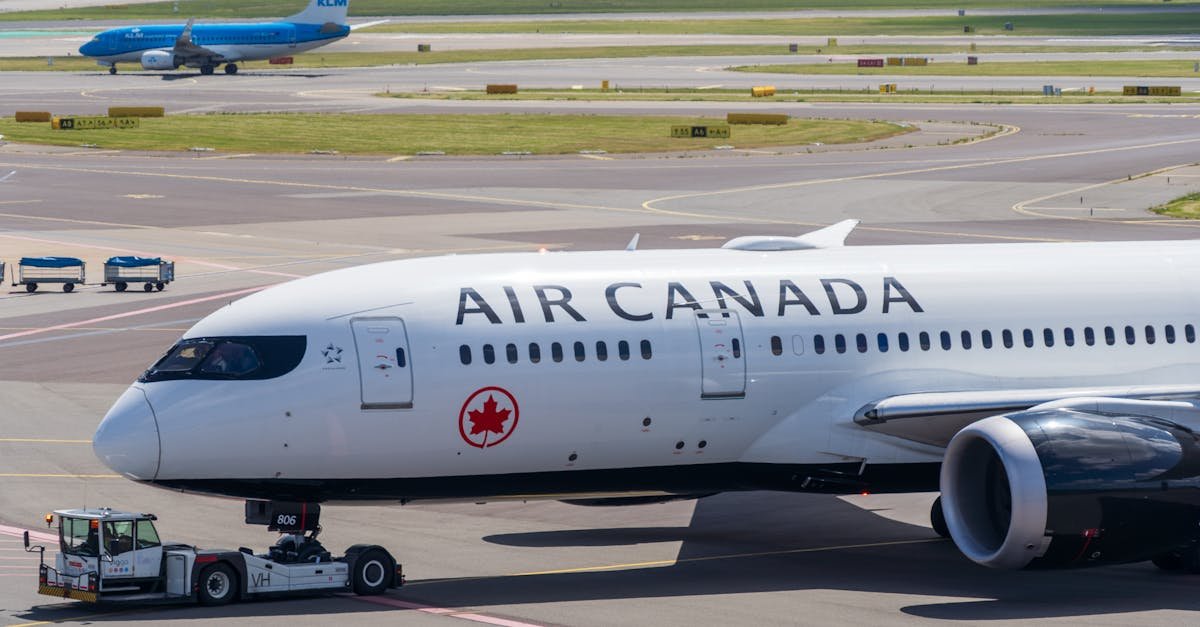
Air Canada has announced a significant extension of flight cancellations to key Middle Eastern destinations, affecting thousands of travelers planning trips to Tel Aviv and Dubai. The Canadian carrier’s latest operational adjustment extends the suspension through March 22, 2026, with services tentatively scheduled to resume March 23, pending improved regional conditions.
Air Canada Flight Cancellations Impact Major Routes
The decision to extend Air Canada flight cancellations reflects the airline’s cautious approach to the evolving security situation across the Middle East region. In an official statement posted on social media platform X, the airline confirmed: ‘Due to the military situation in the Middle East, we have cancelled flights from Canada to Israel and Dubai until March 22, with service to resume March 23.‘ This marks the third extension of the original suspension, which was initially expected to last only through early March.
The affected routes represent some of Air Canada’s most lucrative international connections, typically carrying business travelers, tourists, and passengers connecting to destinations across Asia and Africa. The suspension impacts not only direct flights to Tel Aviv’s Ben Gurion Airport and Dubai International Airport but also connecting services that many Canadian travelers rely on for onward journeys.
Expanded Geographic Impact Beyond Initial Destinations
Air Canada’s precautionary measures extend beyond the headline destinations of Tel Aviv and Dubai. The airline has also suspended or modified services to Abu Dhabi, Beirut, Amman, Erbil, and Dammam, creating a comprehensive regional adjustment that affects multiple Gulf states and Middle Eastern capitals. This broader approach demonstrates the airline’s comprehensive risk assessment strategy, considering potential spillover effects from regional tensions.
Industry analysts note that Air Canada’s decision aligns with similar measures taken by European and American carriers, creating a coordinated approach to aviation safety in the region. The suspension affects approximately 14 weekly flights across all affected destinations, representing a significant capacity reduction that impacts both leisure and business travel segments.
Passenger Rights and Rebooking Policies
Travelers holding tickets for affected flights booked before February 28, 2026, are eligible for Air Canada’s enhanced flexible rebooking policy. The airline has waived change fees and fare differences for passengers seeking to rebook to alternative destinations or defer travel plans. Customer service representatives are working around the clock to accommodate affected passengers, with priority given to travelers with urgent travel needs.
The airline has also partnered with hotel chains in affected cities to provide accommodation assistance for passengers stranded during the transition period. Additionally, Air Canada is offering full refunds without penalties for passengers who choose to cancel their travel plans entirely, a policy that goes beyond standard industry practices during irregular operations.
Industry-Wide Implications and Competitive Response
Air Canada’s extended suspension reflects broader aviation industry challenges when operating in geopolitically sensitive regions. The decision impacts not only the airline’s revenue but also Canada’s connectivity to important business and tourism markets in the Middle East. Economic analysts estimate that the suspension could affect bilateral trade relationships and tourism flows between Canada and the affected countries.
Competing airlines have adopted varied approaches to the regional situation, with some maintaining limited services under enhanced security protocols while others have implemented similar suspensions. This divergence in operational strategies highlights the complex risk-assessment calculations airlines must make when balancing safety concerns with commercial obligations.
Future Outlook and Service Restoration Plans
Air Canada executives emphasize that the March 23 resumption date remains tentative and subject to ongoing security assessments. The airline is coordinating closely with Canadian government officials, international aviation authorities, and security experts to monitor conditions across the affected region. Any decision to resume Air Canada flight cancellations or extend the suspension further will be based on comprehensive risk analysis rather than commercial pressure.
As the situation continues to evolve, Air Canada’s measured approach demonstrates the aviation industry’s increasing emphasis on proactive safety management over reactive responses. Travelers planning future trips to the Middle East are advised to maintain flexible booking arrangements and stay informed about developing conditions that may continue to impact international air travel in this strategically important region.

