

As Air Canada’s flight attendants gear up for contract negotiations aided by a federally appointed mediator, the stakes have never been higher, with influential benchmarks in play.
Recent developments in the aviation labor sector suggest a significant shift in wage expectations. A notable point of reference is Air Transat’s recently ratified contract with its cabin crew, finalized in February 2024. This five-year agreement, retroactive to November 1, 2022, includes a substantial 30% compounded wage increase, positioning Air Transat’s flight attendants as the highest paid in Canada, as detailed by Open Jaw.
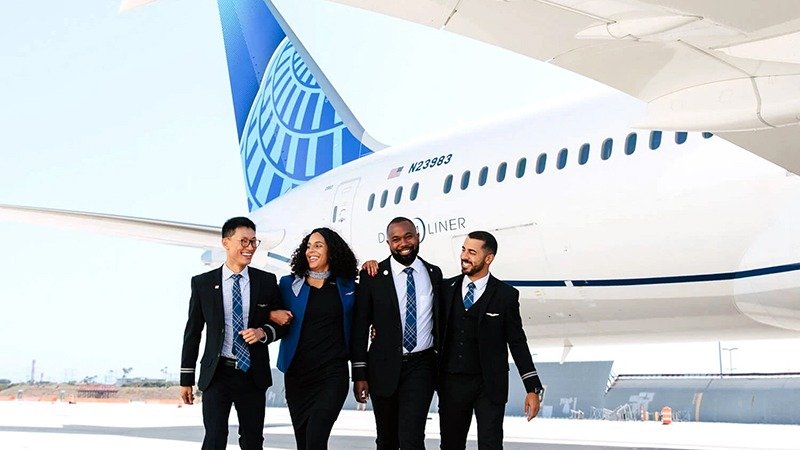
In addition to these developments, a recent tentative agreement in the United States adds fresh momentum for negotiations at Air Canada. On May 23, 2024, United Airlines and the Association of Flight Attendants-CWA (AFA) announced what they termed a “historic tentative agreement” impacting 28,000 flight attendants. This groundbreaking deal includes “industry-leading compensation” alongside improvements in various crucial aspects such as hotel accommodations, scheduling policies, and other quality-of-life measures. According to the AFA, the agreement proposes a remarkable 40% increase in total economic improvements, including retroactive pay that sets a new industry benchmark.
A former senior airline executive noted, “This sets the baseline for Air Canada. AC flight attendants will want parity – this is critical.” The confidence in comparing these contracts stems from the anticipation that United’s tentative agreement will serve as a new standard, placing added pressure on Air Canada to match or surpass these gains in wages and working conditions.
The implications for Air Canada’s flight attendants are significant. Represented by the Canadian Union of Public Employees (CUPE), they are currently at a crucial juncture in their contract talks. After months of stalled negotiations, CUPE filed for federal conciliation on May 14, 2024, aiming for enhanced wages and improved working conditions. With their previous ten-year agreement having expired in March, this move comes at a vital time for both the crew and the airline.
The timeline for negotiations includes waiting for the appointment of a federal conciliator, a process that may take up to 15 days, followed by possible negotiations lasting up to 60 days. The recent agreement at United could serve as a pivotal factor influencing expectations and strategies at Air Canada’s bargaining table. With U.S. airlines presenting significant wage gains, there’s escalating pressure on Air Canada to provide comparable improvements, particularly in key areas such as wages, scheduling, and overall quality of life for their attendants.
Cross-border comparisons are becoming increasingly relevant, despite Canadian labor laws and market dynamics having their unique nuances. CUPE has been vocal about wage gaps and the need to address inflation, tapping into the precedent set by U.S. labor negotiations, which have successfully leveraged higher compensation and benefits.
In the past, U.S. labor agreements have been effective bargaining tools in Canada’s airline industry. During the previous summer negotiations, Air Canada pilots, represented by the Air Line Pilots Association (ALPA), frequently referenced industry gains associated with U.S. carriers. Among these was a 2023 contract with United Airlines that saw pilots securing a notable 40% increase in their total compensation over four years.
As pointed out by ALPA’s Air Canada chair, Charlene Hurdy, Canadian pilots expressed a desire for contracts that align with those at competing airlines like United. In May 2024, Hurdy remarked that “Air Canada pilots make on average half of what their peers make in the United States," highlighting a significant disparity that contradicts Air Canada’s long-term growth strategy.
Similar strategies may be employed at the flight attendant bargaining table as Air Canada seeks to negotiate improved terms. With evolving industry standards and a push for increased wages, working conditions, and overall benefits, Air Canada’s flight attendants are poised to advocate for significant gains in their upcoming negotiations. As the landscape continues to shift, all eyes will be on the outcomes of these crucial talks, with potential repercussions felt across the Canadian airline industry.

