

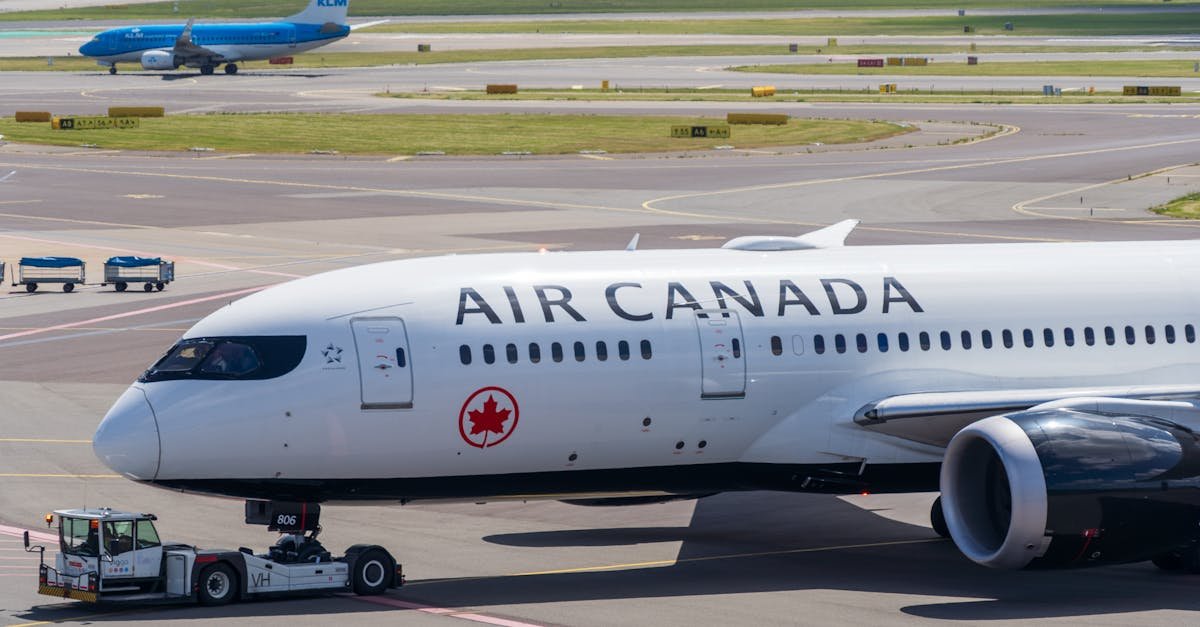
With escalating geopolitical tensions in the Middle East creating unprecedented challenges for international aviation, Air Canada flights to India have become a critical lifeline for travelers seeking alternative routes. The Canadian flag carrier is responding decisively to the crisis by significantly expanding its India service, providing safer passage options for thousands of affected passengers navigating the volatile regional landscape.
Air Canada Strengthens India Route Network
In a strategic move to address the growing demand, Air Canada will enhance its Toronto-Delhi service from March 7 through March 21, adding a daily flight to accommodate the surge in bookings. The airline is also deploying larger aircraft for its Toronto-London-Mumbai operations, effectively doubling capacity on this crucial route. This expansion represents one of the most significant short-term capacity increases in Air Canada’s recent history, demonstrating the carrier’s commitment to serving passengers during international crises.
The enhanced India services are part of Air Canada’s broader contingency planning, which includes flexible rebooking policies and extended customer service hours. Industry analysts note that this rapid capacity deployment showcases the airline’s operational agility and strategic positioning in the competitive trans-Atlantic market.
Regional Airlines Respond to Middle East Tensions
Air Canada’s proactive approach contrasts sharply with the operational challenges facing Middle Eastern carriers. Emirates postponed its Dubai flights to March 7, initially planned for March 4, citing safety concerns and airspace restrictions. The delay affects thousands of passengers and highlights the ripple effects of regional instability on global aviation networks.
Similarly, Etihad Airways has suspended regular commercial services until at least March 6, maintaining only essential repositioning and repatriation flights. Qatar Airways has also implemented selective route suspensions, while Turkish Airlines continues operating with modified flight paths that avoid contested airspace, adding approximately 45 minutes to typical journey times.
These operational adjustments reflect a coordinated industry response to minimize passenger risk while maintaining essential connectivity. Aviation safety experts emphasize that such precautionary measures, while disruptive, are necessary to ensure passenger and crew welfare.
Government Coordination and Evacuation Planning
According to Global Affairs Canada, over 97,000 Canadians are currently in the Middle East region, underscoring the critical importance of maintaining reliable evacuation routes. Foreign Affairs Minister Anita Anand has been actively coordinating with regional partners, including securing potential airspace access through Oman for emergency evacuations if conditions deteriorate further.
While no official government-sponsored evacuations have been announced, Canadian officials are urging citizens to consider voluntary departure while commercial options remain available. This measured approach mirrors strategies employed by other nations, with China, Italy, France, and Germany already initiating citizen evacuation programs from affected areas.
The Canadian government has also established a 24-hour emergency hotline and is working with Air Canada and other carriers to ensure adequate capacity for potential mass departures.
Economic Impact and Pricing Pressures
The crisis has created significant market distortions in aviation pricing, with charter flights to Europe commanding unprecedented rates of up to 200,000 euros (approximately US$232,000). Elie Hanna, CEO of Air Charter Service’s Middle East division, reports that demand has far exceeded available capacity, driving prices to historic levels.
Bryan Terry from Alton Aviation Consultancy warns that the disruptions could lead to sustained fare increases across the industry. Higher fuel costs, necessitated longer routes avoiding conflict zones, and increased insurance premiums are all contributing to elevated operational expenses. Hassan Shahidi, president of the Flight Safety Foundation, adds that increased overflight fees for alternative routing could permanently alter ticket pricing structures.
Long-term Implications for Air Travel
For travelers, these developments signal a potential shift toward more volatile pricing and scheduling in international aviation. Industry experts predict that surcharges and fare rises may become standard as airlines build contingency costs into their pricing models. Passengers are advised to maintain flexible booking strategies and consider comprehensive travel insurance.
Air Canada’s rapid response to the Middle East crisis demonstrates the evolving role of national carriers during international emergencies. As geopolitical tensions continue to reshape global aviation routes, airlines that can quickly adapt their networks and capacity will be best positioned to serve travelers and maintain market share. The coming weeks will prove crucial in determining how effectively the industry can balance safety, service, and financial sustainability in an increasingly uncertain world.

