

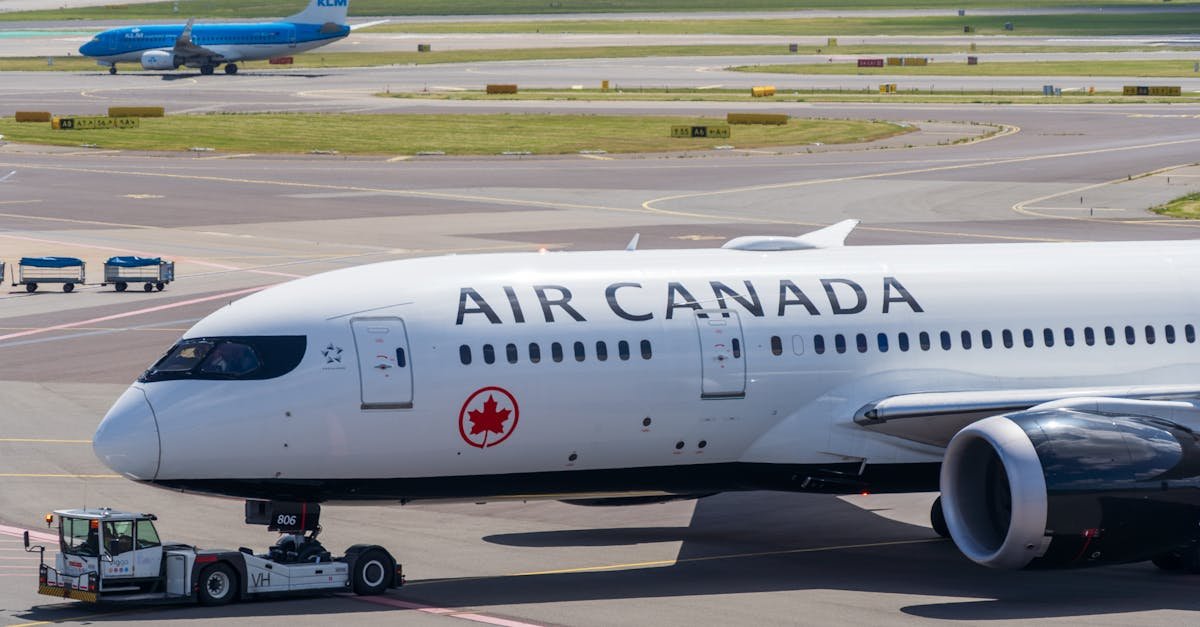
Air Canada Challenges $426,000 Penalty over Labour Disruption
In a bold stance against regulatory actions, Air Canada is actively contesting a substantial $426,000 penalty levied by the Canadian Transportation Agency (CTA). This penalty stems from a major labour disruption that occurred during August 2025, involving approximately 10,000 flight attendants and leading to extensive flight cancellations. The incident coincided with one of the busiest traveling periods of the year, affecting thousands of passengers across Canada and creating widespread travel chaos.
Record Fine Imposed Amid Labour Disputes
The Canadian Transportation Agency concluded that Air Canada had violated specific air passenger protection rules, particularly subsection 18(1.1) of the Air Passenger Protection Regulations. These infractions allegedly occurred between August 15 and 20, 2025, when the airline supposedly failed to meet flight rebooking requirements during the widespread disruptions caused by factors beyond its control.
This action by the CTA represents the largest penalty of its nature issued within the year. However, Air Canada vehemently disputes the charges. In a formal statement, the airline declared, “The notice is unfounded in law and we will contest it,” emphasizing that the penalty does not reflect the operational realities faced during the unprecedented disruption.
The penalty highlights the growing scrutiny on airlines’ responsibilities to passengers during operational crises. Industry experts note that this case could establish new precedents for how carriers must manage customer service obligations during labour conflicts, potentially reshaping the landscape of airline accountability in Canada.
Complex Challenges in Airline Strike Management
The complexities involved in managing a large-scale airline operation during a labor strike are immense and multifaceted. Air Canada asserts that it managed to rebook around 200,000 passengers even amidst the challenges presented by the labour disruption. The airline argues that the Canadian Transportation Agency did not adequately account for its efforts and proactive measures implemented to aid affected travelers.
Aviation industry analysts emphasize that labour disruptions present unique operational challenges that differ significantly from weather-related cancellations or mechanical issues. During the August crisis, Air Canada faced the dual challenge of maintaining safety standards while attempting to accommodate passengers with severely limited staffing resources. The airline implemented emergency protocols, including partnerships with other carriers and extended customer service hours, though these efforts apparently fell short of regulatory expectations.
Precedent-Setting Appeal Process
Moving forward, Air Canada plans to appeal to the Transportation Appeal Tribunal of Canada (TATC) for a comprehensive review of the penalty. The airline aims to demonstrate how regulatory agencies like the CTA could better balance enforcement actions with realistic understanding of circumstances faced during major operational disruptions. This appeal, which must be lodged by April 18, sets the stage for what could be a precedent-setting decision in aviation regulatory practices across North America.
Legal experts suggest that the appeal could result in refined guidelines for future labour dispute situations, potentially providing airlines with clearer frameworks for compliance during extraordinary circumstances while maintaining passenger protection standards.
Broader Implications for Air Travel Industry
This pushback from Air Canada illuminates the broader tension between regulatory expectations and practical constraints airlines face during emergency situations. For travelers and industry professionals, the outcome of this appeal may provide crucial insights into future airline responses and regulatory adjustments related to managing prolonged disruptions.
The case also raises important questions about passenger rights during labour disputes. Consumer advocacy groups argue that passengers should not bear the burden of airline labour relations, while industry representatives contend that extraordinary circumstances require proportionate regulatory responses.
As proceedings unfold, passengers are advised to monitor developments closely, as they could trigger significant adjustments to policies affecting travel planning and passenger compensation. Air Canada’s challenge to the penalty may ultimately pave the way for revised strategies in managing and regulating aviation operations during unforeseen labour conflicts, potentially benefiting both carriers and consumers through more realistic and practical regulatory frameworks.

