

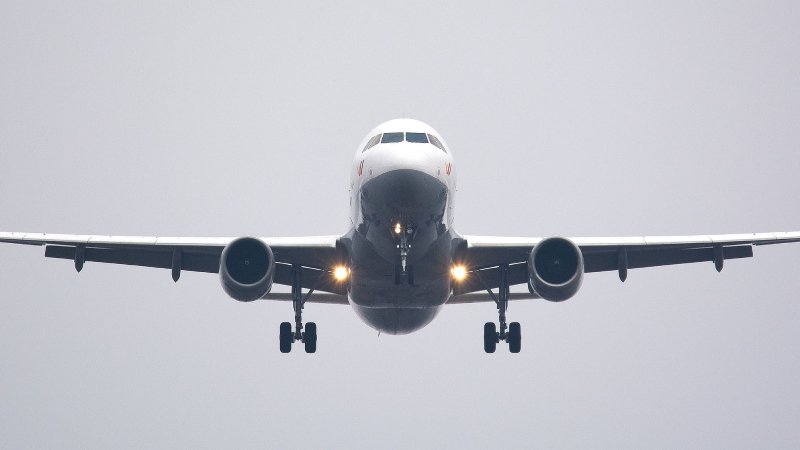
European airlines are confronting significant economic hurdles as a wave of uncertainty looms over the travel industry in 2025. Recent data indicates a worrying decline in bookings for both leisure travel within Europe and transatlantic trips to the United States. This downturn raises concerns about potential impacts on airline revenues and the broader economic landscape.
Economic Uncertainty and Its Impact on Airline Demand
As inflationary pressures mount across the continent, consumer confidence and discretionary spending have begun to stall. This shift is compounded by geopolitical tensions and fluctuating energy prices, which have further eroded traveler enthusiasm. Airlines that once thrived on strong summer holiday bookings are now grappling with reduced demand for flights, particularly to popular destinations such as Spain, Italy, and Greece.
Decline in Leisure Travel Bookings
Recent statistics show that bookings for leisure travel within Europe have seen a notable decrease. Travelers appear hesitant to commit to vacations, reflecting a trend where economic stability is paramount to confirmed travel plans. According to industry reports, significant leisure routes have experienced drops of up to 20% in ticket sales compared to prior years. Travelers are now prioritizing flexible booking options and assessing budgets more closely, leading to a dip in advanced purchases.
Effects on Transatlantic Travel to the U.S.
The demand for trips from Europe to the United States is also faltering. Economic factors are leading travelers to reconsider long-haul flights, often opting for shorter, domestic destinations instead. Numerous airlines report fewer bookings for popular American cities, which historically attracted large numbers of European tourists. As a result, airlines may need to reevaluate their flight schedules and capacity to adapt to this shifting demand.
Mitigating Strategies for Airlines
To counteract these economic challenges, European airlines are exploring various strategies. Many are investing in enhanced customer service initiatives and diversifying their routes to include emerging travel destinations, which may appeal more to cost-conscious travelers. Furthermore, airlines are prioritizing flexible pricing models to attract customers who seek value without compromising travel quality.
Future Outlook for European Airlines
As the travel sector navigates these turbulent waters, the future remains cautiously optimistic. Experts suggest that as economic conditions stabilize, there may be a resurgence in both leisure and business travel. However, airlines will need to remain agile and responsive to market changes to ensure they stay competitive in an evolving travel landscape.
For travelers and industry stakeholders alike, acknowledging these economic realities is crucial for making informed decisions about future travel plans. By staying updated on travel trends and economic indicators, stakeholders can better navigate this challenging period.
Conclusion
In summary, 2025 presents a complex scenario for European airlines, marked by falling bookings and rising economic tension. As the industry adjusts, the focus will be on adaptability and responsiveness to emerging consumer preferences, ultimately shaping the trajectory of European travel in the years to come. For more insights into the shifting dynamics of travel, you can explore resources available from Travel Weekly and ATW Online.

