

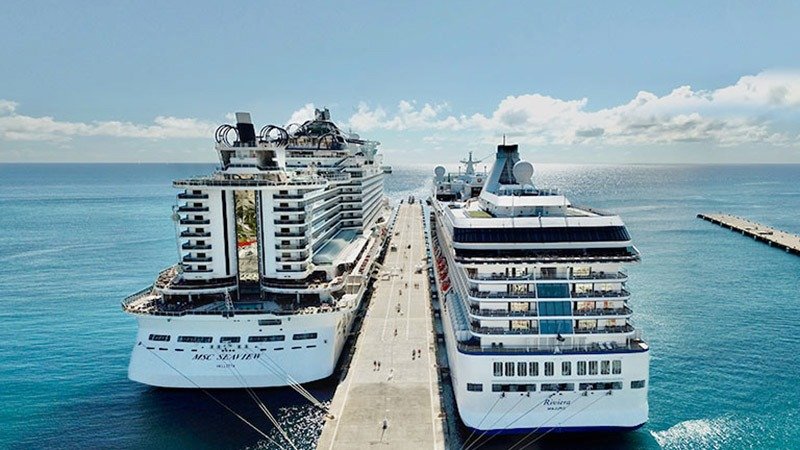
Belfast, Maine is currently weighing the possibility of banning cruise ships carrying over 50 passengers. This potential ban has emerged from growing concerns regarding port congestion and the economic impact of large vessels on the local community.
Growing Concerns Over Port Congestion
The increase in cruise ship traffic has raised alarms among Belfast residents and officials. Port congestion has become a significant issue, with larger ships creating bottlenecks that not only affect local traffic but also diminish the overall charm and accessibility of the city’s waterfront. According to city planners, an increase in large cruise ships could lead to logistical challenges, limiting access to essential services and hindering everyday activities for residents.
Economic Considerations
Beyond traffic concerns, the local government is evaluating the actual economic benefit of accommodating larger cruise ships. While tourism is critical for Belfast’s economy, sentiments have shifted toward questioning whether the revenue generated by these ships truly offsets the costs incurred, including infrastructural strain and potential environmental impacts. Many community members believe that smaller vessels, which are easier to manage and cause less congestion, could bring a more sustainable form of tourism to the area.
Community Feedback
Residents have expressed mixed feelings about the proposed cruise ship ban. Some argue that smaller ships are more in line with the city’s unique character and provide a better experience for both visitors and locals. In contrast, others worry about the potential loss of tourist dollars that could accompany such a restriction. Public meetings have been organized to gather community input, allowing residents to voice their opinions and concerns while helping officials gauge the overall sentiment toward the cruise ship industry.
Environmental Impacts
Another critical aspect that officials are considering is the environmental impact of cruise ships. Larger vessels can lead to pollution and may affect marine life in the surrounding waters. The city is evaluating its commitment to sustainability and whether a ban could preserve the natural beauty of Belfast, which is a significant draw for tourists. Studies have shown that smaller vessels typically have a lower environmental footprint compared to their larger counterparts, navigating these waters with less impact.
Looking Ahead
As Belfast deliberates this potential ban, city officials emphasize the importance of balancing tourism with the needs and desires of local residents. Potential policy changes could reflect a commitment to preserving the town’s identity while ensuring economic viability. The community’s input will play a crucial role in shaping the final decision.
Conclusion
Belfast, Maine, stands at a crossroads as it contemplates the future of cruise ships within its ports. The conversation surrounding potential cruise ship bans will continue to evolve, focusing on maintaining the delicate balance between tourism and the quality of life for residents. For updates on this developing story and further details on the benefits of sustainable tourism, visit CruiseCritic and Maine Office of Tourism.
As this debate unfolds, it exemplifies broader conversations happening in coastal communities across the nation, highlighting the complexities of tourism management in an ever-changing landscape.

