

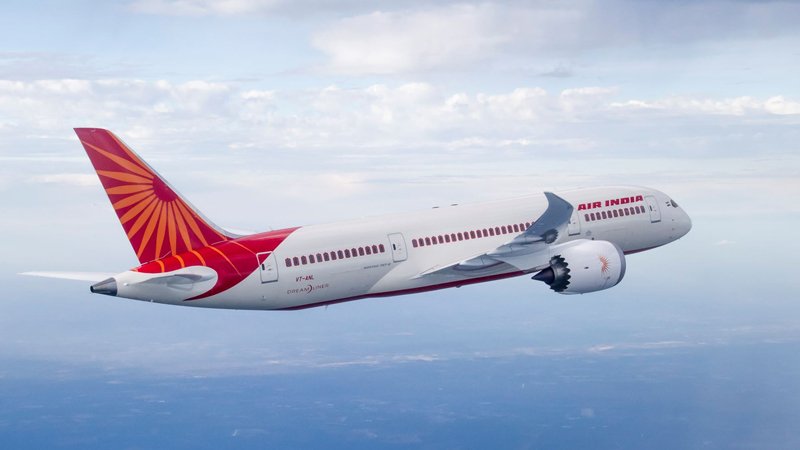
Air India is facing significant financial repercussions due to Pakistan’s ongoing ban on its airspace for Indian airlines. If the current restrictions remain in place for another year, the airline estimates potential losses approaching USD $600 million. This situation has prompted Air India to seek government compensation to alleviating the burden of increased operational costs, particularly relating to fuel and staffing, which have escalated due to the necessity of longer flight routes.
In recent correspondence, executives from Air India highlighted the financial strain incurred from rerouting flights that were previously able to utilize Pakistani airspace. Notably, these routes are essential for connecting India with destinations in North America and Europe, including Canada and the United States. The letter obtained by Reuters articulated a plea for government intervention, framing subsidies for affected international flights as a “good, verifiable, and fair option.”
The ban not only affects Air India but has broader implications for the aviation industry. Airlines typically aim to optimize their flight paths for efficiency and cost-effectiveness, making the ban a significant hurdle. With the potential loss looming, Air India’s management is advocating for a strategic response to mitigate losses and maintain operational viability.
As the scenario continues to unfold, it remains critical to monitor how this situation affects not only Air India but the Indian aviation sector as a whole. Stakeholders are advised to stay informed about developments, as government negotiations and potential adjustments to policy could play a decisive role in the resolution of this airspace dispute.
For further details on this ongoing situation, please see the full report by Times of India.

