

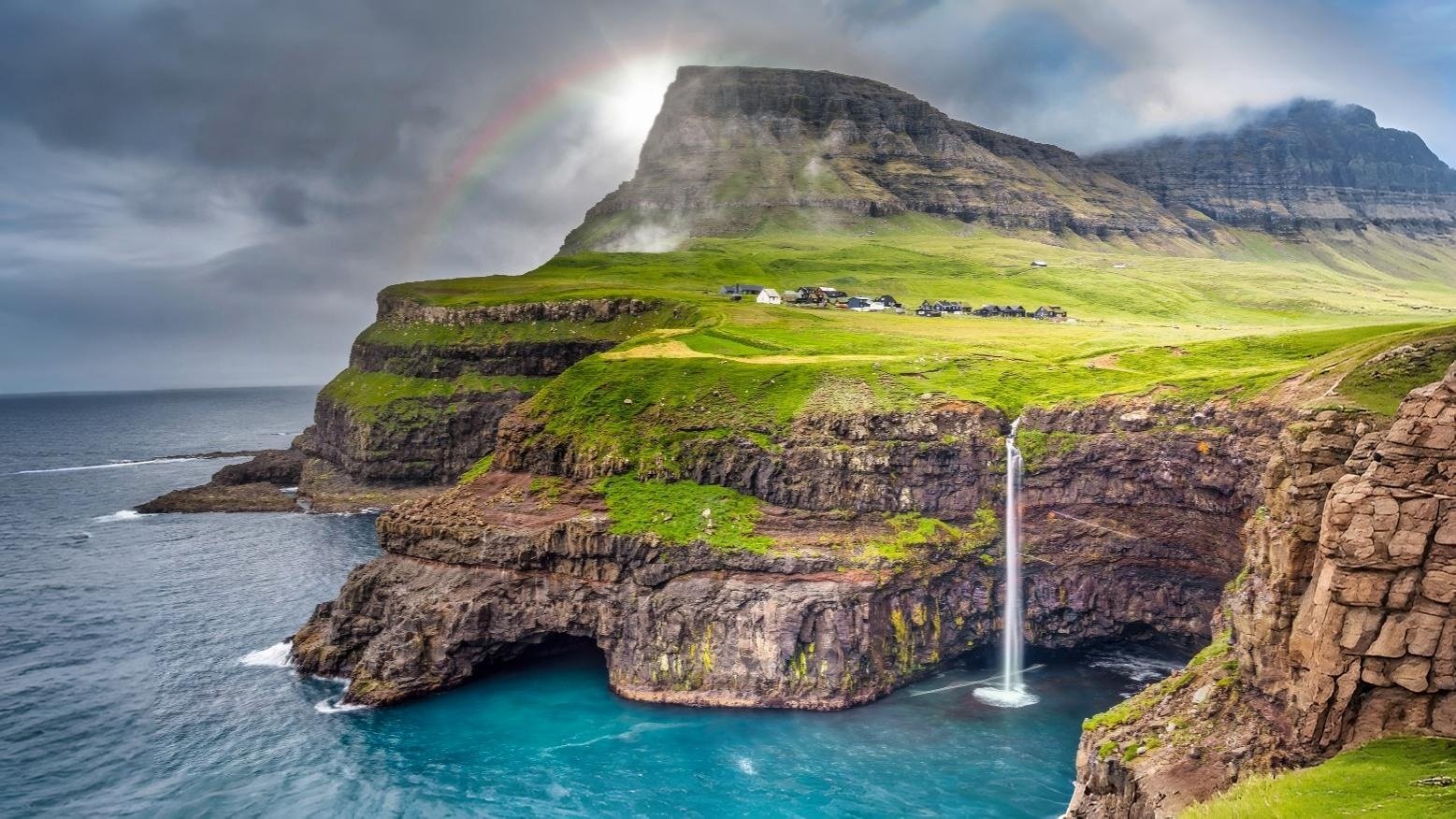
The Faroe Islands, an enchanting archipelago of 18 volcanic isles nestled in the North Atlantic, offer an unparalleled experience for travelers. Positioned strategically between Iceland and Norway, these islands boast breathtaking landscapes featuring dramatic sea cliffs, deep fjords, and colorful turf-roofed villages. Despite their small population of just over 55,000, the Faroes are rich in culture and history, making them a captivating destination for those seeking adventure and authenticity.
Nature enthusiasts flock to the Faroe Islands to witness untouched wilderness. Whether hiking across wind-swept mountains, observing puffins on Mykines Island, or soaking up the serenity of local fishing villages, each moment spent here is a reminder of nature’s power. Moreover, the culinary scene is gaining recognition for its innovative blend of Nordic traditions and local produce, making Faroese cuisine an essential part of the travel experience.
Best Time to Visit the Faroe Islands
The unpredictable climate of the Faroe Islands means you can experience all four seasons in a single day, making timing crucial for your visit. The summer months—June to August—are undoubtedly the favorite for travelers, offering mild temperatures (10-15°C) and extended daylight, perfect for exploration and outdoor activities. Cultural festivities, particularly the national holiday Ólavsøka in late July, bring the islands to life with music and traditional parades.
Spring (April-May) is quieter but marks the return of seabirds and blooming wildflowers. In autumn (September-October), golden landscapes transform the scenery, ideal for those who prefer tranquility without the summer crowds. Winter (November-March) is the most challenging season with limited daylight and unpredictable weather, but it offers a unique charm and opportunities to witness the Northern Lights.
Travel Requirements and Currency
Visiting the Faroe Islands is relatively easy, though understanding entry requirements is essential. Although part of the Kingdom of Denmark, the islands are not part of the European Union or the Schengen Zone. Most travelers from the EU, UK, USA, and Schengen countries don’t need a visa for stays of up to 90 days. Always check the latest visa requirements here before you embark on your journey.
The currency used is the Faroese króna (DKK), pegged to the Danish krone. Although Danish banknotes are widely accepted, it’s advisable to exchange or spend Faroese currency before leaving the islands. Credit cards are popular and ATMs are available in larger towns, making transactions easy.
Faroese is the official language, with Danish and English commonly spoken, facilitating communication for international visitors.
How to Get to the Faroe Islands
The main entry point to the Faroe Islands is Vágar Airport (FAE), a small but modern facility accessible from various European cities, including Copenhagen and Reykjavik. Direct flights are operated by Atlantic Airways, Scandinavian Airlines, and Icelandair, making the islands surprisingly reachable.
However, travelers should retain flexibility in their travel plans, given that the island’s weather can lead to flight delays or cancellations. In addition to air travel, the Smyril Line ferry from Hirtshals in Denmark to Tórshavn is a popular option, particularly for those wishing to bring vehicles.
Getting Around the Faroe Islands
Renting a car is the most convenient way to explore the islands. The road network is well-maintained, though expect narrow lanes, steep passes, and the occasional sheep on the road. For those preferring public transport, local buses and ferry services connect major islands and towns, providing a scenic travel alternative.
For a unique travel experience, consider the government-subsidized helicopter services, which offer affordable and breathtaking aerial views. Trails connecting various villages offer a glimpse into the islands’ rich heritage, but hikers should always come prepared for rapidly changing weather.
Must-See Attractions and Hidden Gems
The Faroe Islands are teeming with stunning sights and cultural experiences. Noteworthy highlights include Sørvágsvatn Lake, famous for its optical illusion, and Mykines Island, renowned for puffin nesting spots. The village of Gjógv, home to traditional turf-roofed houses and a scenic gorge, and Saksun, an idyllic settlement with an old farmhouse museum, showcase the islands’ rustic charm.
Tórshavn, Europe’s smallest capital, marries historic charm and modern culture, boasting the historic district of Tinganes with its red timber buildings and a robust dining scene. Top spots include Paz Restaurant, known for its modern twist on traditional Faroese cuisine.
Suggested Itineraries
For travelers with limited time, a 3-day itinerary could involve exploring highlights like Sørvágsvatn Lake and Tórshavn. A 7-day itinerary would allow for deeper exploration, including visits to Mykines, Gjógv, and the northern islands like Klaksvík.
Recommended Accommodation
Options for lodging in the Faroe Islands range from cozy guesthouses to modern hotels. In Tórshavn, Hotel Føroyar offers stunning views and a well-praised breakfast buffet, while Hotel Brandan features a stylish design and sustainable practices. For a family-run experience, Gjáargarður Guesthouse in Gjógv is highly recommended, while budget travelers may consider local campsites.
Final Thoughts
The Faroe Islands are not merely a destination, but an adventure filled with picturesque landscapes and authentic cultural experiences. Whether you’re hiking cliffside trails or savoring local flavors, the islands immerse you in the beauty of simplicity and the power of nature.
Plan your visit to this hidden gem, and prepare for an unforgettable journey into one of Europe’s most captivating destinations. Explore more about the wonders of the Faroe Islands and start planning your adventure today!

