

Embarking on a cruise, especially for the first time, can be a thrilling yet daunting experience. For many, the term ‘cruise’ conjures images of older travelers on strict schedules with limited opportunities for spontaneity. However, modern cruising has evolved, revealing diverse styles that cater to various preferences. This guide provides insights and valuable tips to enhance your inaugural cruise experience, whether you are drawn to the remote landscapes of expedition cruises or the lively atmosphere of traditional ocean cruises.
1. Select the Right Cruise Type
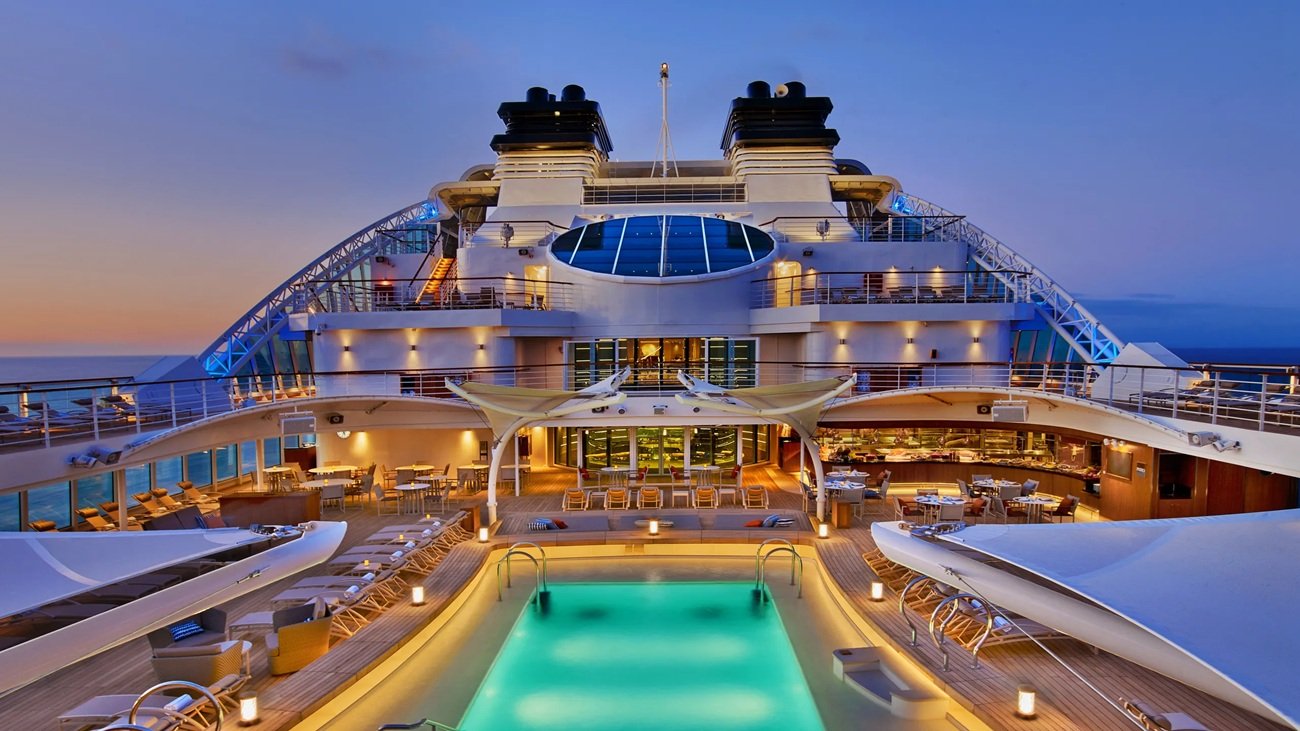
Choosing the right cruise is essential. Traditional cruises, such as those navigating the Caribbean or Mediterranean, often offer a variety of onboard activities, dining options, and entertainment, making them ideal for travelers seeking vibrant social experiences. For instance, larger ships resemble floating resorts with amenities like pools, casinos, and theaters.
Conversely, expedition cruises focus on adventure and discovery, typically aboard smaller vessels that access remote destinations like Antarctica or the Arctic. These journeys offer a richer connection to nature, involving activities like hiking or wildlife spotting. Notably, luxury expedition ships, such as the Seabourn Venture, provide an elegant yet intimate atmosphere, fostering meaningful excursions and interactions.
2. Manage Expectations Regarding Schedules
Cruising is often celebrated for the excitement of waking up in a new destination daily. However, this experience comes with structure. Traditional cruises operate on fixed schedules, dictating time ashore. While this can feel restrictive at points, it allows for a unique rhythm, balancing exploration and relaxation.
In expedition cruising, schedules can be more flexible due to weather conditions, potentially leading to spontaneous wildlife sightings or scenic diversions. Embracing the ship’s timetable can transform perceived limitations into a reassuring framework that maximizes enjoyment.
3. Packing Strategically
Packing efficiently is crucial, particularly on expedition cruises where waterproof gear may be provided. Layering clothing for changing weather conditions is vital. While traditional cruises may warrant a broader wardrobe, including evening attire, remember that cabin space is more limited than a hotel room.
Utilizing packing cubes can aid organization, and crucial items like sunscreen, chargers, and medications should be kept in your carry-on to avoid delays upon boarding.
4. Understand Onboard Life
The onboard atmosphere varies significantly between cruise types. Traditional cruises brim with activities, ranging from shows and dance nights to fitness classes, fostering a lively, social environment. In contrast, expedition cruises emphasize enrichment and reflection. Evenings may involve expert talks or quiet conversations with fellow travelers, appealing to those seeking a more serene experience.
5. Focus on Excursions
Excursions are often the highlight of any cruise, enhancing the overall experience. On traditional cruises, they may include guided city tours and cultural performances. Expedition cruises, however, offer unique adventures like kayaking among icebergs or hiking on untouched landscapes. With limited capacity on excursions, booking in advance is advisable to secure memorable experiences. Unexpected occurrences, like spotting whales, can lead to delightful surprises that add to the journey’s richness.
6. Flexibility with Excursions
Travelers are not obliged to join every excursion. Using options to stay aboard or explore independently can provide tranquility on busy cruise days. Enjoying a book in a quiet lounge or sipping coffee in a local café can be equally rewarding. This freedom allows for a personalized experience, shaping the cruise according to individual preferences.
7. The Rewards of Solo Cruising
Solo cruising can be an enriching experience, debunking the myth that traveling alone is isolating. With communal dining and organized excursions, solo travelers find ample opportunities to connect with others, share stories, and form friendships. The flexibility of choosing social interactions or enjoying solitary moments is empowering, making cruising solo not only feasible but enjoyable.
8. Seek Serenity at Sea
Cruising offers moments of serenity in an often hectic world. Whether aboard an expedition ship or a larger vessel, finding quiet spots—like private balconies or secluded lounges—can enhance relaxation. Enjoying the gentle motion of the ship and the sound of waves creates a serene ambiance, perfect for reflection.
9. Recognize Demographics
Cruise demographics can vary widely between lines. Luxury and expedition cruises typically attract a more mature audience seeking enrichment and comfort rather than nonstop entertainment. Understanding the age range and interests of fellow travelers can enhance the social experience onboard, allowing for engaging conversations and enriching connections.
10. Disconnect to Connect
Amidst our digital age, cruising presents an opportunity to disconnect. Internet access can be spotty or costly, allowing travelers to savor genuine moments without distractions. This temporary digital detox fosters mindfulness, enabling deeper engagement with the surrounding beauty and fellow travelers.
Final Thoughts
Cruising blends adventure and leisure, offering a unique travel rhythm that emphasizes comfort and exploration. Whether you opt for an expedition journey or a vibrant traditional cruise, preparations that align with your preferences will ensure a memorable experience. Embrace the essence of cruising as a harmonious balance of discovery and relaxation, and discover if this adventure opens a door to a lifelong passion for the sea.
For additional cruising insights, visit Cruise Critic or The Points Guy for reviews and recommendations.

