

High Travel Costs Outrank Political Concerns for Industry Leaders
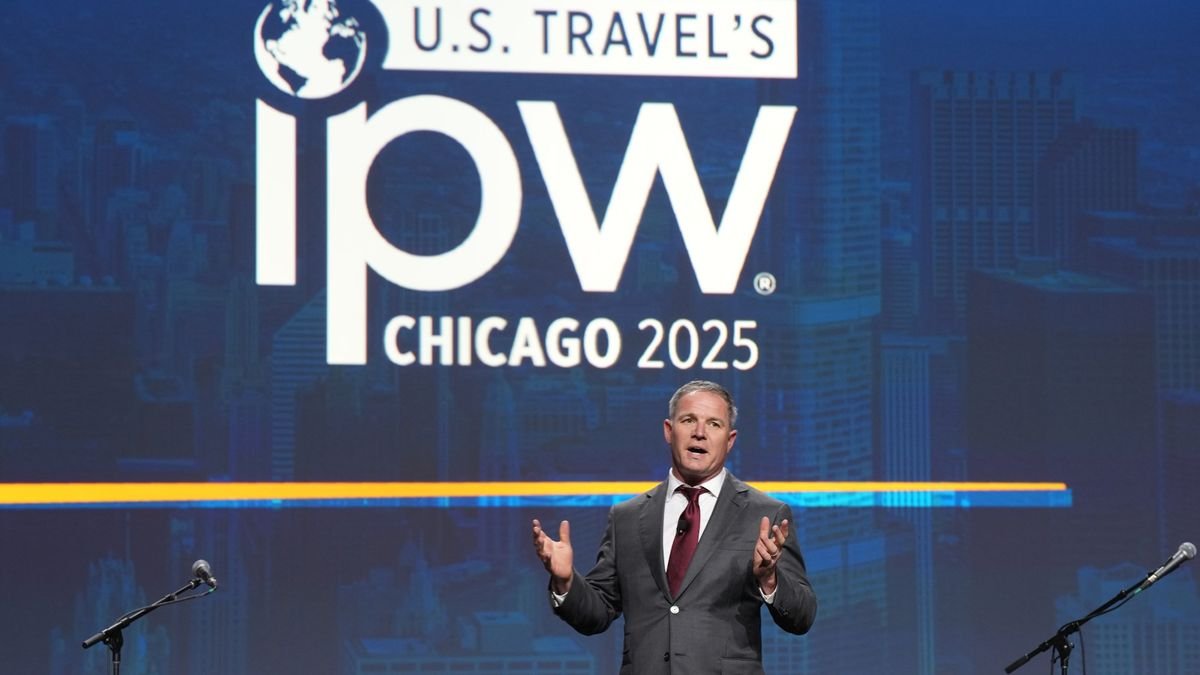
In a recent statement at the U.S. Travel’s annual IPW conference, U.S. Travel Association CEO Geoff Freeman emphasized that soaring travel prices are the primary concern for U.S. travelers, surpassing worries related to presidential policies. “As I walk on the floor here and talk to people, the biggest concern I hear from buyers is not about administration policy. The number one concern I hear is the cost of travel,” Freeman remarked on June 16.
Freeman pointed to everyday experiences of travelers to illustrate this point; for example, he mentioned an alarming $8 latte that shocked many customers. “That’s just a really expensive latte. And it’s fair to say that could be a shock for many travelers and it’s something we’ve got to pay attention to,” he added.
Current Trends in Inbound Travel
While Freeman acknowledged a slight decline in inbound travel, he characterized the overall situation as “fine,” except for visitors from Canada. He stressed that this is a missed opportunity, stating, “We should be driving an increase year-over-year in inbound travel to the United States.” According to the National Travel & Tourism Office, the latest overseas visitation data revealed an 8% year-over-year increase in April, followed by a modest 2.8% decrease in May.
The year-to-date international visitation figures indicate a 0.8% drop, primarily due to a weak March that saw an 11.6% decline in travel. Notably, these statistics do not include visitors from Canada or land crossings from Mexico, which are significant sources of travelers to the U.S.
Media Coverage and Perception Issues
Freeman took a critical stance on the media’s portrayal of the state of inbound travel, labeling the narrative as exaggerated and misleading. “There’s been a ‘handwringing, sky is falling’ narrative about inbound travel in the media. That’s not what the numbers say,” he stated. He attributed a portion of the decline in inbound travel to issues specifically related to Canadian tourists, noting that Canada is a market facing undeniable challenges.
“Canada is a market where the decline cannot be debated, and it also can’t be argued why they’re doing it. They’re rallying around their flag, and we’ve got work to do to earn their business in the future,” Freeman warned.
Government Initiatives for Tourism
Freeman expressed disappointment over the mainstream media’s inclination to use the travel sector as a tool to criticize the administration, implying that they are framing the travel industry as a victim of policy flaws. He acknowledged gestures made by the administration to project a welcoming environment for travelers, such as the launch of the World Cup Task Force, where prominent political figures articulated their desire for international visitors. “We want you to come to America,” they declared, signaling a shift in tone.
Nonetheless, he noted that there is room for improvement in assuring potential tourists of their safety and comfort while visiting the U.S. “I think we have to acknowledge that a perception has formed that the U.S. is not as welcoming as it was,” Freeman stated. He highlighted the impact of customs procedures, which may deter potential visitors who fear they could face scrutiny or delays. A collaborative effort involving the White House, the Department of Homeland Security, and Brand USA is essential to enhance this perception and demonstrate commitment to attracting global travelers.
As the U.S. aims to elevate its status as a premier travel destination, addressing high travel costs and improving the country’s image will be crucial in revitalizing international interest. The travel industry remains optimistic, but effective strategies will be necessary to transform these challenges into opportunities for growth.

