

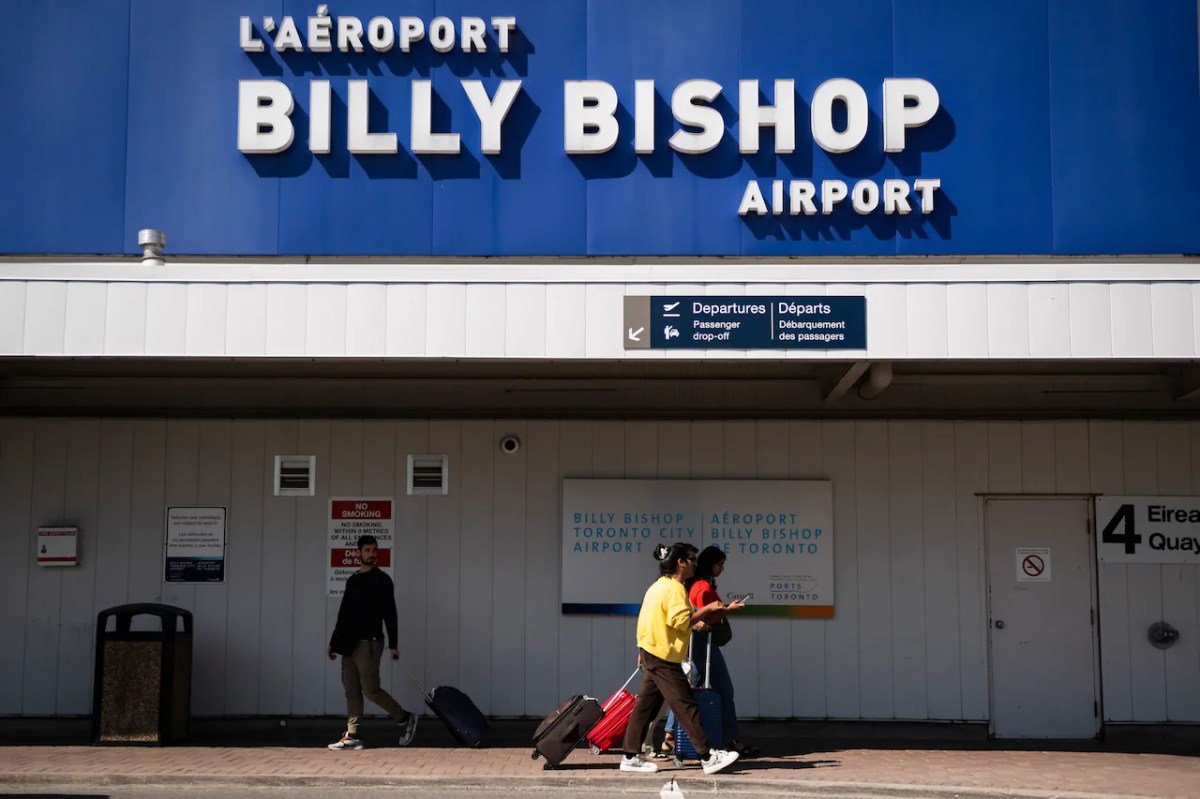
Ontario Unveils Massive Billy Bishop Airport Expansion in Downtown Toronto
Billy Bishop Airport expansion plans have taken a dramatic leap forward as Ontario designates the facility as part of a special economic zone. Announced on May 28, 2026, this pivotal decision promises expansive development, including possible land reclamation from the Toronto Islands to support Premier Doug Ford’s comprehensive airport strategy that could reshape Canada’s aviation landscape.
Billy Bishop Airport Expansion: A New Strategic Vision
Transportation Minister Prabmeet Sarkaria has unveiled an ambitious transformation plan for Billy Bishop Airport that positions the facility as a cornerstone of Ontario’s transportation infrastructure. Located strategically near downtown Toronto, the airport is set for unprecedented expansion under enhanced provincial leverage over strategically important lands. The proposal represents a fundamental shift in how regional aviation hubs operate in major metropolitan areas.
Central to this initiative is the renegotiation of Toronto’s role in the tripartite agreement with the federal government and the Toronto Port Authority (TPA). This complex arrangement has governed airport operations for decades, but provincial officials believe new frameworks are necessary to unlock the facility’s potential. Sarkaria has assured stakeholders of collaborative efforts, stating, “We’re going to work with the Toronto Port Authority to ensure progress… deploying special economic zones necessary for this project to advance.”
The ambitious vision earmarks the Billy Bishop Airport expansion as a “nation-building project,” potentially boosting the airport’s annual passenger capacity from two million to ten million. This five-fold increase would transform Billy Bishop into a major player in Ontario’s air travel landscape, rivaling larger international airports in capacity and service offerings.
Industry Impact and Economic Implications
Aviation industry experts suggest the Billy Bishop Airport expansion could fundamentally alter travel patterns across the Greater Toronto Area. The enhanced capacity would enable airlines to introduce new routes, potentially connecting Toronto directly with secondary European cities and expanding domestic service to underserved markets. Industry analysts project the expansion could generate thousands of jobs in aviation, hospitality, and supporting industries.
The economic zone designation provides unique advantages, including streamlined regulatory processes and potential tax incentives for aviation-related businesses. This approach mirrors successful airport development models in Asia and Europe, where integrated aviation hubs have become economic catalysts for entire regions.
Controversies and Local Opposition
Despite notable economic prospects tied to the Billy Bishop Airport expansion, the plan has ignited significant community debate across Toronto’s waterfront neighborhoods. Critics, including Toronto Mayor Olivia Chow, view the province’s approach as a case of “provincial overreach” that undermines municipal autonomy. Chow has demanded transparency, asserting, “We have not seen a formal proposal for airport expansion. The province and the Toronto Port Authority must stop keeping Torontonians in the dark and release their plans now.”
Environmental concerns dominate local opposition, with potential implications for air quality around Toronto’s celebrated waterfront due to the introduction of jets and lengthened runways. Conservation groups worry about impacts on migratory bird patterns and Lake Ontario’s ecosystem. Noise pollution represents another significant concern for residents in nearby communities who currently enjoy relatively quiet waterfront living.
Traveler Benefits and Service Enhancements
For travelers, the Billy Bishop Airport expansion promises substantial improvements to the Toronto aviation experience. Increased flight frequency could reduce seasonal bottlenecks that currently plague Toronto Pearson International Airport during peak travel periods. Competitive pricing is expected as airlines compete for slots at the expanded downtown facility, potentially offering travelers more affordable options for both domestic and international travel.
The downtown location provides unparalleled convenience, with quick access to Toronto’s financial district, entertainment venues, and major hotels. Enhanced destinations could include direct flights to emerging markets in Asia and expanded service to European secondary cities, positioning Toronto as a more accessible gateway for international business and leisure travel.
The Path Forward
Final timelines for the Billy Bishop Airport expansion remain under development, yet the project commands intense interest from stakeholders across the aviation industry. Federal approval will be crucial, as will ongoing negotiations with municipal authorities and community stakeholders. As the expansion progresses, Billy Bishop Airport will attract international attention, with aviation experts closely monitoring its potential to reshape urban airport development models globally.
The success of this ambitious Billy Bishop Airport expansion could establish a new paradigm for downtown aviation hubs, influencing similar projects in major cities worldwide while transforming Toronto’s position in global air travel networks.

