

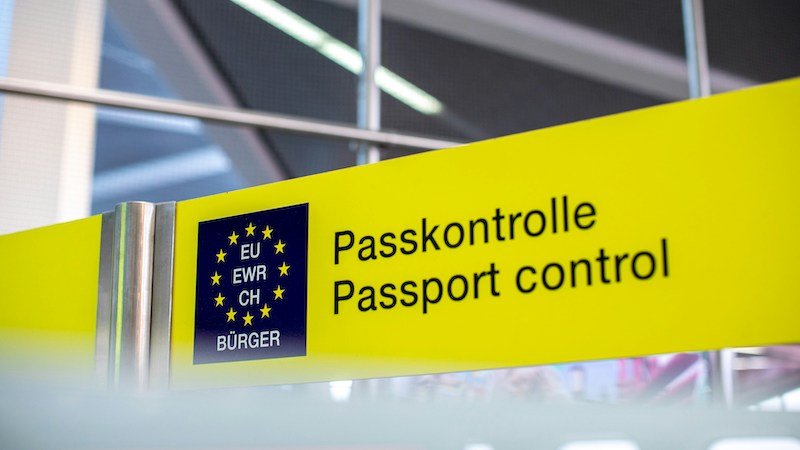
EES System Chaos Unfolds Across European Transit Hubs
European airports are experiencing unprecedented disruptions as the newly implemented Entry-Exit System (EES) creates widespread EES system chaos throughout the continent. This digital framework, designed to replace traditional passport stamps for non-EU travelers entering the Schengen area, launched in April with promises of enhanced efficiency. However, the reality has proven starkly different, with major transit hubs across Europe reporting significant delays, technical malfunctions, and mounting traveler frustration.
The EES system requires non-EU visitors to provide biometric data including fingerprints and facial scans upon entry, creating a comprehensive digital record of border crossings. While conceptually sound, the implementation has revealed critical infrastructure gaps and operational challenges that airports struggle to address. Travel industry professionals, who initially welcomed the modernization effort, now find themselves managing client expectations amid widespread disruptions.
Judith Coates, founder of Wired for Travel, initially maintained optimism about the system’s potential. She noted,
I asked my Europe-bound clients to report any holdups at airports, and so far, they said it’s been clear sailing.
However, subsequent reports from travelers and industry insiders paint a dramatically different picture of systematic breakdowns and operational chaos across multiple airports.
Lisbon Airport Becomes Epicenter of EES System Chaos
Portugal’s Humberto Delgado Airport in Lisbon has emerged as a primary focal point for EES system chaos, with international passengers facing unprecedented delays and missed connections. The situation reached critical levels when CNN’s chief international correspondent Clarissa Ward publicly described the experience as “a total cluster f*$k” after missing her scheduled flight due to extensive processing delays.
Beth Beier Tomalty from TierOne Travel has documented consistent two-hour wait times for clients arriving in Portugal, raising serious concerns about the system’s viability during peak travel periods. “We haven’t even hit the summer peak,” she warns, indicating that current passport control problems may intensify dramatically as seasonal travel volumes increase.
Technical failures compound the human resource challenges at Lisbon’s facilities. Karen Dahdah, an Open Jaw contributor, reports systematic issues with biometric kiosks failing to read passports properly, inadequate multilingual signage creating passenger confusion, and insufficient backup procedures when automated systems malfunction. These technical shortcomings often necessitate manual processing, effectively negating the efficiency gains the EES system was designed to provide.
Paris Charles de Gaulle Struggles with Schengen Entry Bottlenecks
France’s busiest international gateway, Paris Charles de Gaulle airport, faces similar challenges as Schengen entry issues multiply across its terminals. Understaffed immigration stations, combined with malfunctioning EES kiosks, have created perfect storm conditions for passenger processing delays. The airport’s complex layout exacerbates these problems, with overflow queues extending into retail areas and creating safety concerns.
British traveler David Newton documented his harrowing experience, stating,
The queues for passport control stretched into duty-free areas…It took about five hours to get through.
Such extreme delays have prompted airlines, including budget carrier Ryanair, to formally request suspension of biometric system requirements during the upcoming summer travel season.
Industry Response and Traveler Preparation Strategies
Travel industry professionals are rapidly adapting their advisory services to address EES system chaos realities. Lesley Paull, co-founder of Paull Travel, now counsels clients to build substantial buffer time into their European itineraries. She identifies “facial scanning and fingerprinting as the major factors slowing down the system,” while noting that despite current challenges, European airports generally maintain superior efficiency compared to many U.S. counterparts.
Airlines are implementing contingency measures including rebooking policies for passengers affected by immigration delays and coordinating with airport authorities to identify alternative processing solutions. Travel insurance companies report increased claims related to missed connections and extended delays, prompting policy adjustments to cover EES-related disruptions.
Future Outlook and System Refinement Efforts
As European authorities work to address these systematic challenges, the travel industry braces for what many experts consider a critical testing period. The approaching summer travel season will likely determine whether the EES system can evolve to meet demand or if fundamental restructuring becomes necessary.
Airport authorities across the Schengen area are implementing emergency staffing measures and accelerating technical support protocols. However, with peak travel volumes expected to increase by 15-20% over previous years, the EES system chaos may intensify before stabilizing, making traveler preparation and industry adaptation essential for navigating this transitional period.

