

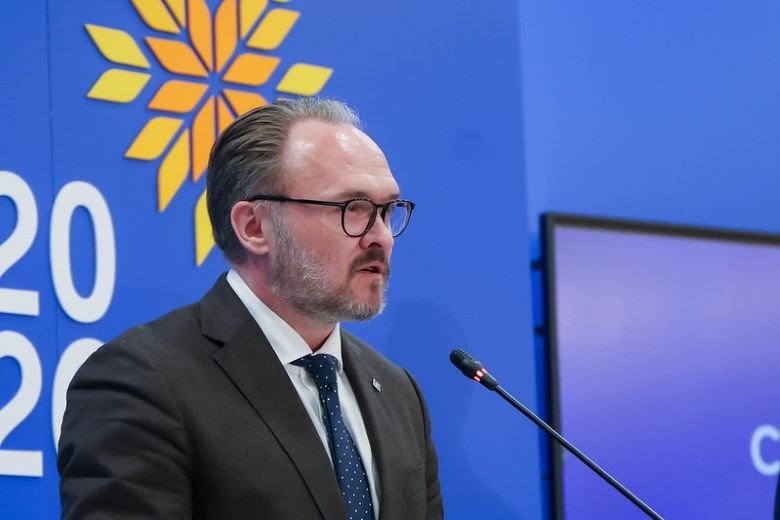
EU Energy Commissioner Warns of Impending Jet Fuel Shortage Risk
In a pivotal declaration with significant implications for worldwide air travel, European Union’s Energy Commissioner Dan Jørgensen has sounded an alarm about the looming threat of a jet fuel shortage. During an address in Nicosia, Cyprus, he illuminated the precarious nature of jet fuel availability, highlighting persistent geopolitical tensions affecting oil supplies, particularly due to Iran’s stance and disturbances in the Strait of Hormuz.
Jet Fuel Shortage and Geopolitical Tensions
The Strait of Hormuz, a vital maritime corridor through which approximately one-fifth of the world’s oil is transported, has become a focal point of concern. Recent conflicts in this region have precipitated substantial increases in fuel prices globally. Though immediate shortages have not come to pass, Jørgensen has underscored the EU’s proactive stance, initiating dialogues with member states to counter potential disruptions proactively.
“We’re not there yet,” reiterated Jørgensen, offering measured reassurance but stressing the urgency of strategic foresight. He indicated that any potential jet fuel shortage would heavily rely on the ever-shifting dynamics of international crises affecting oil conduits and supply chains. In response to escalating fuel costs, airlines like the German flagship carrier Lufthansa have already taken preemptive actions, trimming flight operations to manage financial burdens.
The aviation industry’s vulnerability to fuel supply disruptions extends beyond European carriers. Major international airlines are reassessing their route networks and fuel hedging strategies to mitigate potential risks. Industry analysts suggest that a prolonged jet fuel shortage could force carriers to consolidate routes, prioritizing profitable long-haul destinations while reducing frequency on regional services.
Industry and Economic Impact on Travelers
Insights from the International Energy Agency (IEA) provide a stark perspective on the matter. IEA Chief Fatih Birol emphasized that Europe’s jet fuel reserves could sustain current consumption for approximately six weeks, cautioning about possible flight cancellations if disruptions prevail.
For travelers, the implications are far-reaching. Industry experts predict that airfares could increase by 15-25% if fuel costs continue their upward trajectory. Popular European vacation destinations, including Greece, Spain, and Italy, may see reduced flight frequency during peak summer travel seasons. Business travelers face particular challenges, with corporate travel managers already reporting budget constraints forcing companies to limit non-essential trips.
Beyond immediate challenges, Jørgensen casts the crisis as a reflection of the enduring dependence on fossil fuels. Despite the EU’s strides towards energy diversification, its vulnerability persists. The 2022 Russian invasion of Ukraine served as a wake-up call to expedite measures towards energy resilience, prompting accelerated investments in alternative fuel infrastructure.
Moving Forward with Energy Transition
The EU continues its commitment to energy transition, aiming for a sweeping 90% reduction in greenhouse emissions by 2040. Meanwhile, Cyprus’s Energy Minister Michael Damianos acknowledges existing dependency, even as recent natural gas finds off the southern coast indicate promising prospects for regional energy security.
Airlines are increasingly investing in sustainable aviation fuel (SAF) initiatives, though current production capacity remains insufficient to meet industry demands. Major carriers are partnering with biofuel producers and exploring hydrogen-powered aircraft technology as long-term solutions to reduce fossil fuel dependency.
Looking forward, the EU is keen to forge alliances with Gulf states to cultivate stable, conflict-resistant energy initiatives detached from regional volatility. These strategic engagements with Persian Gulf nations are envisioned as a pathway to secure global energy distribution, mitigating risks linked to geopolitical tensions.
Conclusion and Future Prospects
As jet fuel shortage concerns intensify and prices surge, more than doubling in specific markets since last February, airlines confront the conundrum of elevated operations costs while pursuing greener energy pathways. For travelers, this translates into potential airfare hikes as carriers aim to counterbalance rising expenses.
The EU’s ominous forecast catalyzes crucial dialogues about quick, actionable steps toward energy autonomy—clearly demonstrating the necessity of enduring solutions to safeguard against imminent economic and operational upheavals. Continued focus on sustainable energy initiatives and international cooperation will be essential to navigate the challenges ahead, ensuring that global air travel remains accessible while transitioning to more sustainable fuel alternatives.

