

Air Canada Ends Berlin Route Early, Impacting Transatlantic Options
Air Canada’s unexpected decision to terminate its Montreal-Berlin route ahead of schedule represents a significant shift in the airline’s transatlantic strategy, leaving travelers with fewer direct flight options between Canada and Germany’s capital. Originally slated to operate until October 10, 2026, the route will now conclude on September 5, 2026, cutting the service short by more than a month during peak autumn travel season.
The early termination was accompanied by the cancellation of a planned frequency increase that would have added a fourth weekly flight between August 23 and September 7, 2026. This reduction comes at a time when European destinations are experiencing renewed post-pandemic demand, making the timing particularly surprising for industry observers.
Strategic Implications of Ending the Berlin Route
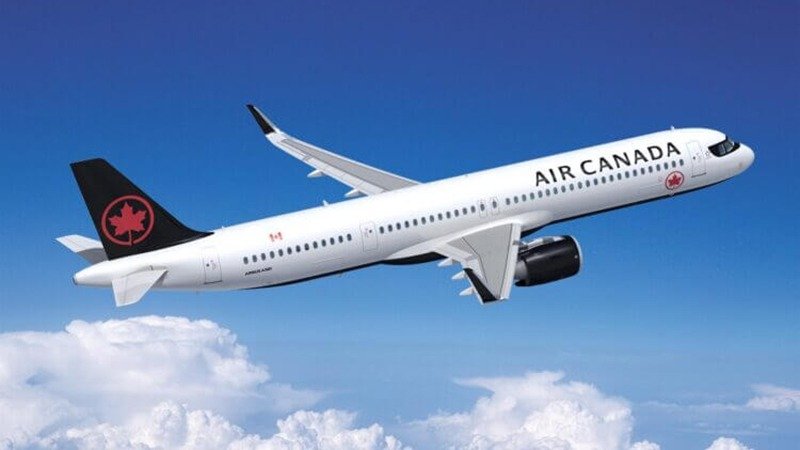
The premature conclusion of the Montreal-Berlin route signals Air Canada’s evolving approach to transatlantic operations, prioritizing profitability over route expansion. The service utilized the airline’s newest fleet addition, the state-of-the-art Airbus A321XLR, which features advanced long-haul capabilities designed specifically for routes like Montreal to Berlin.
This narrow-body aircraft, equipped with lie-flat business class seats and enhanced passenger amenities, was positioned as a cornerstone of Air Canada’s premium service offerings. The aircraft’s fuel efficiency and extended range made it ideal for thinner transatlantic routes that couldn’t support larger wide-body aircraft operations.
Industry analysts suggest the route’s discontinuation may reflect challenging yield management on the Montreal-Berlin corridor, despite Berlin’s growing popularity as a business and leisure destination among Canadian travelers.
Impact on Travelers and Alternative Options
The route cancellation particularly affects business travelers and tourists who relied on the convenient direct connection between Montreal and Berlin. Passengers will now need to connect through major European hubs like Frankfurt, Amsterdam, or Paris, adding significant travel time and complexity to their journeys.
Montreal’s German-Canadian community, estimated at over 50,000 residents, will feel the impact most acutely, as they lose their primary direct link to Germany. The timing also disrupts plans for travelers hoping to visit Berlin during Oktoberfest season and autumn cultural events.
Travel agents report increased inquiries about alternative routing options, with many clients expressing frustration about longer connection times and higher fares through European hub airports.
Fleet Modernization and Route Reallocation
Despite the Berlin setback, Air Canada continues advancing its fleet modernization strategy with the A321XLR playing a central role in opening new markets. The airline announced the aircraft will be redeployed to launch a seasonal Montreal-Dublin service beginning May 2026, replacing larger Airbus A330-300 and Boeing 787-9 Dreamliner aircraft currently serving that route.
This reallocation demonstrates Air Canada’s focus on right-sizing aircraft to market demand, using the A321XLR’s efficiency advantages on routes where passenger volumes don’t justify wide-body operations. The Dublin route is expected to benefit from strong Irish-Canadian cultural ties and growing business connections between Montreal and Ireland.
Broader Industry Trends and Future Outlook
Air Canada’s route adjustments reflect broader industry pressures, including fluctuating fuel costs, currency exchange volatility, and intense competition from European carriers offering connecting service through their home hubs. The airline industry’s post-pandemic recovery has seen carriers becoming increasingly selective about route sustainability.
The decision also highlights the challenges facing secondary transatlantic markets, where passenger demand can be inconsistent despite initial enthusiasm. Airlines are increasingly prioritizing proven routes over experimental services, even when using efficient aircraft like the A321XLR.
Looking ahead, Air Canada’s strategy appears focused on consolidating successful routes while maintaining flexibility to respond quickly to market changes. The carrier’s investment in modern, fuel-efficient aircraft positions it well for future expansion when market conditions improve, though travelers can expect continued route optimization as the airline prioritizes profitability over network breadth in challenging economic conditions.

