

Hantavirus Outbreak Hits Cruise Industry
In a significant setback for the cruise industry, Oceanwide Expeditions is facing a daunting challenge: a hantavirus outbreak onboard the MV Hondius. This health crisis has cast a shadow over the anticipated Arctic expeditions of the Dutch-flagged vessel, leading to widespread concern and uncertainty about the continuation of its operations. The global travel community is now watching closely as crucial decisions are made regarding passenger safety and future sailing protocols.
The hantavirus outbreak emerged tragically with three confirmed fatalities, including a Dutch couple thought to have contracted the virus in South America. Out of a total of 11 cases, nine have been traced back to the ship. This particular outbreak involves the Andes virus variant, known for its rare but possible person-to-person transmission capabilities, raising significant public health alerts across the international cruise community.
Canary Islands Quarantine Measures
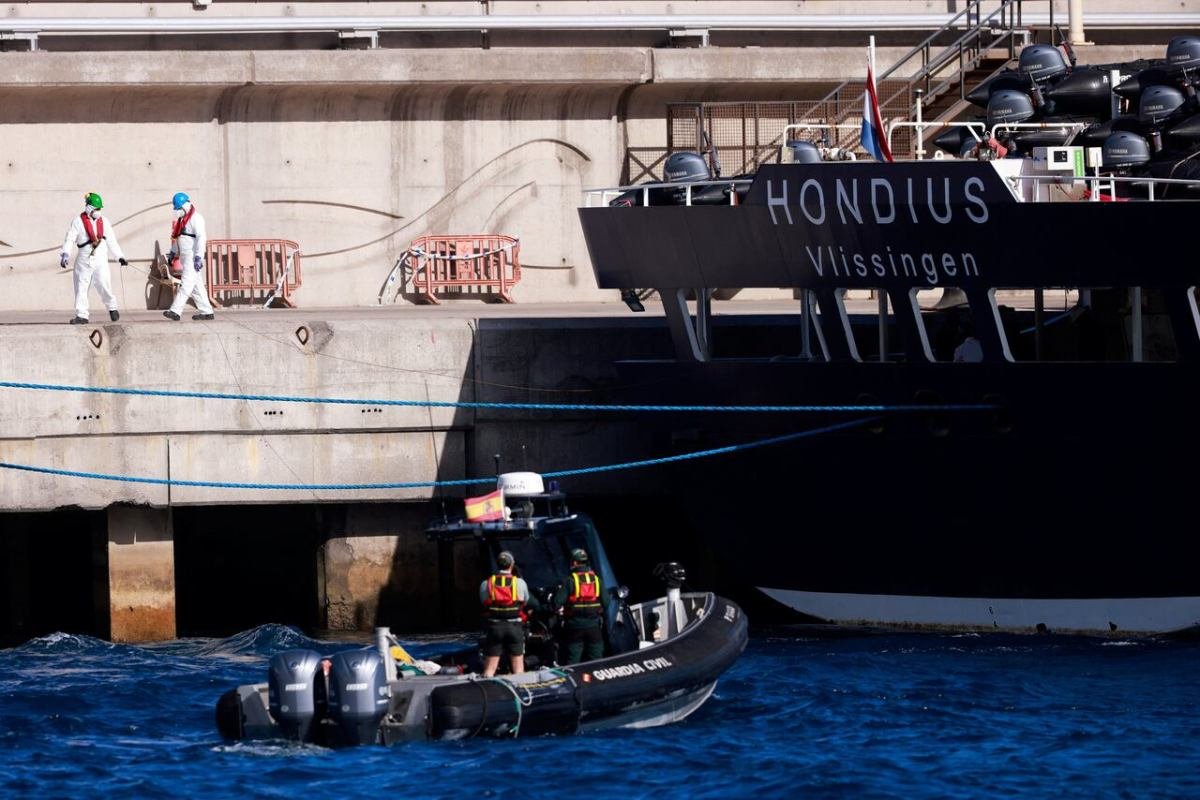
In response to the outbreak, the MV Hondius docked in the Canary Islands, where a comprehensive quarantine protocol was implemented. All passengers disembarked as part of these emergency measures, marking one of the most significant health-related evacuations in recent cruise history. Initially, Oceanwide Expeditions maintained that the cruise scheduled to depart on May 29 would proceed without interruption. However, escalating concerns and pressure from international health authorities prompted a pause on all cruise plans pending further assessment.
The MV Hondius is now on a course to Rotterdam, expecting to arrive between May 17-18. Onboard, there are 25 crew members, two health professionals, and the remains of a deceased passenger, though no crew members currently exhibit symptoms. Over 120 individuals have been evacuated and are now under quarantine at various global locations, creating a complex international health monitoring situation.
Canadian Impact and Precautions
In Canada, health authorities have administered quarantine measures for ten individuals linked to the MV Hondius hantavirus outbreak. According to Dr. Bonnie Henry from British Columbia, passengers on Vancouver Island face a quarantine period ranging from 21 to as long as 42 days due to the virus’s incubation characteristics and the potential for delayed symptom onset.
Nationwide, Canadians from regions including Ontario’s Grey Bruce area, Alberta, and Quebec are under close observation. The Ontario health ministry has advised seven people to practice self-isolation, emphasizing the evolving nature of the crisis and the need for extended monitoring protocols that extend far beyond typical cruise-related health incidents.
Cruise Industry Response and Future Implications
The tightly-knit environments of cruise ships inherently increase vulnerability to outbreaks, but this hantavirus outbreak represents an unprecedented challenge for the industry. Unlike common norovirus incidents that cruise lines regularly manage, hantavirus presents unique complexities due to its potentially fatal nature and extended incubation period. Oceanwide Expeditions is contending with the complex challenge of protecting a diverse international passenger and crew complement, adhering to various health mandates, and ensuring overall safety while maintaining operational viability.
Industry experts suggest this incident could reshape health screening protocols for expedition cruises, particularly those visiting remote areas where medical evacuation options are limited. The outbreak has already prompted several cruise lines to review their pre-boarding health assessments and onboard medical capabilities, especially for vessels operating in polar regions where passengers may have recently traveled through areas with endemic diseases.
As the MV Hondius nears Rotterdam, global scrutiny deepens regarding the company’s forthcoming strategies and the broader industry’s preparedness for similar health emergencies. The World Health Organization guidelines serve as the backbone for the rapid response efforts, seeking to bolster confidence among passengers and industry stakeholders while establishing new benchmarks for crisis management.
This incident serves as a stark reminder of the need for ongoing vigilance within the travel sector, emphasizing the critical importance of proactive health crisis readiness. The hantavirus outbreak has demonstrated that even well-established cruise operators must continuously evolve their health protocols to address emerging threats. Travelers are encouraged to stay informed about health advisories and consider comprehensive travel insurance as preventative measures to safeguard individual and collective well-being during these uncertain times.

