

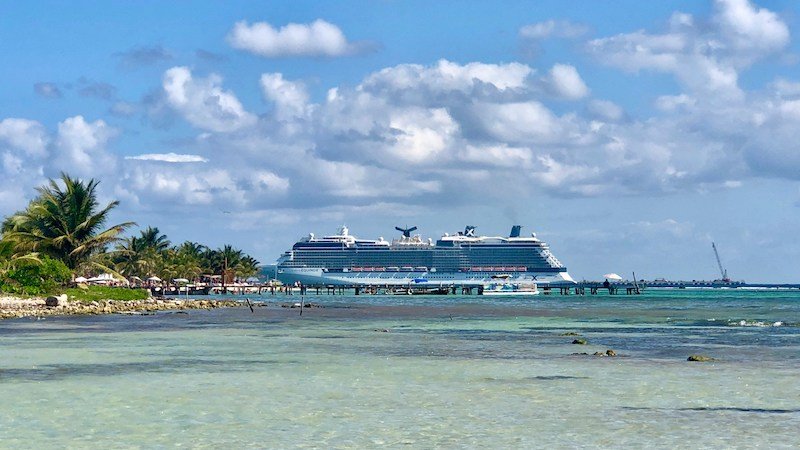
Mexican Cruise Tourism Surges Despite Spending Drops
Mexican cruise tourism has experienced unprecedented growth in 2024, marking a pivotal moment for the nation’s travel industry. According to the National Institute of Statistics and Geography, March recorded 9.3 million international arrivals, representing an impressive 11.9% increase over the previous year. However, this surge in visitor numbers presents a complex economic paradox, as tourist spending has unexpectedly declined despite the influx of passengers.
The tourism sector’s recovery demonstrates Mexico’s resilience in attracting international visitors, particularly through its expanding cruise infrastructure. Industry analysts suggest this growth reflects both improved marketing efforts and enhanced port facilities across the country’s extensive coastline. The data reveals a shift in travel patterns, with cruise passengers comprising an increasingly significant portion of Mexico’s tourism portfolio.
Discovering New Horizons in Mexican Cruises
The primary catalyst for this remarkable growth is Mexico’s expanding cruise tourism sector, which has captured global attention from major cruise lines and travelers alike. Reports from Mexico News Daily reveal that 3.6 million cruise passengers visited Mexico from January to March, marking a substantial 9.9% growth compared to the first quarter of 2023. The concurrent increase in cruise ship arrivals saw 1,080 vessels docking at Mexican ports, representing a 4.8% rise, as confirmed by Tourism Minister Josefina Rodríguez Zamora.
This growth trajectory reflects Mexico’s strategic positioning as a premier cruise destination in the Western Hemisphere. The country’s diverse offerings, from Pacific Coast adventures to Caribbean experiences, have attracted major cruise operators to expand their Mexican itineraries. Port authorities have invested heavily in infrastructure improvements, creating modern facilities capable of accommodating the industry’s largest vessels.
Rising Popularity of Huatulco, Cabo San Lucas, and Puerto Chiapas
Specific destinations have emerged as standout performers in Mexico’s cruise tourism boom. Huatulco in Oaxaca has become a focal point of interest, welcoming 12 cruise visits that brought 20,045 passengers within the first quarter alone. This picturesque destination offers visitors pristine beaches, rich indigenous culture, and authentic culinary experiences that differentiate it from more commercialized ports.
Meanwhile, Cabo San Lucas in Baja California Sur has solidified its position as Mexico’s cruise tourism powerhouse, accommodating 117 cruise ships carrying a staggering 428,799 passengers. The destination’s combination of luxury resorts, world-class fishing, and vibrant nightlife continues to attract repeat visitors and new cruise itineraries.
Puerto Chiapas also demonstrated strong performance, welcoming seven cruise ships with nearly 13,000 passengers. This southern Pacific port serves as a gateway to Chiapas’s archaeological treasures and natural wonders, including proximity to Guatemala’s attractions for extended shore excursions.
Economic Paradox: Increased Foot Traffic, Reduced Spend
Despite the remarkable uptick in Mexican cruise tourism, a concerning decline in spending patterns has emerged. March witnessed a 3.4% reduction in overall tourist expenditure, with average spending per tourist falling by 13.4%. This economic mismatch raises significant concerns about cruise passengers’ spending behavior, suggesting they may prefer onboard amenities and pre-purchased packages over local offerings.
Industry experts attribute this spending decline to several factors, including shorter port stays, all-inclusive cruise packages that reduce onshore purchasing, and limited time for meaningful local experiences. The challenge lies in converting the increased foot traffic into tangible economic benefits for local communities and businesses.
Cross-Border Tourism Trends
Cross-border tourism patterns mirror the cruise industry’s growth trajectory, with visitor numbers rising from 1.4 million to 1.9 million year-over-year in March. However, the economic benefits expected from this substantial increase remain disappointingly elusive. Converting these increased arrivals into meaningful economic impact requires strategic intervention and enhanced visitor engagement strategies.
Long-Term Benefits and Future Strategies
While the surge in visitor arrivals paints a promising picture for Mexican cruise tourism, the imperative to translate these trends into sustainable economic benefits remains paramount. Baja California Sur tourism, in particular, stands to benefit significantly from increased infrastructure development and job creation opportunities that cruise tourism expansion brings.
Tourism stakeholders are implementing strategic initiatives to enhance on-the-ground experiences and encourage greater local spending. These efforts include developing authentic cultural experiences, improving transportation connections between ports and attractions, and creating compelling shore excursion packages that showcase Mexico’s diverse offerings beyond the immediate port areas.
As Mexico navigates this dynamic cruise tourism landscape, the focus remains firmly on harnessing current growth trends into sustainable, long-term prosperity. Travelers exploring Mexico can anticipate not only stunning coastlines and rich cultural heritage but also an evolving industry committed to providing more enriching and interactive experiences that extend far beyond the confines of their cruise vessels.
Sources:
• National Institute of Statistics and Geography (INEGI)
• Mexico News Daily
• Mexican Tourism Ministry

