

Hantavirus Outbreak on Cruise Ship Leaves Three Dead
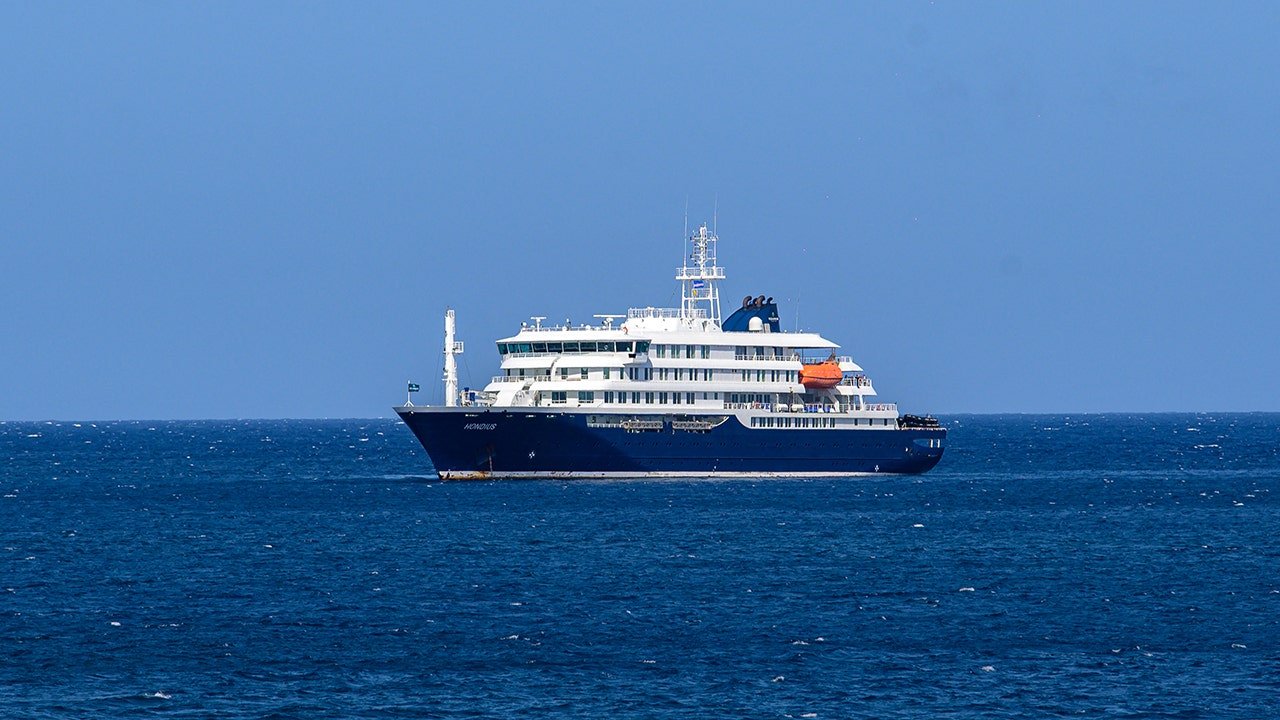
In a shocking development on the high seas, a hantavirus outbreak aboard Oceanwide Expeditions’ m/v Hondius has led to the tragic deaths of three passengers. The outbreak occurred during a 35-day Atlantic Odyssey cruise, leaving the Netherlands-based company grappling with the crisis as the vessel, now anchored near Praia, Cape Verde, awaits local authorities’ intervention.
A Rare and Fatal Virus Strikes at Sea
The hantavirus outbreak, known for its severe respiratory implications and rare incidence aboard cruise ships, has taken a deadly toll during its spread on the Hondius. This virus, typically transmitted through contact with infected rodents or their droppings, induces flu-like symptoms that can rapidly develop into Hantavirus Pulmonary Syndrome (HPS), a serious condition affecting the lungs. Prompt medical intervention is often required as the virus can critically impair breathing and cause fatal complications within days.
A heartbreaking series of events unfolded as a 70-year-old Dutch passenger succumbed to the virus on board, followed by his 69-year-old wife, who passed away in Johannesburg while attempting to return home. The third fatality occurred among passengers who had been evacuated for emergency medical treatment. An additional passenger remains in intensive care in Johannesburg, with two crew members now presenting symptoms, underlining the critical nature of the outbreak and the urgency for comprehensive medical evaluations.
Stalled in Cape Verde as Authorities Coordinate Response
The Hondius, with 150 passengers aboard, is currently anchored near Praia, Cape Verde, awaiting clearance to disembark as decisions hinge on pending health screenings and quarantine protocols. The Dutch Ministry of Foreign Affairs is collaborating closely with Cape Verdean health authorities to coordinate the safe repatriation of affected crew and deceased passengers’ remains to the Netherlands. Medical teams have been deployed to conduct comprehensive health assessments of all passengers and crew members before any disembarkation can proceed.
Understanding Hantavirus Transmission at Sea
Medical experts suggest the hantavirus outbreak likely originated from rodent contamination during port visits or supply loading. The virus can survive in dust particles from infected rodent droppings, making enclosed ship environments particularly vulnerable to rapid transmission. Unlike other cruise ship outbreaks involving norovirus or COVID-19, hantavirus cases are extremely rare in maritime settings, making this incident particularly concerning for health officials and the cruise industry.
Oceanwide Expeditions’ Response and Ship Background
In response to the crisis, Oceanwide Expeditions has implemented emergency protocols and is working diligently to manage the situation. The company stated, “We are identifying all facts and facilitating comprehensive medical screening, care, and subsequent steps for all passengers and crew. We commit to providing continual updates as details develop and maintaining transparency throughout this challenging situation.” These efforts underscore their focus on prudent crisis management while ensuring health safety protocols are rigorously followed.
Launched in 2019, the m/v Hondius is renowned for its robust expedition capabilities, specifically crafted to navigate polar regions with its Polar Class 6 ice-strengthening technology. As a vessel designed for extreme Antarctic and Arctic conditions, it now faces an unanticipated biological challenge with this unprecedented hantavirus outbreak, highlighting the diverse and unpredictable risks inherent in modern maritime travel.
Industry-Wide Implications and Future Protocols
This tragic hantavirus outbreak serves as a wake-up call for the entire cruise industry, emphasizing the need for enhanced biosecurity measures and comprehensive health screening protocols. Industry experts are calling for immediate reviews of food supply chain security, port facility inspections, and rodent control measures aboard vessels. Cruise companies may need to implement more stringent pre-boarding health assessments and invest in advanced air filtration systems to prevent similar outbreaks.
The incident also highlights the challenges of medical emergency response in remote maritime locations, where immediate evacuation to advanced medical facilities can be limited by geography and weather conditions. This case will likely drive new international maritime health regulations and emergency response protocols.
A Critical Turning Point for Cruise Safety
The tragic circumstances aboard Oceanwide Expeditions’ Hondius represent more than an isolated incident—they signal a critical need for revolutionary changes in cruise industry health and safety standards. As authorities continue investigating the source and spread of this rare hantavirus outbreak, the maritime travel sector faces increased scrutiny and the imperative to develop more robust preventive measures. This crisis will undoubtedly reshape how cruise companies approach biosecurity, emergency medical preparedness, and passenger safety protocols in the years ahead.

