

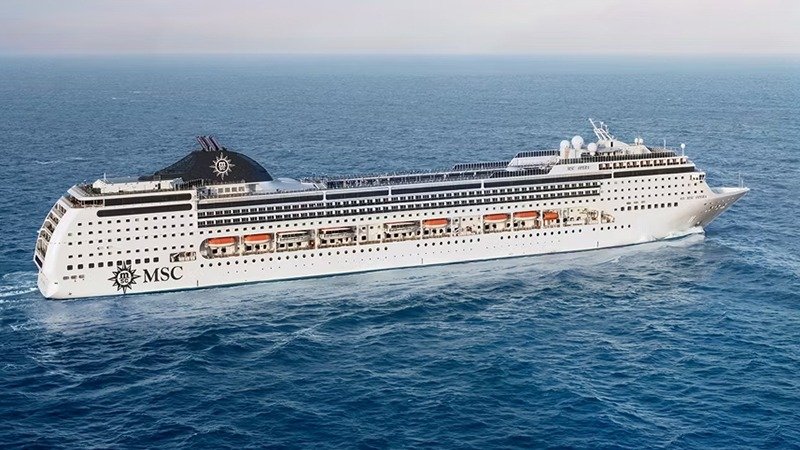
MSC Cruises Dominican Republic: Exciting New Homeport Announcement
MSC Cruises is charting a transformative new course in the Caribbean cruise industry as the company announces the establishment of its inaugural homeport in the Dominican Republic. This groundbreaking development represents part of a massive $450 million investment strategy to enhance MSC’s Caribbean presence, including significant expansion projects in The Bahamas. The strategic move directly addresses the surging demand for Caribbean cruises while creating unprecedented opportunities for travelers, particularly those from the increasingly important Canadian cruise market.
Dominican Republic Homeport: A Strategic Caribbean Gateway
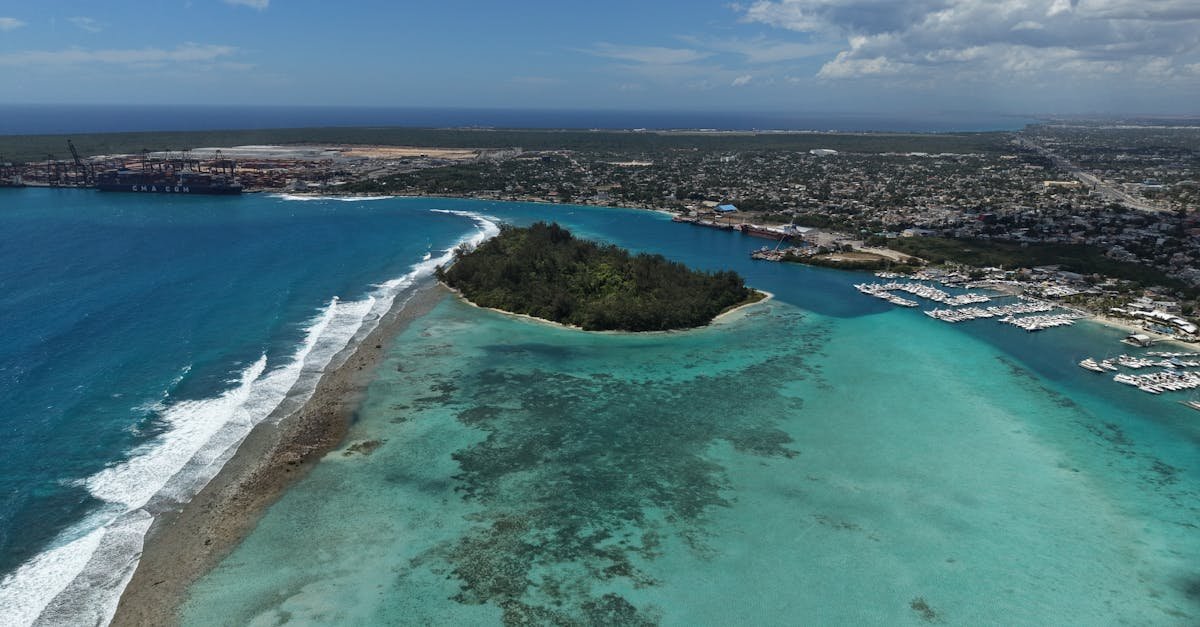
Scheduled for launch this November, the new Dominican Republic homeport represents a pivotal milestone in MSC Cruises’ Caribbean expansion strategy. From this strategically positioned base, the MSC Opera will commence weekly, year-round seven-night sailings, providing consistent access to some of the Caribbean’s most coveted destinations. The homeport’s unique positioning allows for enhanced operational efficiency while offering travelers remarkable flexibility in their cruise planning.
Beyond standard weekly itineraries, the Dominican Republic homeport will offer an innovative 14-night ‘butterfly’ cruise option, dramatically expanding travel experiences to include exotic destinations such as La Romana, Catalina Island, Fort-de-France, Virgin Gorda, and St. John’s. This extended itinerary format caters to discerning travelers seeking more immersive Caribbean experiences, combining multiple island cultures and landscapes into a single comprehensive voyage.
Canadian Market Dynamics and Industry Resilience
Industry concerns about potential Canadian traveler shifts away from American homeports have prompted considerable speculation within cruise industry circles. However, Ian Patterson, MSC Cruises’ Country Manager for Canada, clarified during discussions with Open Jaw’s Nina Slawek that this Dominican Republic expansion represents strategic growth rather than reactive positioning. Despite reports indicating a 32% decline in Canadian trips to the United States since 2024, cruise bookings from American ports remain remarkably strong among Canadian travelers.
“If we look at the numbers on the cruise side, we’re in a very healthy spot,” Patterson emphasized, highlighting the cruise industry’s resilience amid broader travel pattern fluctuations. This stability suggests that cruise travel operates within distinct market dynamics, often insulated from general tourism trends affecting other travel sectors.
Bahamas Development: Creating Caribbean Infrastructure
MSC Cruises’ Caribbean investment strategy extends significantly beyond the Dominican Republic, encompassing ambitious development plans for Grand Bahama. The company is developing a cutting-edge cruise terminal at Freeport Harbour, designed to accommodate multiple cruise ships simultaneously on a purpose-built artificial island. This engineering feat represents a substantial commitment to Caribbean tourism infrastructure, positioning MSC as a major regional player.
Patterson views the Bahamas terminal development as creating dual benefits: attracting cruise enthusiasts while providing meaningful economic stimulation for local communities. The facility’s multi-ship capacity suggests MSC anticipates substantial growth in Caribbean cruise demand, particularly as travel patterns continue evolving post-pandemic.
Fly&Cruise Program: Bridging Canadian Accessibility
To maximize Canadian traveler access to its expanded Caribbean offerings, MSC Cruises has strategically reinstated its comprehensive Fly&Cruise program. Through partnerships with Air Transat and Air Canada, the program provides seamless flight connections from major Canadian metropolitan areas including Toronto, Montréal, and Vancouver directly to Punta Cana, significantly reducing travel complexity for Canadian tourists.
Patterson identifies the Canadian cruise market as particularly ripe for expansion, noting that only 3% of Canadians currently choose cruise vacations. This low penetration rate suggests enormous growth potential, making the enhanced accessibility provided by the Fly&Cruise program strategically valuable for both MSC and travel advisors seeking to capitalize on emerging market opportunities.
Expanding Cultural Appeal and Market Reach
The Dominican Republic homeport strategy also addresses evolving cultural preferences within Canadian travel markets. Patterson highlighted growing interest among Canadian Francophones in French Antilles destinations, while noting these locations increasingly resonate with English-speaking travelers as well. “The French Antilles have started to resonate in the English market as well,” he observed, indicating successful cross-cultural appeal expansion.
Industry Implications and Future Outlook
As MSC Cruises continues expanding its Caribbean footprint through these strategic initiatives, the moves demonstrate remarkable confidence in the cruise industry’s growth trajectory. The combination of new homeport establishment, enhanced Fly&Cruise accessibility, and upcoming Bahamas terminal development positions MSC for sustained Caribbean market leadership while appealing to both Canadian tourists and international travelers seeking diverse, accessible Caribbean cruise experiences.
Sources: Information based on industry interview between Ian Patterson, MSC Cruises Country Manager for Canada, and Open Jaw’s Nina Slawek, along with official MSC Cruises announcements regarding Caribbean expansion initiatives.

