

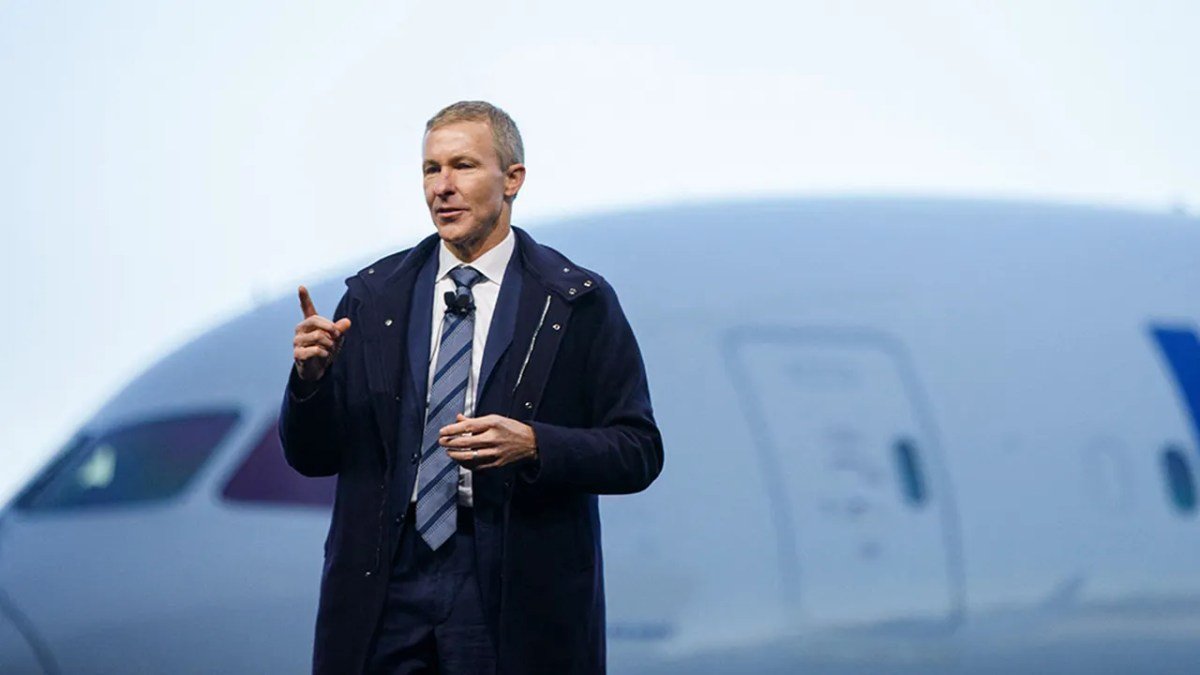
United Airlines CEO Scott Kirby Officially Halts American Airlines Merger Talks
In a striking move set to influence the US airline industry significantly, United Airlines CEO Scott Kirby has officially announced the cessation of merger talks with American Airlines. This decision, unveiled early this week, brings an end to discussions that could have dramatically reshaped US air travel dynamics by creating a colossal airline entity that would have commanded unprecedented market share in domestic and international routes.
Details Behind the Failed Merger Discussions
On Monday, Kirby disclosed that merger talks were terminated after American Airlines opted not to engage further in negotiations. Earlier in April, reports had emerged indicating that Kirby approached the White House about a prospective acquisition valued at potentially over $50 billion. However, Kirby was quick to clarify that initial conversations took place directly between the leadership of United Airlines and that of American Airlines, focusing on creating a massive entity capable of enhancing global competitiveness against international carriers.
Despite Kirby’s confidence in obtaining regulatory approval, the idea of a ‘mega-merger’ drew immediate skepticism from industry analysts and regulatory bodies amidst fears of potential antitrust violations. The proposed merger talks would have created the world’s largest airline, controlling approximately 40% of the US domestic market and significantly impacting pricing structures across the industry. Ultimately, American Airlines decisively halted the proposal, citing concerns over regulatory hurdles and potential operational complexities.
Industry Implications and Regulatory Concerns
Kirby argued that the merger talks aimed to counter the growing ‘global trade deficit’ in aviation, pointing out that foreign carriers like Emirates, Qatar Airways, and Lufthansa were increasingly dominating long-haul travel to the US. A united American entity would have had the potential to bolster American leadership in global aviation markets, particularly on lucrative international routes where US carriers have been losing ground. Unlike previous airline mergers primarily intended to rescue struggling brands, this initiative was geared towards expansion into less accessible international markets and strengthening hub operations.
Nevertheless, American Airlines consistently opposed the idea throughout the merger talks, stressing that such consolidation could undermine competition and violate established antitrust principles. This concern found immediate support in Washington, as Senators Elizabeth Warren and Mike Lee initiated a bipartisan investigation into how the potential merger might affect competition, pricing structures, and service quality for American travelers. The Department of Transportation also expressed preliminary concerns about market concentration.
The merger talks saga also attracted significant attention from the presidential office. In an interview with CNBC, President Donald Trump echoed similar regulatory concerns while suggesting possible support for alternative industry consolidation involving smaller carriers like Spirit Airlines. Spirit is presently negotiating a $500 million federal bailout package, attracting considerable interest from both investors and government officials seeking to stabilize the budget airline sector.
United’s Independent Growth Strategy Moving Forward
With the merger talks officially shelved, Kirby outlined United’s renewed commitment to an independent growth strategy focused on innovation and market expansion. He emphasized efforts to ‘de-commoditize’ air travel through substantial investments in technology, product enhancements, and infrastructure development across United’s hub network. ‘While our pursuit of merger talks with American Airlines has ended, our mission to build the greatest airline in aviation history at United is well underway,’ Kirby stated during a company-wide meeting.
This strategic pivot underscores United’s commitment to innovation and service enhancement without relying on major acquisitions. The airline plans to invest heavily in fleet modernization, route expansion to underserved international destinations, and premium service offerings targeting business travelers. Industry experts will be attentively observing as United Airlines seeks to redefine its competitive position within the increasingly dynamic aviation market, concentrating on organic growth paths distinct from traditional merger and acquisition strategies that have historically shaped the industry.
Sources
Information compiled from United Airlines corporate communications, CNBC interviews, and industry regulatory filings.

