

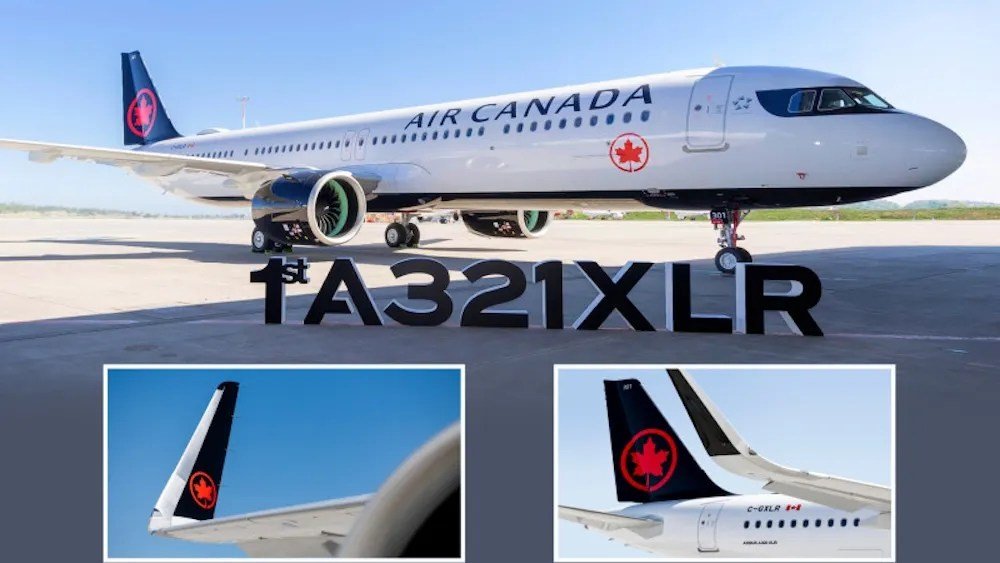
Air Canada A321XLR Debuts, Revamping Transatlantic Fleet
Air Canada has introduced a game-changer to its fleet with the arrival of the Air Canada A321XLR, setting the stage for dramatic expansions in its transatlantic routes. Recently delivered from Hamburg, this aircraft marks a pivotal moment in Air Canada’s global network expansion strategy and represents one of the most significant developments in transatlantic aviation this year. To further bolster its fleet capabilities, Air Canada plans to incorporate a total of 30 A321XLRs, split evenly between leases from SMBC Aviation Capital and direct acquisitions from Airbus S.A.S., positioning the carrier as a leader in next-generation aircraft deployment.
A Strategic Move in Air Canada Fleet Expansion
This introduction represents a strategic pivot in Air Canada’s approach to its route network, especially across the transatlantic corridors. The Air Canada A321XLR features allow for longer route services with increased fuel efficiency of up to 20% compared to previous generation aircraft, opening the door to previously inaccessible city pairs and enhancing market reach. Mark Galardo, Executive Vice President and Chief Commercial Officer of Air Canada, emphasized that the A321XLR is pivotal in expanding flexibility to launch new international routes and improve services on existing ones. The aircraft’s extended range capability of up to 4,700 nautical miles enables Air Canada to serve secondary European cities directly from North American hubs, bypassing traditional connection points and offering passengers more convenient travel options.
Advanced Features and Airline Innovation Transform Passenger Experience
The new single-aisle aircraft comes with significant cabin upgrades under the “Glowing Hearted” initiative, reflecting Air Canada’s commitment to passenger-centric innovation. These comprehensive improvements include enhanced in-flight entertainment systems featuring larger 13-inch screens in premium cabins and Bluetooth connectivity, ensuring personalized content delivery throughout the journey. Each seat offers personal power outlets with both USB-A and USB-C connectivity, along with complimentary high-speed Wi-Fi for Aeroplan loyalty program members, addressing modern travelers’ connectivity needs. Notably, the Air Canada A321XLR introduces a revolutionary Signature Class with 14 lie-flat seats in a single-aisle configuration, redefining passenger comfort standards and competing directly with wide-body aircraft offerings on medium-haul international routes.
Expanding Transatlantic Reach from Montréal and Toronto
Pending final certification from Transport Canada, Air Canada plans to deploy the Air Canada A321XLR on strategic transatlantic routes from primary hubs in Montréal and Toronto, while also incorporating key North American transcontinental routes. Initial route planning suggests service to destinations such as Dublin, Edinburgh, and select Scandinavian cities, markets that were previously challenging to serve profitably with larger aircraft. This strategic deployment aligns with Air Canada’s broader modernization strategy, emphasizing improved customer experience, enhanced fuel economy, and superior operational reliability across its network.
Industry Impact and Competitive Advantages
The introduction of the Air Canada A321XLR positions the airline to compete more effectively against European carriers on transatlantic routes while offering passengers the convenience of direct flights to secondary markets. Aviation analysts predict this move will pressure competitors to accelerate their own fleet modernization programs, potentially reshaping the competitive landscape across North Atlantic routes. The aircraft’s efficiency metrics allow Air Canada to maintain competitive pricing while improving profit margins on medium-density routes.
Broader Fleet Development and Future Outlook
While integrating the A321XLR, Air Canada’s comprehensive fleet expansion includes orders for larger Airbus A350-1000s beginning in 2030 and additional Boeing 787-10 Dreamliners, creating a modern, efficient fleet capable of serving diverse market segments. This multi-aircraft strategy reflects Air Canada’s commitment to right-sizing aircraft for specific routes while maintaining operational flexibility.
With this ambitious expansion plan, Air Canada aims to reshape travel possibilities globally, enhancing passenger experiences and solidifying its status as an industry leader. The debut of the Air Canada A321XLR heralds a new era of travel comfort and connectivity, setting new standards in the aviation industry and promising more direct route options for travelers seeking convenient transatlantic connections.
To meet evolving aviation needs and rising passenger expectations, Air Canada continues to reinforce its competitive edge in the global market, with the A321XLR serving as a cornerstone of exciting developments ahead for transatlantic travel.

