
MSC Foundation Coral Restoration Project Transforms Marine Conservation in The Bahamas
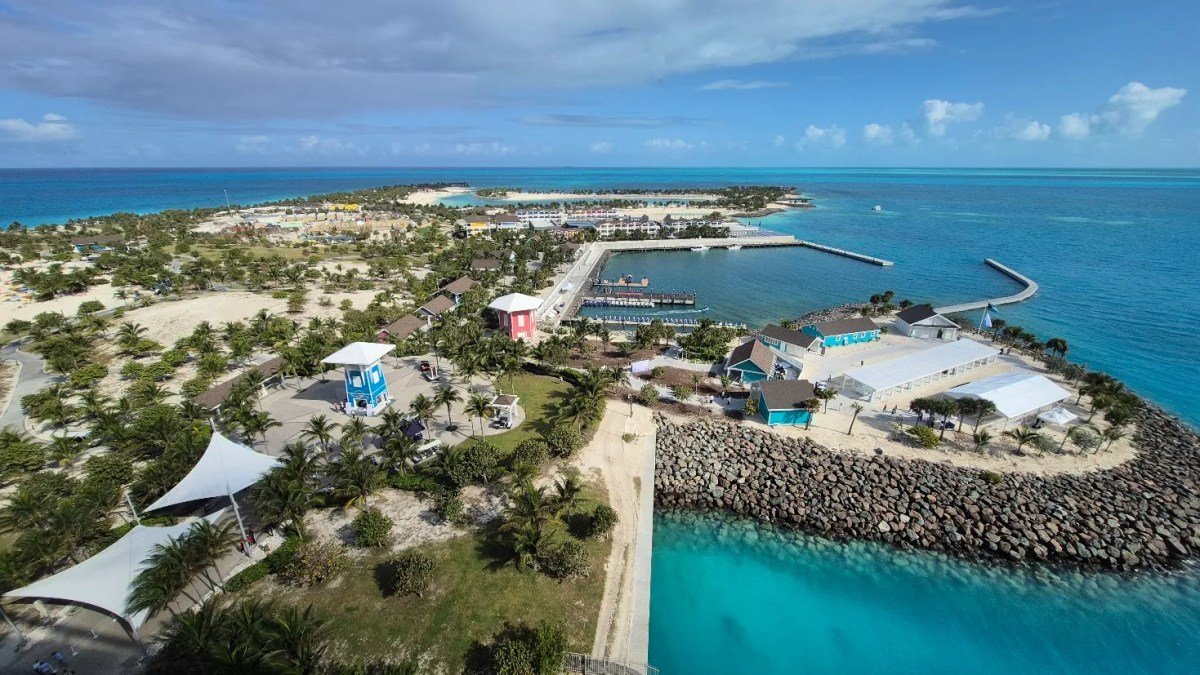
The MSC Foundation is celebrating a groundbreaking year in its coral restoration initiatives in The Bahamas, marking a pivotal moment for marine ecosystem revitalization in the Caribbean. Since establishing operations in April 2025, the Ocean Cay Marine Conservation Centre, strategically located near Bimini, has become the foundation’s flagship facility for marine conservation, scientific education, and community engagement throughout the region.
This comprehensive coral restoration program represents a significant investment in The Bahamas’ marine tourism infrastructure, directly benefiting the country’s $2.8 billion tourism industry that relies heavily on pristine coral reef ecosystems for snorkeling, diving, and eco-tourism activities.
Remarkable Growth and Conservation Achievements
The centre’s leadership in coral restoration has yielded impressive results, with over 600 corals successfully nurtured in its state-of-the-art underwater nursery and an remarkable 250 coral fragments transplanted onto degraded local reefs. This 42% transplantation success rate significantly exceeds industry standards and demonstrates the centre’s innovative approach to enhancing coral growth and resilience.
The facility employs advanced coral propagation techniques, including micro-fragmentation and fusion technology, which accelerates coral growth rates by up to 30 times compared to natural processes. These methods are particularly crucial in The Bahamas, where rising sea temperatures and ocean acidification pose ongoing threats to reef systems that support over 65% of the nation’s marine biodiversity.
Strategic Academic Partnerships Drive Innovation
The MSC Foundation’s collaboration with the Perry Institute for Marine Science has accelerated conservation efforts through scientific excellence. In February 2026, a groundbreaking coral species exchange program at Ocean Cay introduced two new resilient coral species, significantly increasing genetic diversity across local reef systems.
The introduction of critically endangered elkhorn coral fragments (Acropora palmata) represents a major conservation milestone, as this species serves as a crucial habitat builder for Caribbean reef ecosystems. Early monitoring data shows promising adaptation rates, with transplanted elkhorn corals demonstrating 85% survival rates after six months.
Through partnership with the University of The Bahamas, the foundation established a cutting-edge marine research laboratory equipped with advanced molecular analysis capabilities. This facility has trained over 45 marine science students and researchers in coral propagation techniques, reef monitoring protocols, and genetic analysis methods, creating a skilled workforce for future conservation efforts.
Community Engagement and Sustainable Tourism
The coral restoration program has attracted over 17,000 international visitors during its first operational year, generating substantial eco-tourism revenue while promoting conservation awareness. Visitors participate in hands-on coral planting experiences, underwater monitoring expeditions, and educational workshops that highlight the critical connection between healthy reefs and sustainable tourism.
Local community involvement has been exceptional, with more than 120 Bimini residents participating in monthly beach clean-up initiatives that have removed over 3,200 pounds of marine debris from coastal areas. These efforts directly support reef health by reducing pollution and plastic waste that threaten coral survival.
The foundation’s innovative agricultural education program serves approximately 80 high school students annually, teaching sustainable farming techniques that reduce nutrient runoff into marine environments. This holistic approach addresses land-based pollution sources that contribute to coral bleaching and reef degradation.
Future Expansion and Long-term Impact
Looking ahead, the MSC Foundation plans to expand its coral restoration operations to three additional Bahamian islands by 2027, potentially restoring over 15 acres of degraded reef habitat. These expansion plans include establishing satellite nurseries and training local communities to manage independent conservation programs.
Emeline Bouchet, Marine Program Manager at the MSC Foundation’s Ocean Cay office, emphasized the program’s collaborative approach: “Our work in The Bahamas demonstrates that effective coral restoration requires partnerships between science, community, and industry. We’re not just rebuilding reefs – we’re creating a model for sustainable marine tourism.”
The foundation’s coral restoration efforts in The Bahamas represent a transformative approach to marine conservation, combining cutting-edge science with community engagement and sustainable tourism practices. As coral reefs face unprecedented global challenges, this innovative program offers hope for reef recovery and serves as a blueprint for conservation initiatives throughout the Caribbean region.