

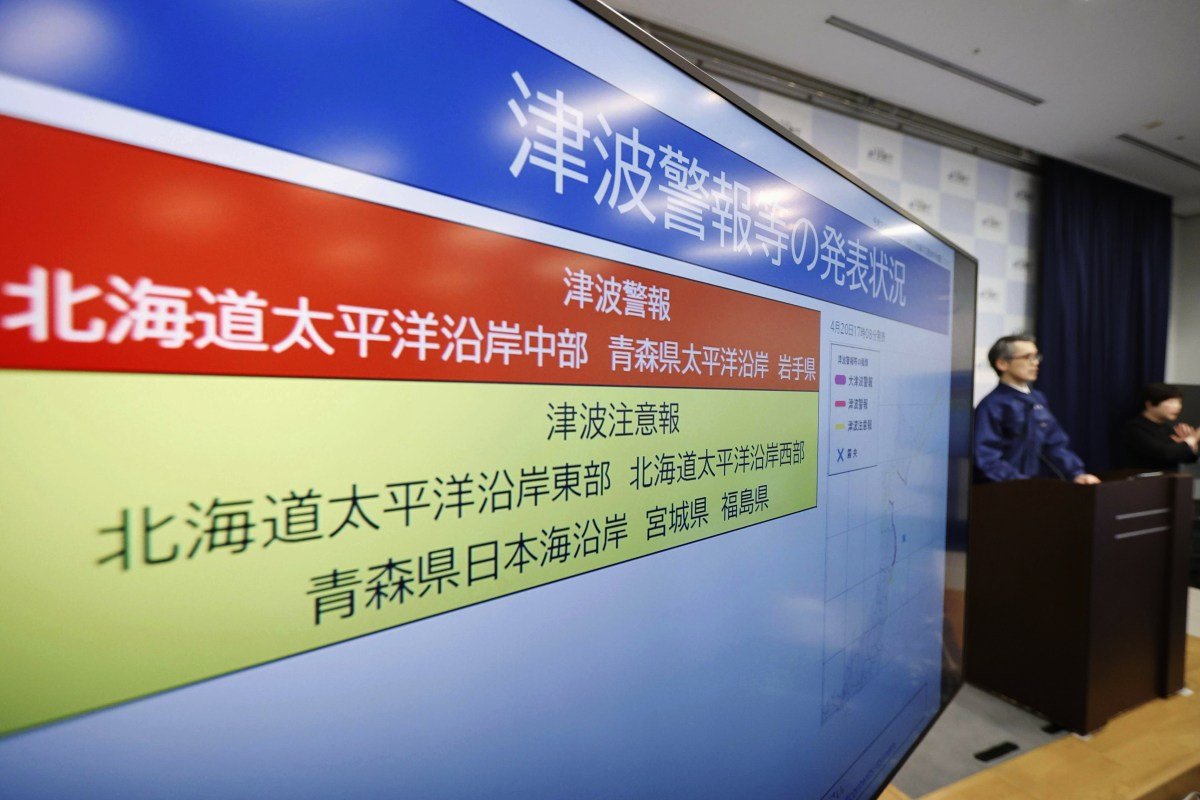
In a significant development that has captured international attention, Japanese authorities have issued an urgent Japan earthquake advisory following a powerful 7.7 magnitude earthquake that struck the Sanriku coast. The major seismic event occurred at 4:53 p.m. local time, sending shockwaves through affected regions and prompting immediate safety protocols across northeastern Japan.
The powerful tremor triggered immediate concerns about tsunami risks, with formidable waves emerging just hours after the initial earthquake. Responding with characteristic efficiency, the Japan Meteorological Agency (JMA) collaborated closely with the Cabinet Office to issue comprehensive tsunami warnings, urging residents and visitors to evacuate coastal areas as a precautionary measure. While these warnings have since been downgraded, the earthquake’s impact continues to reverberate through local communities and the international travel sector.
Travel Industry Responds to Japan Earthquake Advisory
The tourism industry has moved swiftly to address traveler concerns following the Japan earthquake advisory. Major airlines serving routes to northeastern Japan have implemented flexible rebooking policies, allowing passengers to modify their travel plans without penalty. Hotels in the affected regions have activated emergency protocols, ensuring guest safety while maintaining clear communication channels with international booking platforms.
Travel insurance companies report a significant uptick in inquiries from tourists planning visits to Japan, particularly those with itineraries including the Tohoku region. Industry experts recommend that travelers maintain comprehensive coverage and stay informed about evolving conditions through official channels.
Despite the seismic activity, Japan’s robust infrastructure and emergency response systems have prevented major disruptions to transportation networks. The Shinkansen bullet train services experienced temporary delays but resumed normal operations within hours, demonstrating the resilience of Japan’s travel infrastructure.
Heightened Seismic Monitoring and Ongoing Concerns
While no casualties or severe infrastructural damage have been reported, persistent aftershocks throughout northeastern Japan have maintained elevated anxiety levels among residents and visitors. The global community expressed relief when the National Oceanic and Atmospheric Administration retracted its tsunami threat warning, indicating no immediate danger to Pacific coastal regions.
Government officials have provided detailed briefings on potential future seismic activity, revealing a temporary increase in earthquake probability. Seismologists estimate a 1% chance of a magnitude 8 or higher earthquake occurring within the coming week—a tenfold increase from the typical 0.1% baseline probability. This statistical elevation underscores the importance of continued vigilance and preparedness measures.
The Japan earthquake advisory emphasizes proactive safety protocols, encouraging both residents and tourists to maintain emergency supplies, familiarize themselves with evacuation routes, and stay connected to official information sources.
Historical Context and Geological Realities
Japan’s position atop the volatile Pacific Ring of Fire places it among the world’s most seismically active regions. The convergence of multiple tectonic plates creates an environment where significant earthquakes remain an ongoing reality. The devastating 2011 Tohoku earthquake and tsunami serve as stark reminders of the potential magnitude of seismic events in this region.
For the travel industry, these geological realities necessitate comprehensive emergency planning and robust communication strategies. Tour operators specializing in Japan have developed sophisticated protocols for managing seismic events, ensuring tourist safety while maintaining operational continuity.
Traveler Guidance and Safety Recommendations
Current and prospective visitors to Japan should prioritize staying informed through official channels, particularly the Japan Meteorological Agency’s real-time monitoring systems. While the probability of another major earthquake remains statistically low, maintaining preparedness remains crucial for ensuring personal safety.
Travel experts recommend that tourists download official emergency alert applications, maintain physical copies of important documents, and establish communication plans with family members. Hotels and accommodations throughout Japan provide comprehensive safety briefings and emergency supplies to international guests.
As Japan demonstrates its characteristic resilience in facing natural challenges, the global travel community continues monitoring developments closely. This recent Japan earthquake advisory reinforces the critical importance of preparedness, adaptability, and respect for natural forces in our interconnected world, highlighting how the travel industry must remain vigilant and responsive to evolving geological conditions.

