

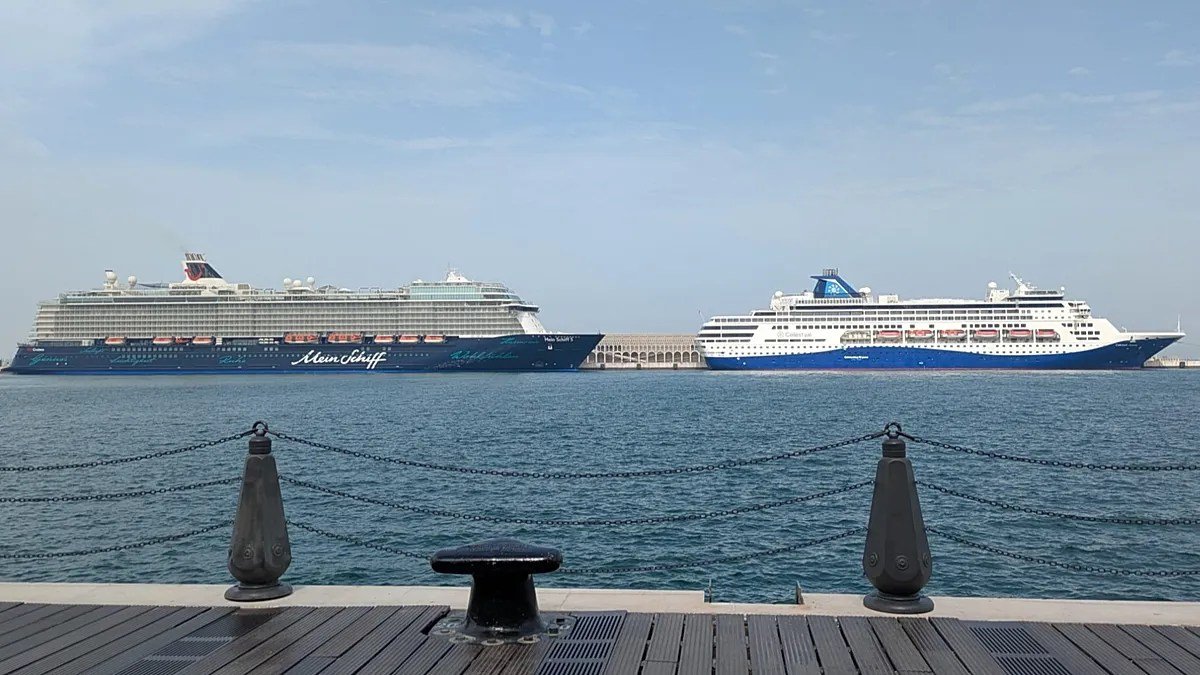
Seven Cruise Ships Successfully Navigate Strait of Hormuz During Regional Tensions
In a remarkable display of maritime expertise and strategic planning, seven cruise ships, including the MSC Euribia, have successfully navigated the strategic Strait of Hormuz during a temporary ceasefire amid escalating regional tensions. This achievement represents a significant milestone for the cruise industry, demonstrating operational resilience in one of the world’s most challenging geopolitical environments.
Celestyal Journey Leads Strategic Navigation Through Strait of Hormuz
The convoy was expertly led by the Celestyal Journey under the command of Captain Angelos Vasilakos of Celestyal Cruises. The experienced captain made the strategic decision to navigate closer to the Omani coastline, ensuring optimal safety protocols while maintaining compliance with international maritime navigation directives. This careful route selection proved crucial for the entire convoy’s safe passage through the Strait of Hormuz.

The timing of this transit was particularly significant, as the region had experienced months of escalating conflicts that severely disrupted commercial shipping routes. The 10-day ceasefire window provided cruise operators with a narrow but crucial opportunity to reposition their vessels and resume normal operations, showcasing the industry’s ability to adapt quickly to changing geopolitical conditions.
Industry Leadership Responds to Maritime Challenges
Wybcke Meier, CEO of Tui Cruises, emphasized the collective effort required for this successful operation, stating, “The past weeks have presented all of us with extraordinary challenges. My special thanks go to our captains, the crews, as well as all teams on board and onshore, who, with great professionalism, prudence, and dedication, have contributed to managing this situation.” This statement reflects the cruise industry’s commitment to maintaining operations despite unprecedented obstacles.
The successful transit holds particular significance for MSC Cruises, as it enables the MSC Euribia to proceed with its highly anticipated Northern Europe season. The vessel is scheduled to depart from Kiel, Germany, on May 16, offering passengers who experienced previous cancellations the opportunity to rebook their dream European cruise experience.
Strategic Route Planning and Industry Adaptation
The successful navigation of the Strait of Hormuz represents more than just operational logistics—it demonstrates the cruise industry’s sophisticated risk management capabilities. Many vessels had previously opted for the longer Cape route around Africa instead of traditional passages through the Suez Canal, adding thousands of nautical miles to their journeys but prioritizing passenger and crew safety above operational efficiency.
This strategic flexibility has become a hallmark of modern cruise operations, with companies investing heavily in advanced navigation systems, enhanced communication protocols, and comprehensive crew training programs. The ability to quickly pivot between routes while maintaining service quality has proven essential for industry survival in an increasingly complex global environment.
Passenger Impact and Travel Industry Recovery
For cruise enthusiasts and travelers, this successful transit signals a positive shift toward normalizing cruise itineraries in previously disrupted regions. The MSC Euribia’s departure from Kiel represents more than just a single voyage—it symbolizes the industry’s resilience and commitment to delivering exceptional travel experiences despite global uncertainties.
Travel advisors report increased confidence among passengers willing to book cruises in regions previously considered high-risk. The successful Strait of Hormuz passage demonstrates that cruise lines can effectively manage complex logistical challenges while maintaining the highest safety standards.
Future Outlook for Maritime Safety and Cruise Operations
Looking ahead, the cruise industry’s successful navigation through the Strait of Hormuz establishes important precedents for future operations in geopolitically sensitive regions. Enhanced maritime safety protocols, improved international cooperation, and sophisticated route planning capabilities position the industry for continued growth despite ongoing global challenges.
As the industry continues to evolve, successful operations like this Strait of Hormuz transit demonstrate that cruise companies remain committed to connecting travelers with destinations worldwide while prioritizing safety and operational excellence above all other considerations.

