

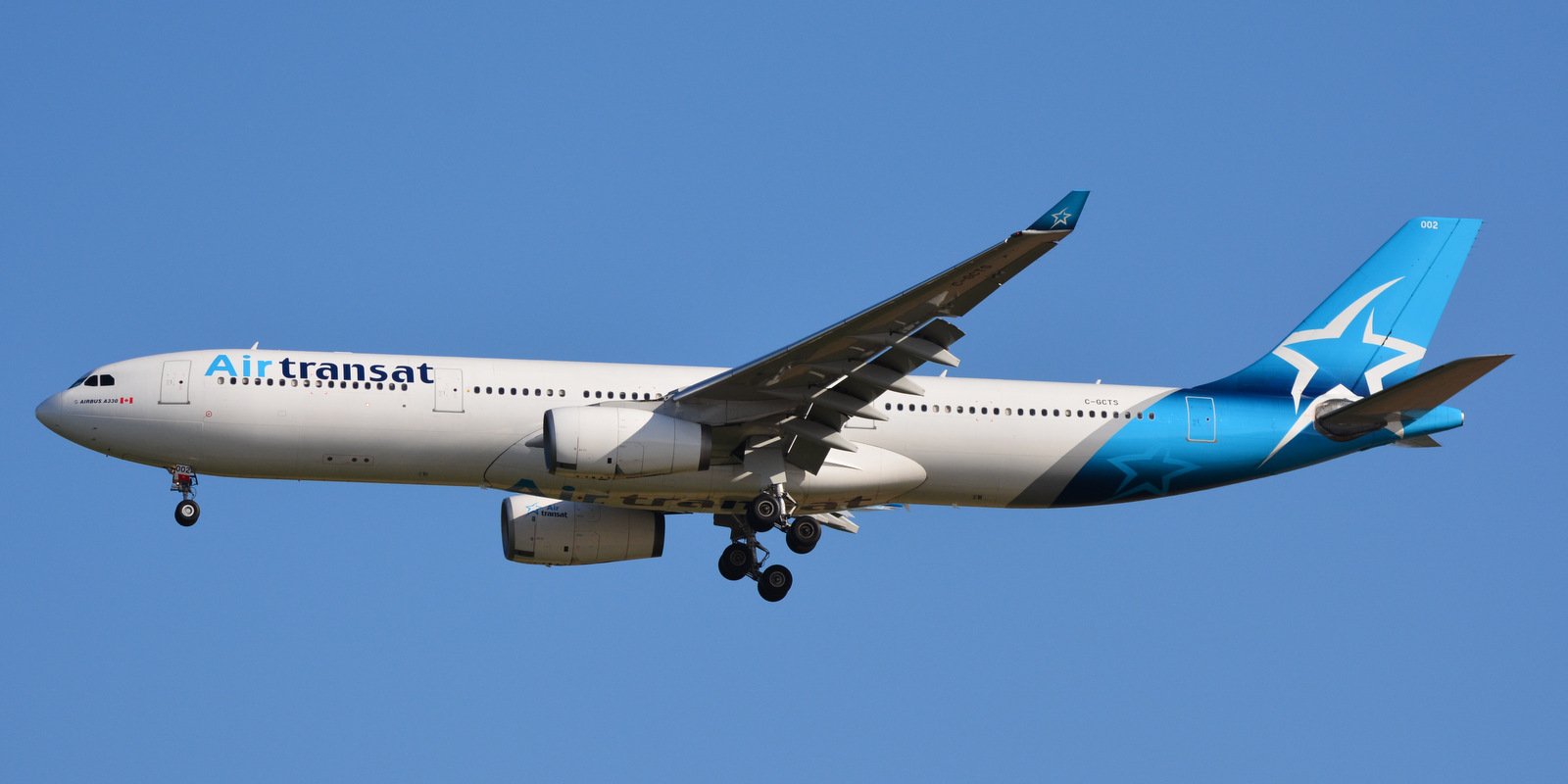
Transat Surcharge Announcement: $50 Fee Introduced Amid Rising Costs
In a significant move to address mounting financial pressures from escalating airline costs, Transat has announced the implementation of a new $50 surcharge on its South package bookings, effective from April 10. This Transat surcharge announcement reflects the airline’s strategic approach to counterbalance the increased pressure from soaring fuel costs and operational expenses that have plagued the aviation industry throughout the past year.
The Montreal-headquartered carrier’s initiative underscores the pivotal decisions airlines must make to maintain financial stability while guaranteeing quality passenger services. This adjustment comes as the travel industry continues to grapple with post-pandemic recovery challenges and unprecedented cost inflation across all operational sectors.
Understanding Transat’s Strategic Pricing Adjustment
As a leading Canadian tour operator specializing in leisure travel to sun destinations, Transat’s decision to introduce the $50 surcharge aligns with broader industry trends, where major travel suppliers are revisiting their pricing frameworks to navigate challenging economic conditions. The surcharge specifically targets South package bookings, which represent a significant portion of Transat’s winter travel offerings to destinations including the Caribbean, Mexico, and Central America.
The timing of this implementation coincides with peak booking season for winter vacations, as Canadian travelers traditionally secure their sun destination packages between April and June. Industry analysts note that this strategic timing allows the airline to communicate pricing changes well in advance of peak travel periods, providing transparency to consumers while ensuring operational sustainability.
Air Transat, the airline component of the Transat group, has already implemented similar measures with a $50 surcharge on outbound flights from Canada and a €25 charge for those commencing from Europe. These modifications reflect ongoing adjustments within the travel industry as companies strive to manage fluctuating resource costs, airport fees, and other operational burdens that have intensified since global travel resumed.
Maintaining Service Quality Amid Cost Pressures
A Transat representative emphasized the necessity of these measures, stating, “This surcharge is crucial in offsetting a part of our increased operational overheads, thus maintaining the high standards our customers expect from their vacation experiences.” The remark highlights the delicate balance between sustaining financial viability and retaining customer satisfaction in an increasingly competitive marketplace.
The airline’s approach involves integrating these surcharges into the taxes and fees displayed during the booking process, ensuring complete transparency while strategically repositioning their pricing structure for future travelers. Importantly, existing bookings made prior to April 10 remain unaffected by this change, protecting customers who have already committed to their vacation plans.
This transparency initiative extends to all booking channels, including online platforms, travel agent partnerships, and direct sales, ensuring consistent communication across all customer touchpoints. The integration into existing fee structures also simplifies the booking experience while clearly itemizing additional costs.
Industry-Wide Reactions and Market Implications
Transat’s move reflects a broader industry trend rather than an isolated business decision. Major competitors including Air Canada Vacations and WestJet Vacations have also implemented $50 surcharges on their sun package bookings. WestJet’s approach extends further, imposing temporary fuel surcharges even on their Rewards Companion Vouchers, demonstrating the comprehensive nature of cost management strategies across the sector.
This pattern of adjustments signals an industry-wide adaptation to volatile economic and operational landscapes. The forthcoming weeks will see similar policies from Sunwing Vacations and Vacances WestJet Québec, with new fees scheduled to take effect from April 14. Such widespread adoption of surcharges underscores the broader challenges facing the airline industry, particularly persistent inflation, unpredictable fuel costs, and increased airport service charges.
Future Outlook for Canadian Travelers
By embracing these pricing modifications, Transat joins a cohort of airlines working to ensure sustainable passenger services despite significant financial challenges. As the travel industry monitors booking patterns and customer response to these surcharges, airlines must remain vigilant in balancing cost recovery with competitive positioning.
Travel industry experts suggest that while these surcharges may initially impact booking volumes, the overall demand for sun destinations remains strong among Canadian travelers seeking escape from harsh winter conditions. The key challenge will be maintaining customer loyalty while implementing necessary cost recovery measures.
The necessity for airlines to incorporate surcharges highlights ongoing socioeconomic challenges within the aviation sector. As Transat and its competitors navigate these turbulent financial waters, the industry’s focus must continue evolving to sustain quality services while adapting to this fluctuating economic landscape.

