

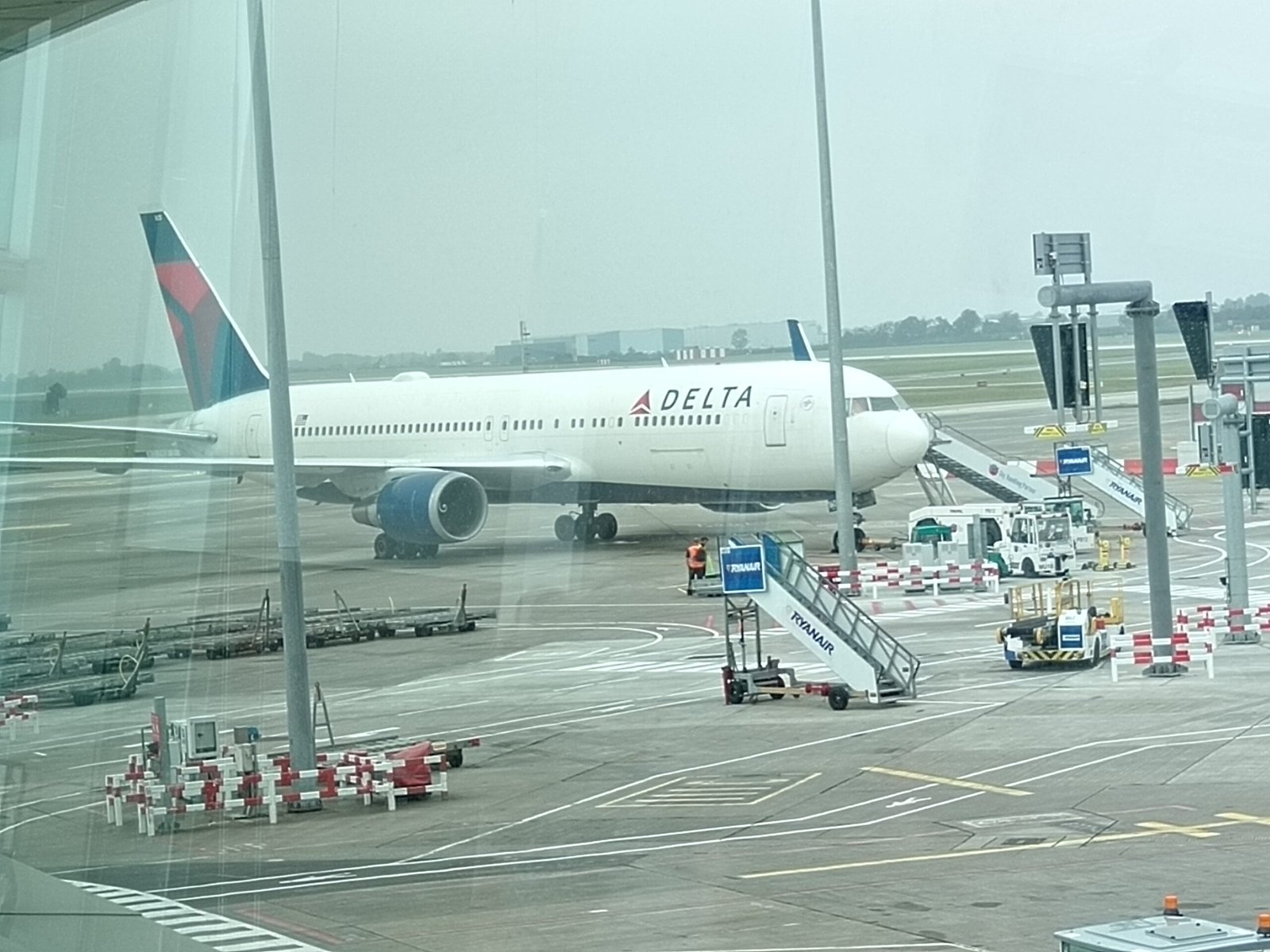
Delta Airlines Baggage Fees Rise Amid Increasing Operational Costs
Delta Air Lines has announced a significant $10 increase in its Delta Airlines baggage fees, reflecting a broader trend among major U.S. carriers including United Airlines and JetBlue to adjust pricing structures amid mounting operational expenses. Effective immediately, Delta Airlines baggage fees are now $45 for the first checked bag and $55 for the second on domestic and short-haul international flights. Previously, these fees were set at $35 and $45, respectively, marking a substantial 28.6% increase for first bags.
The timing of this adjustment comes as airlines face unprecedented pressure from rising fuel costs, labor expenses, and inflationary pressures across all operational sectors. Industry analysts suggest this move positions Delta strategically within the competitive landscape, as passengers have shown relative acceptance of ancillary fee increases compared to base fare hikes.
Impact and Exceptions on Delta Airlines Baggage Fees
This fee adjustment does not apply to long-haul international flights, where costs remain stable due to different competitive dynamics and regulatory considerations. Additionally, Delta SkyMiles Medallion members and passengers flying in premium cabins continue to enjoy complimentary checked bags, a perk that adds significant value to Delta’s loyalty ecosystem.
For frequent travelers, these Delta SkyMiles benefits play an increasingly crucial role in offsetting travel costs. Silver Medallion members receive one free checked bag, while Gold, Platinum, and Diamond members enjoy two complimentary bags. This tiered approach helps maintain customer loyalty while generating revenue from occasional travelers who represent a significant portion of Delta’s passenger base.
Industry-Wide Adjustments and Economic Pressures
Aviation industry experts indicate that rising Delta Airlines baggage fees are primarily driven by escalating operational costs, particularly jet fuel prices which have increased nearly 40% over the past year. Geopolitical tensions and supply chain disruptions have contributed to volatile energy markets, prompting airlines to restructure their revenue models strategically.
Ancillary revenue, encompassing fees from checked baggage, seat selection, and onboard services, has become essential for airlines to maintain profitability without dramatically increasing base fares. This revenue stream now represents approximately 15-20% of total airline revenue industry-wide, compared to just 8% a decade ago.
Market research indicates that while passengers may initially resist fee increases, they typically adapt quickly, especially when base fares remain competitive. This behavioral pattern has encouraged airlines to prioritize ancillary revenue optimization as a sustainable business strategy.
Financial Strategies and Broader Traveler Impact
Strategically, airlines including Delta are leveraging ancillary revenue to offset rising operational expenses while maintaining market-competitive base fares. This approach allows them to attract price-sensitive customers during the booking process while recovering costs through additional services.
The updated Delta Airlines baggage fees structure reflects a sophisticated revenue management strategy that considers customer segmentation, competitive positioning, and operational realities. Business travelers, who often have corporate policies covering baggage fees, are less price-sensitive than leisure travelers, creating opportunities for targeted pricing.
For passengers, this evolution requires more comprehensive travel budget planning. Modern travelers must now consider multiple fee categories including checked bags, carry-on restrictions, seat selection premiums, and onboard service charges. Travel industry consultants recommend passengers calculate total trip costs including all potential fees before making booking decisions.
Future Outlook and Industry Trends
Looking ahead, the upward trajectory in ancillary fees, including Delta Airlines baggage fees, appears likely to continue as the aviation industry navigates ongoing economic uncertainties. Industry forecasts suggest additional fee adjustments across multiple service categories as airlines seek revenue diversification.
Travel experts recommend passengers explore airline credit cards and loyalty programs that offer baggage fee waivers as potential cost-mitigation strategies. These programs often provide immediate value that exceeds annual fees, particularly for travelers who check bags regularly. Understanding these benefits and adapting to the evolving fee landscape will be crucial for maintaining affordable travel in the current market environment.

