

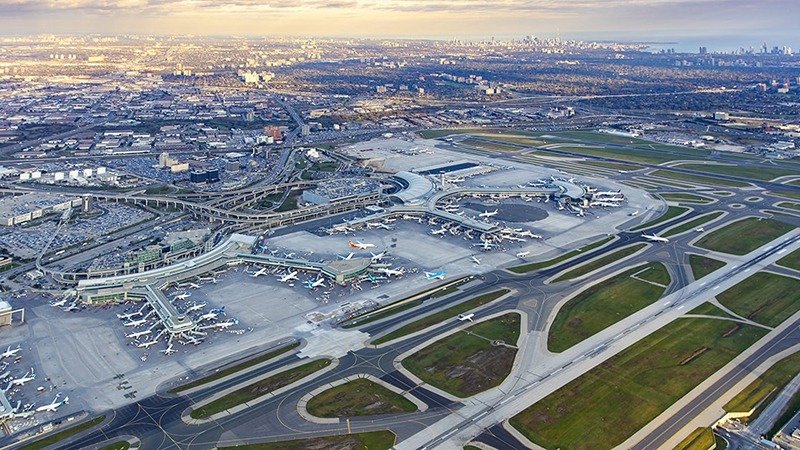
Growing Safety Concerns at Canada’s Busiest Aviation Hub
Toronto Pearson runway safety incidents have reached unprecedented levels, with Canada’s busiest airport reporting a staggering 639 incidents in 2026 alone. The Transportation Safety Board of Canada (TSB) has issued a comprehensive report highlighting the complex operational challenges facing Toronto Pearson International Airport, raising significant concerns within the aviation industry about the escalating frequency of these safety events.
TSB Chairman Yoan Marier emphasized the severity of the situation, noting that while high-risk incursions have remained relatively stable at an average of one per year since 2018, the overall increase in incidents cannot be ignored. “Pearson is a very complex operating environment with many activities happening simultaneously. The layout can be confusing for pilots not familiar with the airport,” Marier explained during the report’s presentation.
Analyzing the Root Causes of Toronto Pearson Runway Safety Issues
The dramatic increase in Toronto Pearson runway safety incidents stems from multiple interconnected factors that have created a perfect storm of operational challenges. The primary contributors include exponentially growing air traffic volumes, critical staffing shortages among air traffic controllers, and the inherent complexity of managing one of North America’s most demanding airport environments.
The airport’s intricate runway configuration and taxiway system present particular challenges for pilots unfamiliar with the facility. With multiple parallel runways and complex ground movement patterns, even experienced aviators can face confusion during busy operational periods. The TSB report specifically identifies these infrastructure complexities as contributing factors to the increased incident rate.
Air Traffic Control Staffing Crisis Compounds Safety Concerns
Nav Canada faces a critical shortage of approximately 200 air traffic controllers nationwide, with training programs requiring between 10 to 27 months to produce qualified personnel. This staffing deficit has been particularly acute at Toronto Pearson, where the demanding operational environment requires experienced controllers capable of managing complex traffic flows.
The International Air Transport Association has criticized the prolonged training timelines and called for expedited solutions to address the controller shortage. Industry experts warn that continued staffing deficits could lead to operational disruptions and potentially compromise safety margins at major Canadian airports.
Former Air Canada pilot Benoit Gauthier stressed the critical importance of clear communication protocols in preventing runway incursions. “Communication is critical,” Gauthier emphasized, highlighting how miscommunications between pilots and air traffic control can escalate into serious safety violations that put aircraft and passengers at risk.
International Context and Preventive Measures
While Canada has avoided severe ground collisions in recent years, international incidents serve as stark reminders of potential consequences. The recent collision at LaGuardia Airport underscores the importance of proactive safety measures and continuous improvement in runway safety protocols.
Aviation authorities are exploring comprehensive solutions including enhanced runway lighting systems, improved signage and markings, and advanced technological implementations to boost situational awareness. These measures aim to provide pilots and ground controllers with better tools for maintaining safe operations during peak traffic periods.
Impact on Travelers and Industry Outlook
The increasing frequency of Toronto Pearson runway safety incidents has implications beyond immediate operational concerns. Travelers may experience delays as airport authorities implement additional safety protocols and procedures. Airlines operating at Pearson are working closely with airport management to ensure crew familiarity with updated safety procedures and ground movement protocols.
Industry stakeholders are investing in advanced ground radar systems and runway monitoring technology to provide real-time awareness of aircraft movements. These technological solutions, combined with improved training programs and enhanced communication protocols, represent a multi-faceted approach to addressing safety challenges.
As Toronto Pearson continues to handle increasing passenger volumes and flight operations, addressing these Toronto Pearson runway safety incidents remains a top priority for Canadian aviation authorities. Chairman Marier’s reminder that “flying remains one of the safest modes of transportation” comes with the caveat that proactive measures are essential, as “it only takes one” incident to have profound consequences for the entire aviation industry.

