

WestJet Encore Labor Negotiations Mark Pivotal Moment for Canadian Aviation
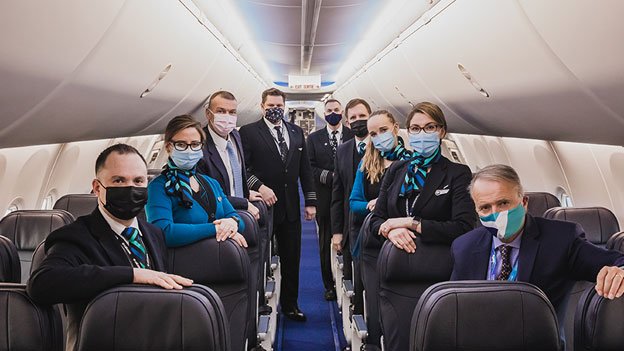
The start of contract talks at WestJet Encore could reshape the future of labor relations within the Canadian airline industry. On Thursday, pivotal WestJet Encore labor negotiations began between the regional carrier and the Canadian Union of Public Employees (CUPE 8125), involving the airline’s cabin crew. This move not only aims to address the immediate needs of WestJet employees but may also establish a significant precedent for future airline labor negotiations across North America.
Under Canadian labor laws, WestJet Encore must collaborate with its cabin crew union to discuss pressing concerns, sparking earnest dialogue over the coming weeks. The union’s primary goals include rectifying compensation deficiencies for pre-flight duties, managing extended delays and the boarding process, and seeking more predictable schedules to enhance work-life balance. Furthermore, CUPE 8125 is pushing for wage adjustments that reflect current inflation trends, ensuring fair compensation across the board.
Core Challenges in WestJet Encore Labor Negotiations
Alia Hussain, President of CUPE 8125, highlighted the significant challenges both WestJet mainline and Encore crew members face. “WestJet mainline flight attendants have been bargaining since September 2025, with challenges such as unpaid work, irregular scheduling, and fair pay at the forefront,” Hussain stated. “Encore’s crew is joining the conversation, advocating for equitable treatment and compensation for all cabin crew across our network.”
The regional airline sector has faced unique pressures in recent years, with crew members often working longer hours for lower compensation compared to their mainline counterparts. Industry experts note that regional carriers like WestJet Encore typically operate on thinner profit margins, making labor cost negotiations particularly complex. These financial constraints have historically resulted in less favorable working conditions for regional cabin crew, a disparity that CUPE 8125 is determined to address.
Broader Industry Context and Timing
The timing of these negotiations coincides with a wave of labor activism across the global aviation industry. Following similar successful negotiations at Air Canada and other major carriers, cabin crew unions are increasingly emboldened to demand better working conditions and compensation packages. The post-pandemic recovery has seen airlines struggling to retain experienced staff while managing increased passenger demand and operational challenges.
Aviation analysts suggest that the outcome of these WestJet Encore labor negotiations could influence similar discussions at other Canadian regional carriers, including Jazz Aviation and PAL Airlines. The ripple effects may extend beyond Canada’s borders, as regional airline labor movements gain momentum across North America.
What This Means for Travelers and Flight Operations
As these discussions advance, passengers should not worry about immediate disruptions. The negotiation process, including potential mediation and strike ballots, is expected to extend into late spring or early summer. This timeline means flight schedules remain unaffected for now, providing travelers with peace of mind during the crucial summer travel season.
Meanwhile, WestJet mainline crew have secured agreements on key administrative issues, including union recognition and probation policies. However, important topics like pay rates, benefits, and working hours remain unresolved, creating a complex negotiating environment that could impact the airline’s operational stability.
Travel industry consultants recommend that passengers booking flights during the negotiation period consider purchasing flexible tickets or travel insurance to protect against potential future disruptions, though no immediate service interruptions are anticipated.
Future Implications for Aviation Labor Standards
These ongoing airline labor discussions may signal transformative changes, not only for WestJet Encore but potentially industry-wide. As global scrutiny of worker rights and compensation intensifies, the outcome of these talks could influence broader industry standards for regional airline operations. The negotiations represent a critical test case for how regional carriers can balance competitive pricing with fair labor practices.
Industry stakeholders are closely monitoring these WestJet Encore labor negotiations as they may establish new benchmarks for regional airline compensation and working conditions. The discussions highlight the ongoing evolution of labor relations in Canada’s aviation sector, where crew retention and passenger service quality remain interconnected priorities.
The initiation of these comprehensive contract talks at WestJet Encore represents a watershed moment in Canadian aviation labor relations, with potential implications extending far beyond the regional carrier itself. As negotiations progress, the industry awaits an outcome that could redefine standards for fairness and equity in regional airline operations.

