

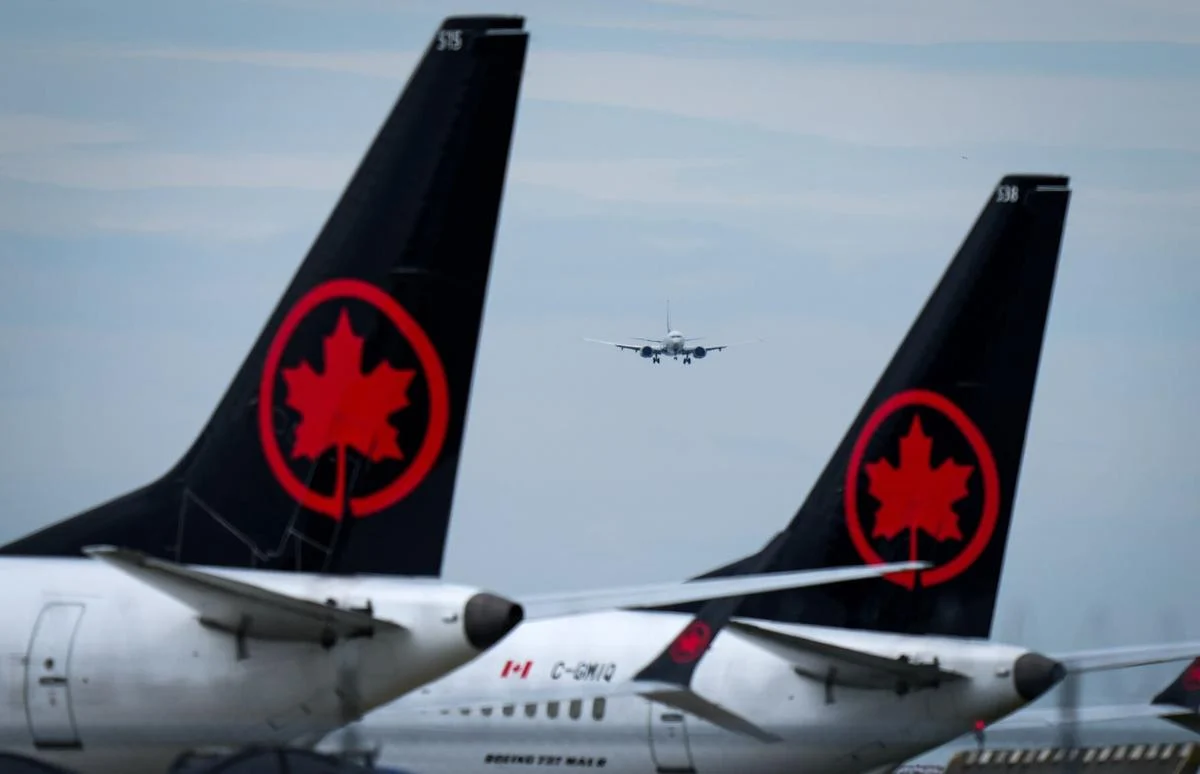
In a significant development within the Canadian travel industry, internal documents have revealed the federal government’s direct influence on the Canadian Transportation Agency’s approach to Canadian airline compensation rules. This intervention aims to relax compensation obligations for airlines following intense lobbying efforts, raising serious concerns about passenger protection standards across the country.
Federal Pressure Transforms Compensation Framework
Newly proposed changes indicate that Canadian airlines might avoid compensating passengers for mechanical issues causing flight disruptions, a dramatic shift from consumer-friendly policies. This adjustment, influenced by intensive industry lobbying and direct ministerial involvement, represents a significant departure from the original reform intentions that prioritized passenger rights.
Briefing notes prepared for former Transport Minister Anita Anand reveal troubling details about how airlines could be shielded from compensation requirements in scenarios previously covered, including technical malfunctions and labor-related disruptions. These documents highlight the growing tension between industry interests and passenger protection in Canadian airline compensation rules.
Weakening Passenger Protection Standards
Documents obtained through the Access to Information Act reveal a November 2024 internal note expressing significant dissatisfaction with reintroduced exemptions, particularly concerning mechanical failures. This communication, directed to agency chairwoman France Pégeot, outlines substantial deviations from previously established government commitments to strengthen passenger rights.
The proposed changes would create significant gaps in protection for Canadian travelers, potentially leaving thousands of passengers without recourse when flights are cancelled or delayed due to airline operational issues. Industry advocates like Gabor Lukacs from Air Passenger Rights warn that these modifications could severely weaken Canada’s passenger protection framework, especially when compared to the more comprehensive rights enjoyed by European travelers.
Industry Lobbying Success and Government Response
The airline industry’s successful lobbying campaign demonstrates the significant influence major carriers wield over regulatory policy. Airlines argued that strict compensation requirements create financial burdens that ultimately impact ticket prices and operational flexibility. However, consumer advocates counter that these protections are essential for maintaining fair treatment of passengers who experience disruptions beyond their control.
Jadrino Huot, spokesman for the Canadian Transportation Agency, confirmed that consultations with the transport minister occur regularly but emphasized that specific discussion details remain confidential. This lack of transparency raises ongoing concerns about the democratic process surrounding changes to airline regulations and their impact on Canadian airline compensation rules.
Legislative Delays Create Uncertainty
Reform efforts began as early as 2019 with ambitious plans to clarify compensation eligibility for standard technical disruptions and strengthen passenger protections. However, successive drafts have become increasingly diluted, with the November 2023 consultation paper representing a significant retreat from original reform objectives.
This legislative stagnation creates considerable uncertainty for both travelers and airlines. Passengers remain unclear about their rights, while airlines continue operating under ambiguous regulations that vary in interpretation and enforcement. The ongoing delays have effectively frozen meaningful progress on passenger rights enhancement.
Travel industry experts note that this uncertainty particularly affects business travelers and families planning important trips, as they cannot reliably predict their compensation rights in case of disruptions. The lack of clear, enforceable standards also makes it difficult for consumers to make informed choices between carriers.
Future Implications for Canadian Travelers
The pending implementation of these regulatory changes leaves Canadian travelers facing an uncertain future regarding their rights and protections. Consumer advocates emphasize that millions of Canadians travel domestically and internationally each year, making robust passenger rights essential for fair treatment and consumer confidence.
As these complex regulatory negotiations continue, the balance between industry profitability and passenger protection remains a critical issue. The ultimate resolution of Canadian airline compensation rules will significantly impact how airlines operate and how passengers experience air travel across the country, making this development crucial for the entire Canadian aviation sector.

